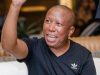
The intersection of global politics and sports has reached a boiling point as EFF leader Julius Malema calls for a total South African boycott of the 2026 FIFA World Cup. The demand comes in response to a controversial United States policy set to suspend immigrant visas for 75 nations—a move Malema describes as a targeted strike against African dignity.
The Catalyst: The “75-Country” Visa Suspension
The tension stems from a U.S. State Department announcement effective January 21, 2026, which pauses visa processing for citizens of 75 countries.
- The U.S. Stance: Officials claim the move is a procedural reassessment to prevent the entry of individuals who might rely on public welfare.
- The African Impact: While South Africa itself is not on the list, the suspension hits several qualified football powerhouses, including Nigeria, Morocco, Ghana, Senegal, and Egypt.
Malema’s Call to Action
Speaking with his trademark defiance, Malema urged the South African Football Association (SAFA) to show continental solidarity by withdrawing from the tournament co-hosted by the U.S., Canada, and Mexico.
“Bafana Bafana must officially withdraw… We cannot sit back and allow a person to destabilize the world and it becomes business as usual,” Malema stated.
He argued that Africa should refuse to participate in a global event where its citizens and players face discriminatory entry barriers, calling for a broader boycott of U.S. interests until fairness is restored.
A Continent Divided
The call has sparked a massive debate across the footballing world:
- The Solidarity Argument: Proponents believe African nations should stand together to protest policies that treat the continent as a second-class entity.
- The Sporting Reality: Critics argue that Bafana Bafana players—who have worked years to qualify—should not be used as political pawns, especially when South African citizens are not directly affected by the ban.
As the 2026 World Cup approaches, the pressure is now on SAFA and the African Union to decide if the beautiful game can remain neutral in the face of shifting geopolitical tides.