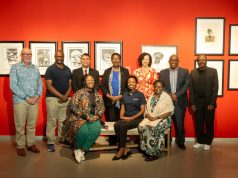






What happens when we read a newspaper printed 140 years ago? At a recent workshop hosted by the University of Cape Town (UCT), scholars and media practitioners proved that Imvo Zabantsundu (founded in 1884 by John Tengo JaHow South Africa’s First Black-Owned Newspaper is Shaping the Future of AI and Identitybavu) isn’t just a historical relic—it’s a blueprint for the future of African media.
More Than News: A Living Archive
The “Revisiting and Reimagining Imvo Zabantsundu” workshop, funded by the African Critical Inquiry Programme (ACIP), moved beyond dry academic analysis. Participants engaged in “collective reading,” bringing the 19th-century text to life through:
- Film and Audio-Visual Storytelling: Moving the archive from paper to screen.
- Linguistic Preservation: Using the paper’s rich isiXhosa prose to counter “historicide” and “linguicide.”
- Community Journalism: Remembering a time when media was rooted in the everyday lives of rural and urban people alike.
The AI Connection: Why 1884 Matters in 2026
One of the most provocative insights came from media entrepreneur Dunisani Ntsanwisi. In an era dominated by Artificial Intelligence, Big Tech is hungry for data to train language models.
“The material in indigenous languages is limited,” Ntsanwisi noted.
By digitizing and transcribing Imvo Zabantsundu, researchers are creating a vital reservoir of indigenous linguistic data, ensuring that African languages remain “visible and active” in the digital systems of tomorrow.
What’s Next?
The project is moving toward a major collaborative book (expected 2027/2028) and an expanded digital archive. Through the Five Hundred Year Archive (FYI), teams are working to make microfilm and fragmented records searchable, transforming how we teach and learn African history.