







As South Africa marks the historic 50th anniversary of the June 16, 1976 Soweto Uprising, university campuses across the country are reflecting on a profound truth: systemic change rarely happens without the fire of youth.
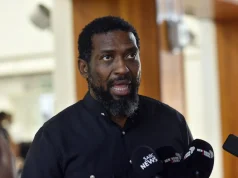
According to Professor Elelwani Ramugondo, UCT’s Deputy Vice-Chancellor for People, Culture, and Society, the evolution of the University of Cape Town has always been inextricably linked to student resistance. Rather than viewing protests as disruptions to be suppressed, Ramugondo argues that modern academic leadership must recognize them as the ultimate drivers of the transformation agenda.
From the historic 1968 Archie Mafeje sit-in against apartheid restrictions to the modern-day battlefields of #RhodesMustFall, #FeesMustFall, and #Shackville, student voices have consistently forced institutions to look in the mirror.
The Power of the Mass Meeting
A central thread running from 1976 through the anti-apartheid mobilizations of the 1980s to today’s campus movements is the enduring weight of the student mass meeting.
Professor Ramugondo highlights that these gatherings are far more than just logistical planning sessions; they are spaces of collective conviction. They reaffirm to young people that the institutional risks and personal sacrifices they take are entirely justified by the scale of the issues they face—whether that is financial exclusion or a colonial curriculum.
Combating the Distortion of History
One of the greatest dangers facing the legacy of youth movements is the watering down or distortion of their true intent over time.
“In 1976, young people were calling for the dismantling of Bantu education,” Ramugondo notes. “Given how history is written, you have distortions about that moment. When you read about events like #RhodesMustFall in formal texts today, it is difficult to find the same degree of clarity. It is often lazily collapsed into #FeesMustFall. But with both, the students were explicitly clear about what needed to fall.”
For leadership, the mandate is simple but difficult: listen to the acute nature of the issue and actively plan to dismantle the triggers of student discontent before they explode.
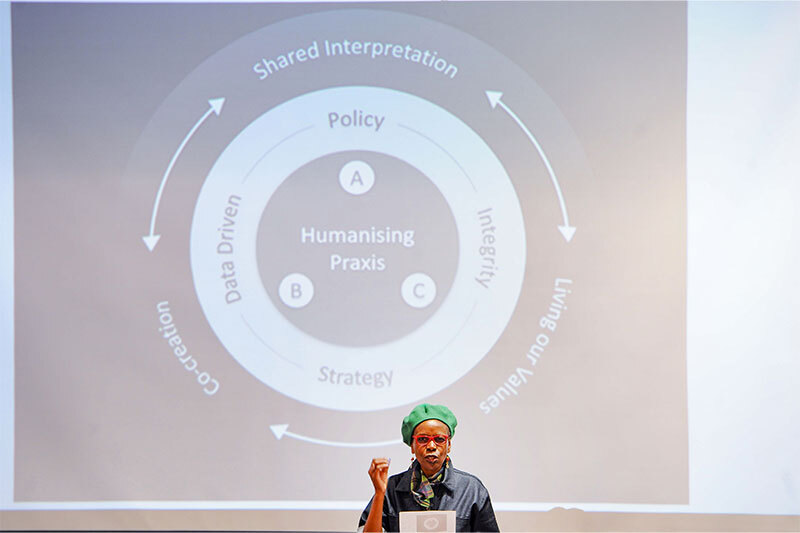
Transformation as a “Humanising Praxis”
At its core, true transformation within higher education cannot just be a paper exercise of quotas or policy documents. Ramugondo asserts that it must be a humanizing praxis—a continuous, active process of learning how to affirm each other’s basic humanity after centuries of colonization and apartheid.
Redress cannot happen in an ivory tower isolated from the community. True transformation occurs where decisions are made, and those decisions must always be premised on the dignity of the people. It is a continuous national conversation that South African universities must brace themselves to lead.