




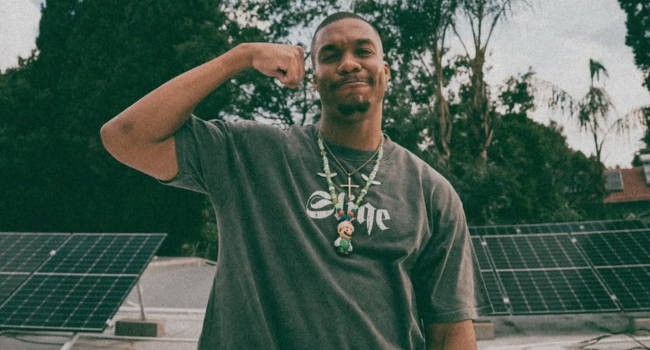
DJ Sliqe has reflected on the changing relationship between South African hip-hop and the international rap scene, explaining why an overseas co-sign once carried enormous weight for artists trying to break beyond the country’s borders.
The prominent South African DJ and producer discussed how the rise of social media and digital platforms has changed the way local artists can connect with audiences around the world.
According to Sliqe, international recognition was particularly valuable during an era when South African artists had far fewer direct avenues to reach listeners outside the country.
DJ Sliqe on the Power of an International Co-Sign
Looking back, Sliqe explained that getting the backing of an established international hip-hop figure could significantly raise an artist’s profile.
“That co-sign meant everything,” he said.
Before social media became a powerful global promotional tool, artists could not simply post their music online and instantly reach millions of listeners across different countries. Access to international audiences was far more difficult and often depended on established industry connections.
Sliqe believes that an international artist or influential figure recognising your work could effectively provide a gateway to a much larger audience.
“Someone with rich credibility and an established audience on the other side of the world had to choose you,” he explained.
Has the Game Changed?
The comments come at a time when artists have more control over how they distribute and promote their music. Platforms such as social media, streaming services and short-form video have made it possible for musicians to build audiences internationally without necessarily waiting for recognition from established figures abroad.
That shift has also changed the meaning of an international co-sign.
For Sliqe, the significance of those endorsements needs to be understood within the context of how difficult it once was for South African artists to gain visibility beyond the local market.
His comments highlight the broader evolution of SA hip-hop — from a scene that often relied on established international figures for global visibility to an era where artists can increasingly create their own pathways to international audiences.
The question of whether international co-signs still carry the same weight today remains open, but Sliqe’s reflections offer insight into just how influential they were for an earlier generation of South African hip-hop artists.