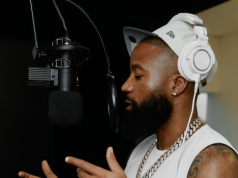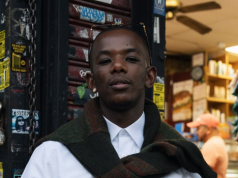









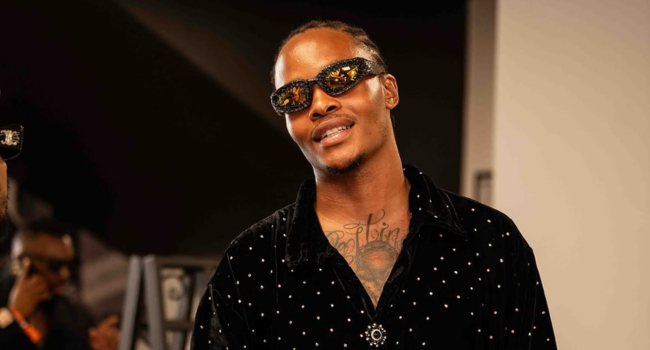
Who deserves the title of South African hip-hop’s greatest of all time? It is a question that continues to divide rap fans, and a recent discussion on Culture Chops has brought the debate back into the spotlight, with supporters weighing the legacies of the late Riky Rick and Nasty C.
The conversation gained traction after Culture Chops shared a video featuring hosts ShabZiMadallion, mswenkofranko and UNCSCORNERLIVE debating which of the two artists deserves a higher position in the South African hip-hop hierarchy.
While the discussion may have started as an ordinary studio conversation, it quickly found its way onto social media, attracting thousands of views and reigniting passionate arguments about what truly defines greatness in hip-hop.
On one side are those making the case for Riky Rick, pointing to his cultural influence, fashion identity and contribution to shaping the South African music industry. On the other are Nasty C supporters, who believe his lyrical ability, impressive catalogue and international achievements give him the stronger claim.
Riky Rick: A cultural icon whose influence went beyond music
Born Rikhado Makhado, Riky Rick was one of the most influential personalities in South African hip-hop. Before his passing in February 2022, he had established himself as an artist whose impact extended well beyond the recording studio.
With standout releases such as “Boss Zonke” and his acclaimed Family Values album, Riky developed a distinctive musical identity that blended hip-hop, fashion and cultural expression.
His influence was equally visible in the business and creative spaces. Through Cotton Club Records and Cotton Fest, he helped create opportunities for emerging talent while bringing together musicians, designers, fashion enthusiasts and other creative communities.
For supporters who rank him among the greatest, his legacy cannot be measured by hit records or lyrical performances alone. They argue that his ability to shape trends, inspire younger artists and build platforms for the next generation makes him a strong contender for the GOAT title.
Nasty C: Catalogue, consistency and international recognition
Meanwhile, Nasty C’s supporters believe his musical achievements make an equally compelling argument.
Born Nsikayesizwe David Junior Ngcobo, the Durban-born rapper has built an impressive career through versatility, technical ability and consistency. His catalogue includes acclaimed projects such as Bad Hair, Strings and Bling and Zulu Man With Some Power, alongside his independent album Free.
His international collaborations, industry recognition and continued evolution have helped establish him as one of South Africa’s most successful hip-hop exports.
Adding to his achievements, Free earned him the Best Hip Hop Album award at the 2026 South African Music Awards, further strengthening his position in the local rap conversation.
For his supporters, Nasty C’s songwriting, lyrical versatility, catalogue depth and ability to compete on an international level put him ahead of many of his contemporaries.
What really defines a GOAT in South African hip-hop?
The reactions to the Culture Chops discussion reveal a bigger question about how greatness should be measured.
For some listeners, the answer lies in technical ability, hit records, lyrical performance and the strength of an artist’s discography. Others believe cultural influence, originality, leadership and the ability to create opportunities for others deserve just as much recognition.
This is where the Riky Rick versus Nasty C debate becomes particularly interesting.
Riky Rick’s contribution was never limited to music. His influence helped shape fashion, youth culture and the creative infrastructure surrounding South African hip-hop. Nasty C, on the other hand, represents a different measure of success, with a growing catalogue, international recognition and continued musical achievements.
There is also an important distinction between celebrating the legacy of an artist whose career was cut short and evaluating an artist who is still actively building his musical journey.
Ultimately, choosing between the two depends on what fans value most when defining greatness.
Was Riky Rick’s cultural influence enough to place him above Nasty C, or does Nasty C’s musical catalogue and continued success give him the stronger GOAT argument?
The Culture Chops conversation has once again shown that South African hip-hop fans have very different definitions of greatness.
And one thing is certain: the GOAT debate is nowhere near over.