








The financial stability of some of South Africa’s leading universities is under growing pressure as unpaid student fees climb to more than R5 billion, with ongoing problems at the National Student Financial Aid Scheme (NSFAS) adding to the strain.
According to the institutions’ 2025 annual reports, mounting student debt, delayed funding and changes to financial aid eligibility are creating serious challenges for universities and the students who depend on them.
The figures highlight a growing crisis that threatens university finances, student accommodation and access to higher education.
Five universities carry more than R5 billion in student debt
The annual reports of North-West University (NWU), the University of Cape Town (UCT), the University of Johannesburg (UJ), the University of Pretoria (UP) and the University of South Africa (Unisa) all identified student debt and NSFAS-related funding problems as major concerns.
Together, the five institutions reported R5.08 billion in gross student fee debt in 2025. This represents the total nominal amount owed by current and former students before provisions for debt that may never be recovered.
Unisa carries the largest student debt burden, with gross outstanding fees reaching R1.40 billion.
The institution set aside R781.7 million to cover expected losses on this debt, equivalent to a loss provision of 55.7%.
It also faces significant exposure to NSFAS itself, with R1.28 billion in gross amounts owed by the scheme. Unisa has made a further R1.13 billion provision against potential losses on this exposure.
These figures illustrate how universities are increasingly exposed not only to unpaid student fees but also to uncertainty surrounding government-funded financial aid.
Universities point to NSFAS mismanagement
Several institutions have linked their growing financial pressures to problems with NSFAS, including delayed payments, funding uncertainty and the way financial aid decisions are implemented.
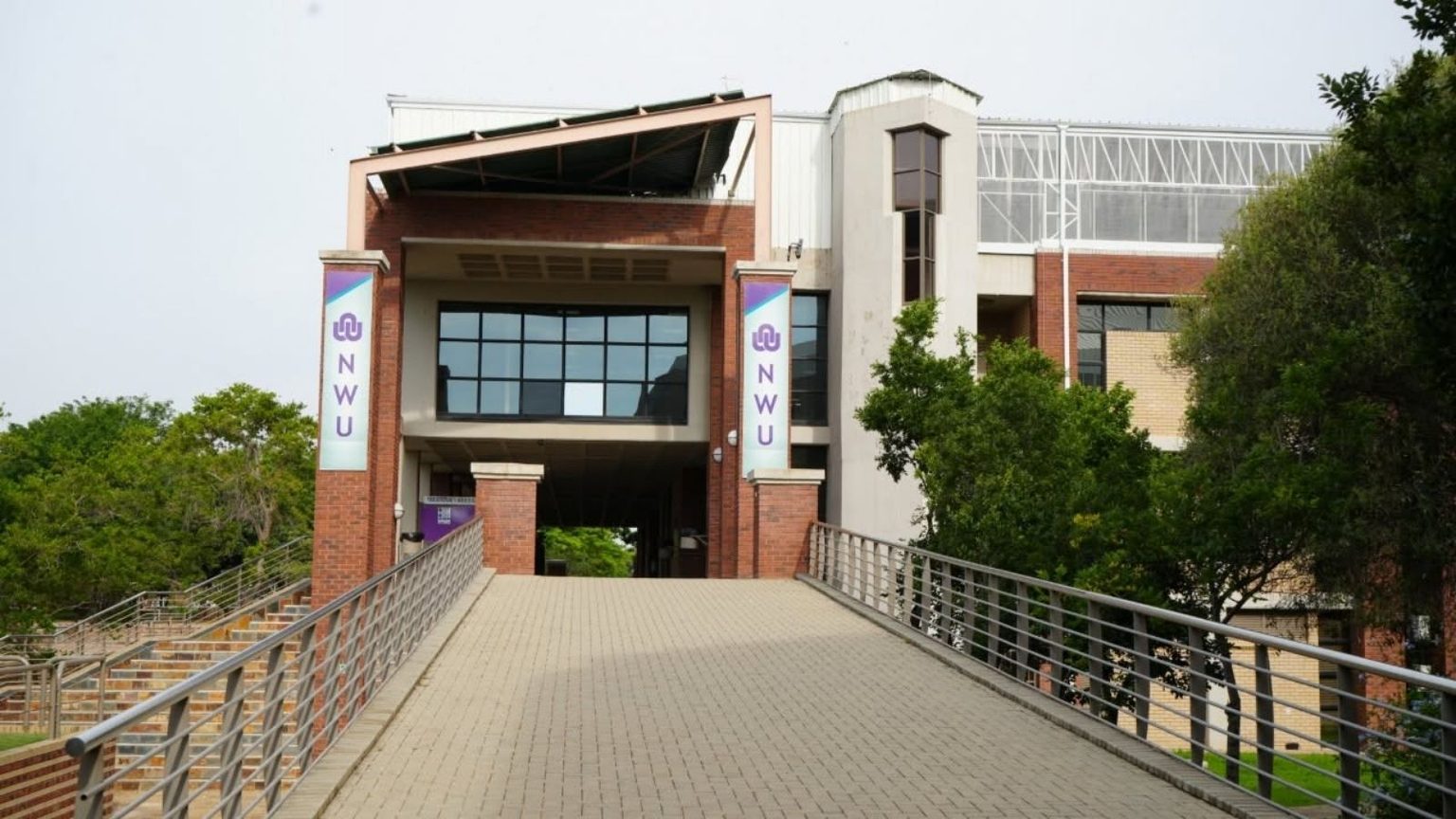
NWU was particularly critical of the scheme, describing it as “poorly designed and ineffectively implemented”.
The university also warned that free higher education through NSFAS is not financially sustainable in its current form, arguing that the long-term financial burden ultimately falls on society.
During its 2025 financial year, NWU had to deal with funding volatility, delays in registration clearance, R45.8 million in write-offs and growing NSFAS receivables amounting to R299.9 million.
The university’s concerns reflect a wider challenge: institutions must continue providing education and services even when expected funding is delayed or uncertain.
The NSFAS N+1 rule leaves students financially exposed
One of the most controversial issues raised by universities is NSFAS’s N+1 funding rule.
Under this arrangement, eligible students receive financial support for the minimum time required to complete their qualification, known as N, plus one additional year to accommodate academic delays or repeated modules.
Once students exceed this period, their NSFAS funding can be withdrawn, leaving them responsible for their remaining tuition and other costs.
Universities criticised the way the rule is enforced, particularly when funding is withdrawn halfway through the academic year.
Students may already have registered, attended classes and secured accommodation before discovering that their financial support has been discontinued.
Their outstanding tuition and accommodation costs are then transferred to self-funded student debt, creating additional pressure for both the students and the universities.
UJ faces growing debt after NSFAS defunding
The University of Johannesburg reported that students defunded under the N+1 rule resulted in R14.7 million in student aid being reclassified as self-funded debt.
UJ’s total outstanding student debt subsequently reached R1.21 billion in 2025.
The university warned that recovering money from students who lose their funding midway through the academic year is virtually impossible.
To limit the impact, UJ redirected R20 million from unused internal bursaries to assist defunded students who were close to completing their qualifications.
The university also stepped in to help students facing accommodation difficulties. Its private off-campus accommodation unit mediated on behalf of 401 defunded students who were at risk of eviction by private landlords.
The situation demonstrates how changes to financial aid can extend beyond tuition fees, potentially putting students’ housing and ability to complete their studies at risk.
UCT warns of a R110 million accommodation funding gap
Accommodation funding is another major source of tension between universities and NSFAS.
The scheme sets annual accommodation allowance limits based on factors such as whether an institution is located in a metropolitan or non-metropolitan area and whether accommodation is catered or non-catered.
UCT said these funding limits created an “insurmountable” accommodation shortfall of R110 million, affecting 3,200 students living in university residences.
The university also linked the accommodation funding problems to protests at the beginning of the 2025 academic year.
UCT’s gross student debt reached R1.01 billion in 2025, while its provision for expected losses stood at R617.9 million.
The University of Pretoria was also facing substantial pressure, reporting gross student debt of R940.5 million and a provision of R421.9 million for expected losses.
A growing threat to higher education
The figures from these five universities point to a financial challenge that goes beyond unpaid fees.
When NSFAS funding is delayed, withdrawn or insufficient, universities are left managing unpaid accounts while students face the possibility of losing financial support, accommodation and even the opportunity to complete their qualifications.
The R5.08 billion in combined gross student debt highlights the scale of the problem.
Without more predictable funding arrangements and effective financial aid administration, universities could face further pressure on their budgets, while students may bear the consequences of a system they have little control over.
Can South Africa’s higher education system remain financially sustainable without urgent reforms to NSFAS and student funding?