






By Jimmy Zwane | 29 August 2025 | Lifestyle
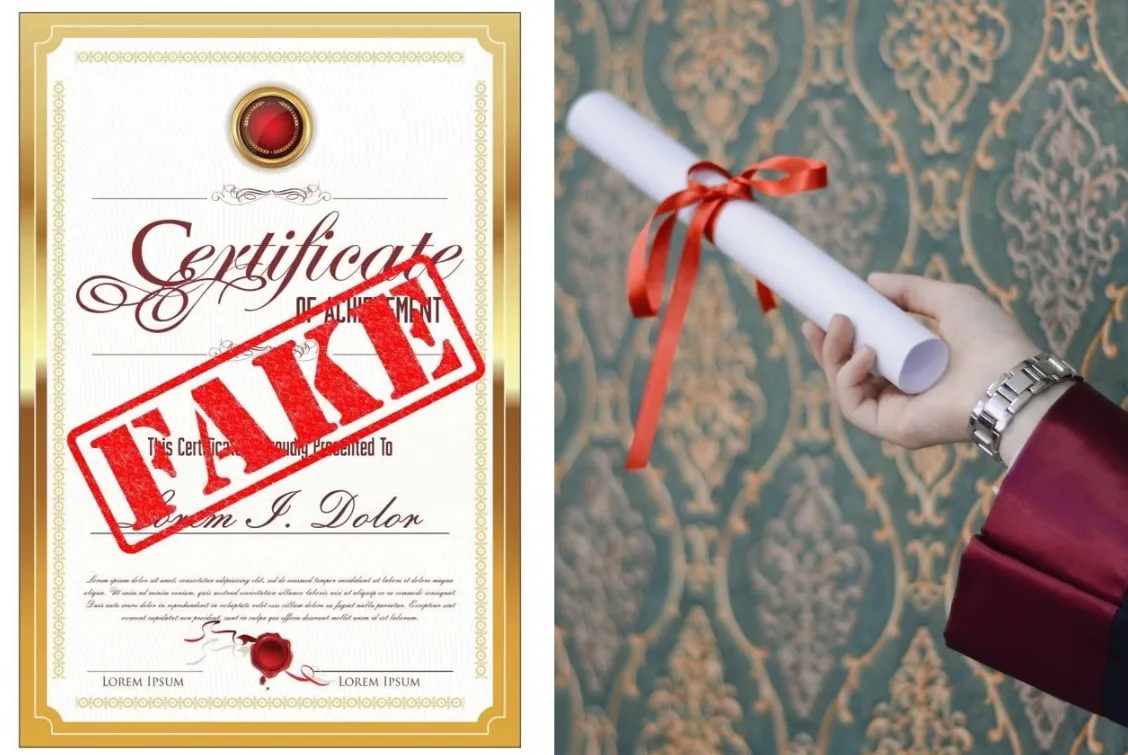
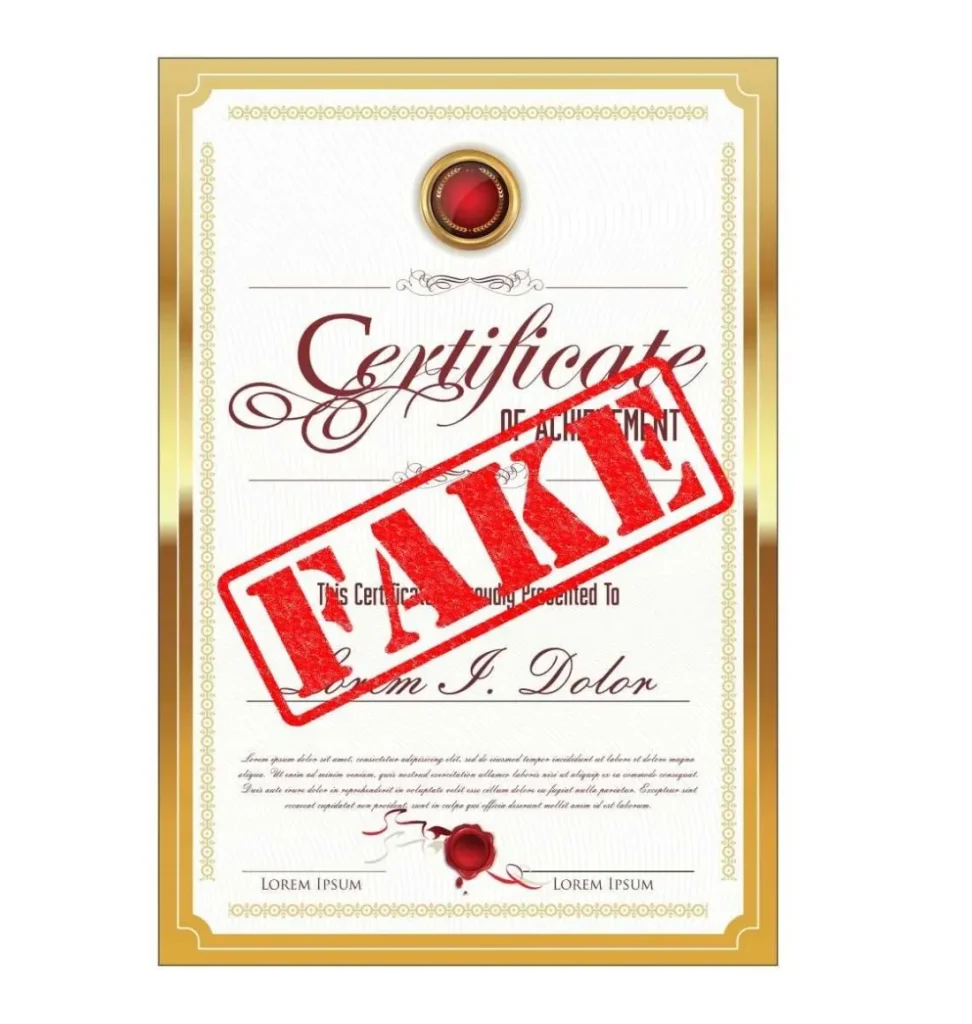
The rise in fake qualifications in South Africa is becoming a serious issue, with increasing consequences for both employers and students. According to reports from BusinessTech, Umalusi—the council responsible for quality assurance in general and further education—is warning the public about the growing number of fraudulent academic credentials being circulated.
While some may exaggerate achievements in job interviews, Umalusi highlights a far more troubling trend: forged qualifications from unaccredited institutions and individuals deliberately purchasing fake certificates in hopes of securing employment.
The Rise of Bogus Institutions
Umalusi recently raised concerns about the growing number of illegal private colleges and learning centres operating in the country. These fake institutions lure students with false promises, issue certificates that appear legitimate, and even go as far as copying official Umalusi branding on fake accreditation letters.
This not only compromises the integrity of the education system but also places employers in a vulnerable position when hiring candidates based on fraudulent qualifications.
How Employers Can Verify Credentials
To counter this, Umalusi and the South African Qualifications Authority (SAQA) have recommended using the National Learners’ Records Database (NLRD) to confirm whether a qualification is legitimate. The database keeps track of all officially recognised qualifications issued in South Africa.
Employers should also ensure that qualifications come from institutions affiliated with recognised examining bodies, such as:
-
Department of Basic Education (DBE) for the National Senior Certificate,
-
Independent Examinations Board (IEB),
-
Or South African Comprehensive Assessment Institute (SACAI).
If an institution is not linked to any of the above, the legitimacy of the qualification should be questioned. Verifications can be done directly via the Umalusi website.
Law Enforcement Cracks Down
The South African Police Service (SAPS) is actively pursuing those behind these fraudulent operations. In December 2023, 11 individuals were arrested in connection with fake qualifications, including a Department of Higher Education employee accused of issuing fraudulent diplomas.
Students Also Being Deceived
It’s not just employers who are affected. Many students unknowingly enrol at these unregistered institutions, only to receive worthless certificates. Some even complete fake exams created using old question papers found online, believing they are part of a real qualification process.
By the time they apply for jobs or further study, it’s too late.
Moving Forward
Fake qualifications damage the credibility of South Africa’s education system and the integrity of its workforce. Employers must implement strict verification processes, and students should research institutions thoroughly before enrolling.
What are your thoughts on the rise of fake qualifications in South Africa? Share your views in the comments below and follow us @GautengN on X and SA Varsity News on Facebook for the latest developments and updates.