







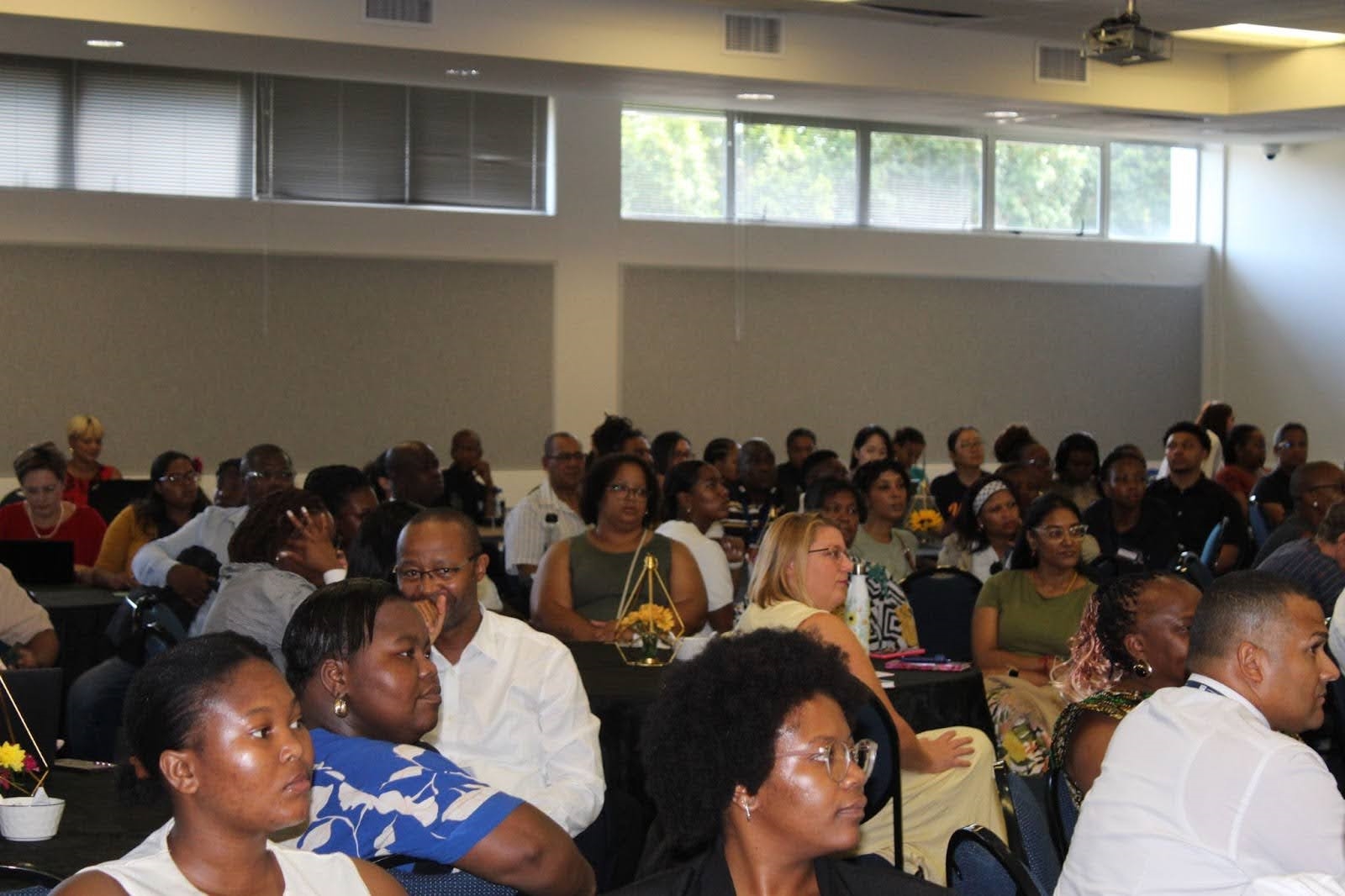
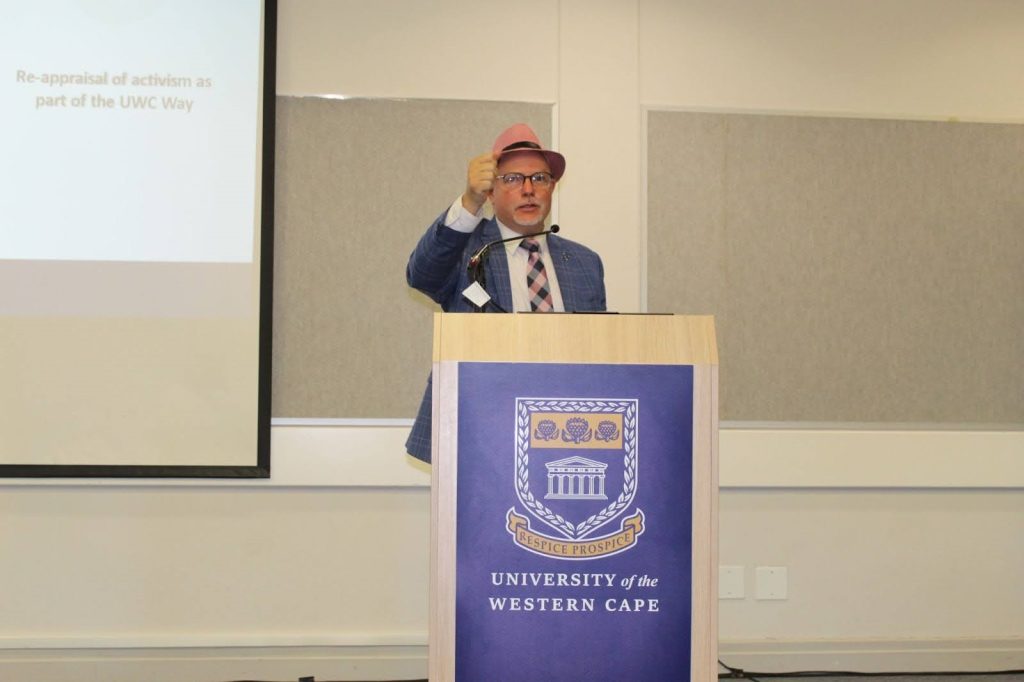
The University of the Western Cape (UWC) has signaled a major shift in its institutional strategy, placing staff development and human connection at the heart of its future. At the university’s annual General Staff Orientation, Rector and Vice-Chancellor Prof Robert Balfour welcomed 150 new employees, framing their roles as essential to the university’s mission.

The Map for the Future: The New IOP
The orientation served as the formal introduction to UWC’s newly approved Institutional Operating Plan (IOP). This document acts as a five-year roadmap for the university, but Prof Balfour was clear that a map is useless without the people to navigate it. He challenged staff to take ownership of four critical questions:
- Who are we?
- What do we do?
- Where are we heading?
- What do we need to get there?
Breaking the “Email Culture”
In a world dominated by digital communication, Prof Balfour issued a surprising call to action: human interaction. He urged staff to “pick up the phone” and “go have the conversation,” arguing that the university’s most complex challenges are solved through direct engagement rather than endless email threads.
Success Stories: From Intern to Permanent Staff
The university’s commitment to internal growth isn’t just theory—it’s visible in its career pipelines.
- Elethu Mpoki, a former student and intern, was celebrated as a prime example of UWC’s “grow-your-own” philosophy, having transitioned into a permanent role.
- Rodrique George, a lecturer with 17 years of service, highlighted the institution’s “people-centered ethos” and critical thinking environment as the reason for his long-term loyalty.
A Sustainable Leadership Pipeline
Executive Director of Human Resources, Meko Magida, outlined a robust support structure designed to keep staff at UWC for the long haul. This includes:
- Structured Training: Career management and technical skills development.
- Mentorship Frameworks: Specialized coaching for senior and management-level staff.
- Community Impact: Ensuring that every staff member understands how their role contributes to the underserved communities UWC represents.