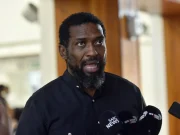







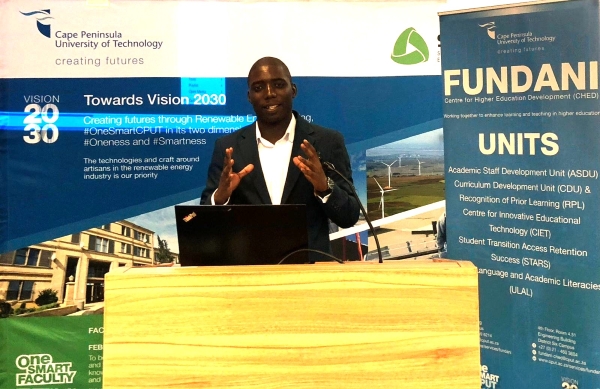
Language is not merely a tool for communication; it is the “architectural” foundation of human identity. This was the central message delivered by Dr. Bonke Xakatha, from the University of the Western Cape’s (UWC) Department of African Language Studies, during a moving keynote address at the Cape Peninsula University of Technology (CPUT).
Commemorating International Mother Language Day, Dr. Xakatha’s reflections serve as a stirring reminder that when a language is silenced, a library of human experience is lost forever.
The Intellectual Power of the Mother Tongue
Dr. Xakatha challenged the notion that advocating for indigenous languages is an exercise in nostalgia. Instead, he framed it as a necessity for intellectual freedom and social justice.
Drawing on the insights of renowned scholars, he highlighted several key pillars for why the mother tongue must lead in education:
- The Bridge to Learning: Citing UNESCO and Jim Cummins, Dr. Xakatha noted that children learn best in their first language. Conceptual knowledge gained in a mother tongue acts as a “bridge” to mastering global languages, rather than a barrier.
- Cultural Architecture: Referencing Ngũgĩ wa Thiong’o, he described language as the carrier of culture and values. It is the first “intellectual world” a child inhabits.
- Symbolic Capital: Using the lens of sociologist Pierre Bourdieu, he addressed how colonial systems marginalized African languages, relegating them to the private sphere while elevating European languages as the sole tongues of “science and governance.”
“To say that my mother tongue matters is not to romanticise the past; it is to affirm a people’s right to exist fully in knowledge, governance, and scholarship.” — Dr. Bonke Xakatha
Multilingualism: A Global Strength
A recurring theme in Dr. Xakatha’s address was that embracing African languages does not mean rejecting the global world. He argued that multilingualism is a strength, not a threat, allowing Africans to “engage the world without erasing ourselves.”
For UWC, this philosophy is embedded in their institutional DNA. The university’s multilingual language policy views linguistic diversity as a vital tool for inclusion and academic excellence.
“My Mother Tongue Matters”: A Poem of Existence
The highlight of the celebration was Dr. Xakatha’s recitation of an original poem, “My Mother Tongue Matters.” The performance moved the audience by connecting the technicality of linguistics to the heartbeat of heritage.
Key excerpts from the poem include:
- On Identity: “It is memory. It is identity. It is history breathing through syllables.”
- On Education: “When children learn in their mother tongue, they do not struggle to think, they flourish. They do not translate ideas, they create them.”
- On Existence: “When I speak my mother tongue proudly, I am saying to the world: I exist, ndikhona!”
The Call to Action: Beyond the Village
Dr. Xakatha concluded with a firm mandate for the future of higher education. He insisted that African languages must move beyond “cultural celebration” and into the realms of research, technology, and literature.
The Path Forward:
- Write and Publish: We must produce scholarship in African languages.
- Epistemic Disobedience: Challenging colonial hierarchies by theorizing in indigenous tongues.
- Teaching Without Shame: Encouraging the next generation to dream and lead in their own languages.