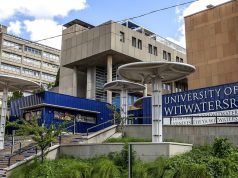










The recent public focus on student unrest in South Africa—sparked by delayed financial aid and housing crises—masks a deeper, more devastating reality. According to Pikolomzi Qaba, the true catastrophe unfolding is the erosion of South Africa’s universities, which are bearing the hidden and crippling costs of a broken national system.

Universities: Creditors and Crisis Managers
As the state retreats from its responsibility for student welfare, universities are being forced into untenable roles. Linda du Plessis of North-West University highlighted a consequence often missed in media reports: the financial chaos shifts the burden of systemic dysfunction directly onto the institutions. They become unwilling creditors, crisis managers, and ultimately, scapegoats for failures outside their control.
The Brutal Financial Reality
The financial strain is immense and quantifiable:
- Massive Shortfall: In August 2025, the National Student Financial Aid Scheme (NSFAS) disclosed a staggering R10.6 billion (£480 million) budget shortfall for the country’s universities.
- Overwhelmed System: This crisis was driven by an 18% surge in applications, reaching 1.4 million students, which overwhelmed the initial R50.8 billion allocation.
- Student Exclusion: Compounding the problem, nearly 13,000 students were denied funding due to technical application timing errors.

Crisis Management and Band-Aids
The operational fallout is immediate and severe. Landlords have gone unpaid for over a year, with debts for student accommodation spanning multiple semesters. Universities are caught between impossible choices: block registrations, which inevitably triggers violent protests, or absorb unsustainable costs, risking financial insolvency.
In September, the government offered what was officially termed “relief”: a R13.3 billion emergency injection, sourced from loan recoveries and unspent institutional funds. However, experts view this as a “band-aid on a gaping wound.” While temporary, the funding injection failed to address the foundational structural flaws within the NSFAS. Students continue to receive only partial allowances, leaving them unable to cover basic necessities like rent, food, and books for entire semesters, ensuring the cycle of chaos and institutional strain persists.