









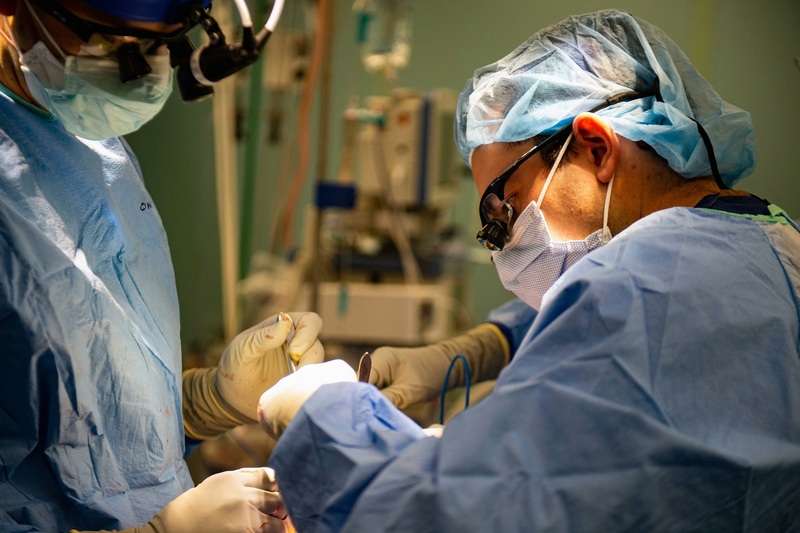
While geographical proximity to healthcare facilities in Cape Town’s peri-urban areas has improved, it has not guaranteed timely or optimal access to surgical care. A groundbreaking new study from the University of Cape Town (UCT) reveals that one in three residents still struggles to access high-quality surgical services, despite living close to medical facilities.
Published in the South African Medical Journal, the study—”Community experiences of surgery in peri-urban Cape Town”—is the first comprehensive assessment of surgical experiences from a community perspective in peri-urban South Africa.
The Three Delays Framework: A Structural Breakdown
Researchers utilized the internationally recognized “Three Delays” framework to identify why residents fall through the cracks. The findings highlight systematic barriers at every stage of the care journey:
- 20% of participants delayed seeking care initially.
- 26% experienced delays reaching healthcare facilities.
- 32% faced delays in receiving appropriate treatment after reaching the facility.
Shockingly, only 22% of participants reported no delays in their surgical care journey.
“This is not just about building more facilities – it’s about understanding the complex interplay of factors that prevent people from receiving timely, high-quality surgical care.” — Dr. Moses Isiagi, Lead Author
High Surgical Risk and Postoperative Outcomes
The research also sheds light on the high burden of chronic disease in these communities, which drastically impacts surgical outcomes.
- Chronic Disease: Over 50% of respondents reported at least one chronic condition, with hypertension being the most prevalent (37% overall, 42% among women).
- Surgical Volume: 60% of community members have undergone surgery, with Caesarean sections comprising the largest share (27%).
- Postoperative Complications: 10% of surgical patients experienced postoperative disability—such as pain, functional impairments, or mobility limitations. This rate is significantly higher than the 3–7% reported in high-income countries.
The Path Forward: Three Priority Interventions
To bridge the gap between accessibility and quality, the UCT research team, led by Professor Salome Maswime, identified three critical interventions:
- Community Education: Enhancing knowledge on chronic disease management and primary healthcare to prevent surgical needs from becoming emergencies.
- Increased Capacity: Expanding capacity for elective surgeries to reduce treatment delays.
- Structured Programs: Implementing targeted surgical care delivery models specifically designed for resource-constrained settings