


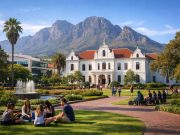




While the Mother City is globally recognized for its iconic skyline, its true treasure is hidden in the soil. A team of botanists and conservationists, including experts from the University of Cape Town (UCT), recently released the fourth major update to the Cape Peninsula’s plant species checklist—the first in 76 years.
The findings confirm that Table Mountain National Park and its surroundings are home to a staggering 2,785 species, making it more botanically diverse than many entire European countries.
1. A Global Biodiversity Epicenter
Cape Town is a “biodiversity capital.” The concentration of plant species per unit area on the Cape Peninsula is among the highest on Earth. Because so many of these plants are endemic (found nowhere else), the region is a critical component of the Cape Floral Region UNESCO World Heritage Site.
2. The Unique Fynbos Identity
The landscape is defined by Fynbos, a vegetation type exclusive to Africa’s southern tip. The checklist highlights five dominant “families” that create this unique tapestry:
- Restios (reed-like plants)
- Proteas (showy, iconic blooms)
- Ericas (delicate heaths)
- Irises (vibrant bulbs)
- Peas (diverse legumes) At least 158 species on the Peninsula exist only within this small geographic footprint.
3. The Extinction Capital Warning
The Peninsula’s richness comes with a somber title: the extinction capital of the world for flowering plants. The new checklist identifies 261 threatened species, with 38 classified as Critically Endangered.
- The Fire Paradox: Many species, like certain orchids and ericas, are disappearing because natural fires are suppressed. Fynbos requires fire every 10–20 years to germinate and thrive.
4. The War on Alien Invasives
The checklist identifies 437 non-native species currently growing wild. Invasives like Wattles, Gums, and Pines are more than just “weeds”—they act as “water thieves,” choking freshwater systems and fueling more intense, dangerous wildfires. However, restoration efforts have already cleared over 3,300 hectares, leading to the miraculous reappearance of “lost” species.
5. Small Plants, Big Impact
Contrary to many global forests, trees make up only 2.5% of the Peninsula’s flora. Instead, the mountain is ruled by:
- Non-woody plants (1,078 species)
- Dwarf shrubs (607 species) These plants have evolved extraordinary “underground storage” systems to survive bone-dry summers and nutrient-poor soils.
6. Science is Constantly Evolving
The checklist isn’t static. Since 2000, 18 species new to science have been discovered in Cape Town, including the tiny Schoenus inconspicuus (Hidden Veldrush). Conversely, conservationists are “bringing back the dead” through cultivation—the Whorled Heath (Erica verticillata), once extinct in the wild, has been successfully reintroduced after being rediscovered in European botanical gardens.