









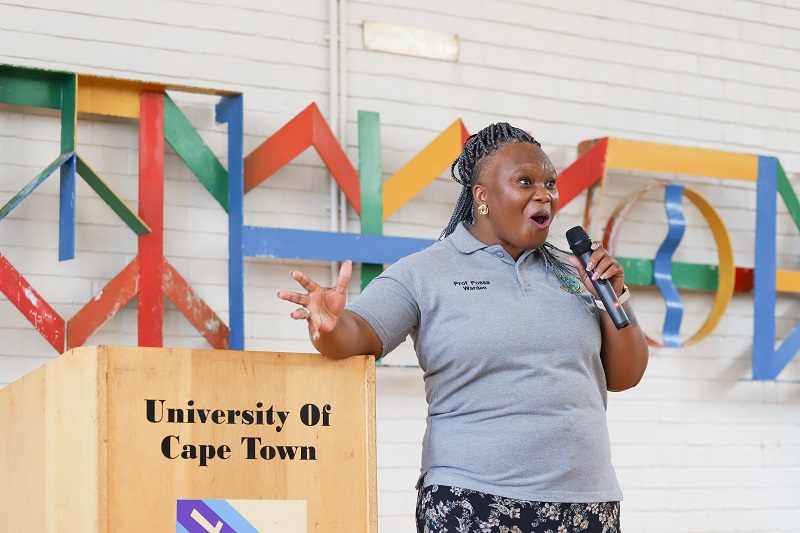
While many universities focus on the prosecution of gender-based violence (GBV), a major movement is growing at the University of Cape Town (UCT) to stop violence before it starts. Leading this charge is Associate Professor Rethabile Possa, a warden and GBV tribunal member who is taking tough conversations directly into student residences to unlearn harmful cultural norms.
What began as a local initiative in 2016 has evolved into a massive, residence-driven campaign that tackles the roots of sexual entitlement, lack of consent, and toxic masculinity.
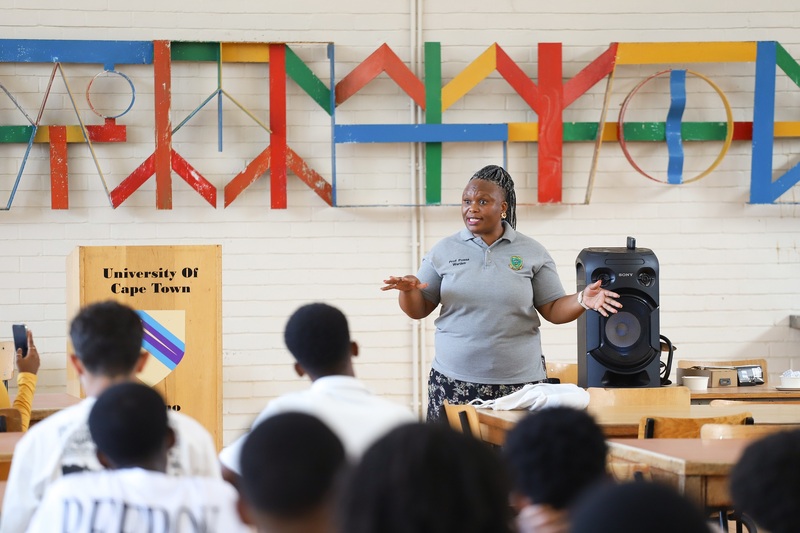
The Challenge: Unlearning Lifelong Norms
According to Prof. Possa, many students arrive at UCT shaped by backgrounds where gender-based violence was witnessed or normalized.
- Harmful Masculinity: Some male students grew up believing that “pursuing” or ignoring a partner’s discomfort was a sign of love or masculinity.
- Socialized Silence: Many female students were taught to remain silent or compliant, even when their boundaries were being crossed.
“They think they are innocent because this is what they grew up seeing… they’ve seen their fathers beat their mothers, and they think this is normal.” — Assoc Prof Rethabile Possa
“Men’s Cave” and “Sisterhood”: Creating Safe Spaces
To address these deep-seated issues, Possa uses structured, gender-specific, and inclusive conversations:
- The Men’s Cave: A space where senior male students discuss courting, respect, and sexual behavior openly.
- Sisterhood: Sessions focused on empowering women to understand their rights and find their voices.
- Inclusivity: Specific engagements with LGBTQIA+ students to ensure the message of dignity reaches everyone.
The Core Message: Consent is a Conversation
Possa’s campaign centers on the idea that consent is not a one-time “yes,” but a continuous process that requires constant communication—before, during, and even after intimacy.
- The “Shock” Factor: Many male students expressed surprise during these sessions, realizing that persistent “pursuit” after a “no” is a violation, not a romantic gesture.
- Ongoing Dialogue: Possa encourages students to normalise asking, “How was it?” and checking in with partners throughout an encounter.
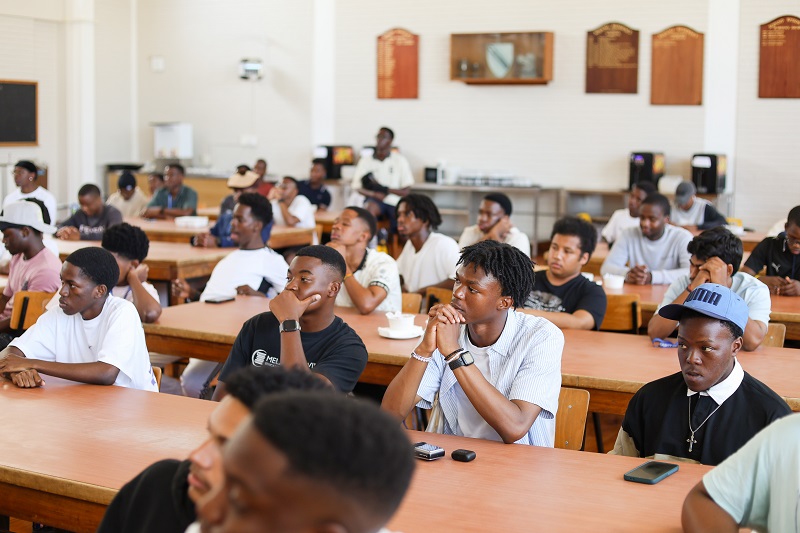
A Residence-Driven Demand
The momentum for 2026 has been fueled by student leaders themselves. Mubarak Abubakari, head student of Carinus Residence, advocated for more preventive measures, noting that while UCT’s prosecution system is “extremely robust,” prevention needed to be elevated.
At Carinus, Possa’s sessions engaged the entire house—not just first-years—to confront complacency and establish clear boundaries across the student body.
Beyond Awareness to Healing
The impact of this work is tangible. Possa reports that after her talks, students frequently approach her to disclose past trauma or childhood abuse. Her role often shifts from educator to bridge-builder, referring survivors to professional mental health support services.
A Campus-Wide Effort
In 2026, Possa has already addressed students at:
- Fuller Hall & Tugwell
- Carinus & University House
- Kopano & Forest Hill
- Upper Campus Residences
Supported by the Office for Inclusivity & Change (OIC) and Student Housing leadership, these sessions often include social workers to provide immediate support for those triggered by the discussions.