









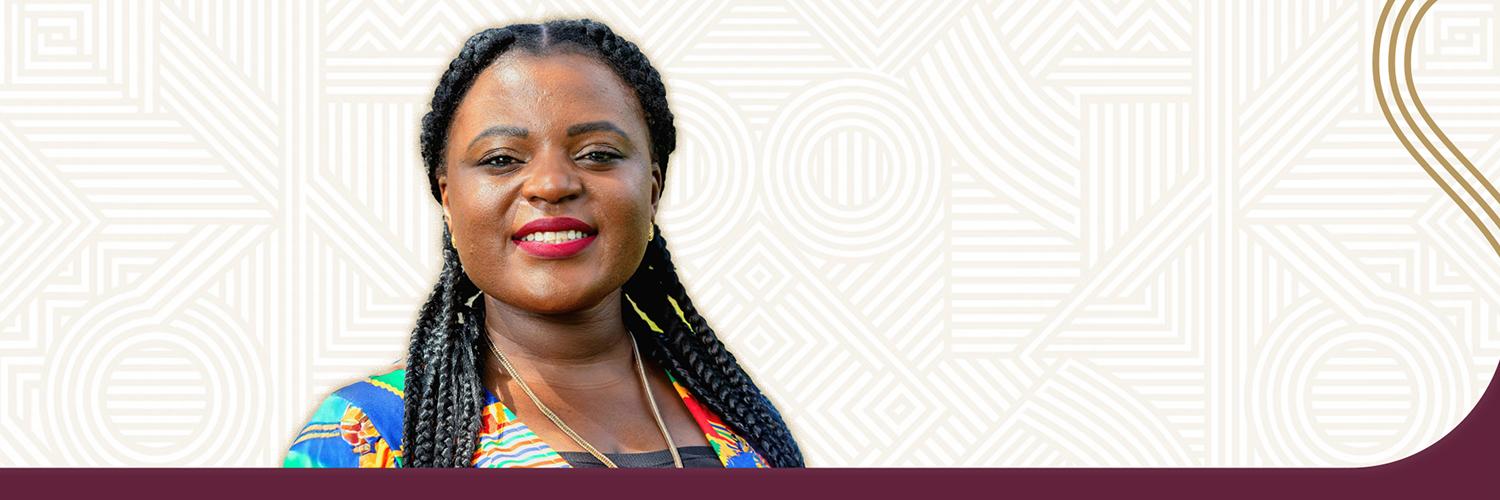
Dr. Olivia Matshabane, a pioneering neuroethics researcher at Stellenbosch University’s (SU) Faculty of Medicine and Health Sciences, has made history as the first South African recipient of the prestigious International Brain Research Organisation (IBRO) Rising Star Award.
The 2025 award, announced on 24 February 2026, marks a significant milestone for African science, positioning Dr. Matshabane as a leading voice in the ethical implementation of neurotechnology and psychiatric genomics on the continent.
Closing the Data Gap: Ethics in African Neuroscience
Dr. Matshabane, who hails from eNgqele village in the Eastern Cape, leads the Africa Neuroethics Research Group. Her work tackles a critical disparity in global science: while neuropsychiatric conditions are prevalent in African rural and township communities, these populations are often excluded from the research and policy decisions that shape treatment.
Key Focus Areas of the Africa Neuroethics Research Group:
- Neuropsychiatric Genomics: Understanding how genetics influence mental health conditions like depression and schizophrenia to move toward personalized treatments.
- Inclusion: Addressing the fact that African representation in global genomic datasets remains below 2%.
- Responsible Tech: Exploring the safety and data privacy of AI-driven and invasive neurotechnologies.
- Cultural Context: Integrating traditional perspectives and local lived experiences into scientific frameworks.
“To my knowledge, IBRO has never given this award to candidates in neuroethics,” Dr. Matshabane noted. “For me, and for our work, this is a vote of confidence in a field that explores the ethical, social, and cultural implications of neuroscientific advancements.”

A Boost for Local Research Infrastructure
The IBRO Rising Star Award is designed to help early-career neuroscientists transition into independent roles by providing essential start-up funds to establish their own laboratories. For Dr. Matshabane, this means expanding her team—which includes PhD candidate Mohhadiah Rafique and Master’s student Yomelela Golimpi—to co-design research alongside traditional leaders and patients.
The Global Impact of the IBRO Award:
- 74 Labs established in 25 countries since 2015.
- Bridging Infrastructural Gaps in under-resourced settings.
- Pathway to Major Grants: Winners are often better positioned to secure funding from the Welcome Trust and the NIH.
Establishing an African Ethical Framework
As the Ethics Lead for the Psychiatric Genomics Consortium Africa Working Group, Dr. Matshabane is currently working to establish a framework that ensures African genomic data is handled responsibly and that African priorities are elevated in the global scientific community.
“We want to ensure that African ethical perspectives shape the research from the start,” she explained. “This award allows us to ensure that innovation contributes meaningfully to our society.”