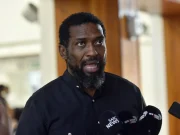
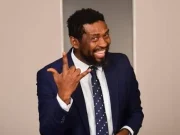


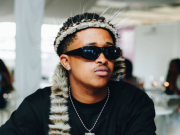
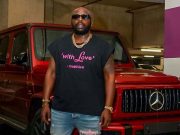
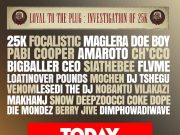
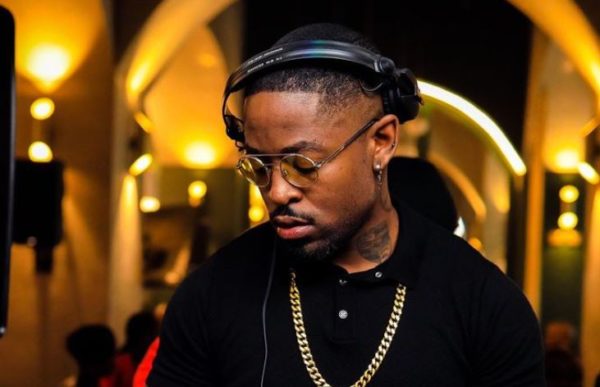
House music heavyweight Prince Kaybee has sparked a viral debate after candidly revealing why he has no plans to organize his own headline events. The revelation came shortly after Kaybee publicly championed DBN Gogo’s historic 24-hour DJ set, leading fans to ask when the “Club Controller” hitmaker would step up to host a massive production of his own.
The “Controversy” Factor
Responding to an inquiry on X (formerly Twitter), Kaybee admitted that his outspoken nature and history of public friction are the primary reasons he avoids the promoter’s seat. He expressed concern that his personal brand might negatively impact ticket sales.
“I’m too controversial to host my own shows. I’ll be trying to sell tickets, then someone will remember something I said that offended them. But I can come show love to those that do,” Kaybee wrote.
The artist’s self-awareness regarding his polarizing public image quickly gained traction, with many debating whether social media “cancel culture” actually translates to empty seats at a live venue.
Industry Pushback: Lebza The Villain Disagrees
The comment didn’t sit well with everyone in the industry. Fellow DJ and producer Lebza The Villain was quick to challenge Kaybee’s logic, arguing that controversy often acts as a catalyst for interest rather than a deterrent.
In a direct response, Lebza noted:
- Attention vs. Impact: Controversy can sharpen public attention and fuel curiosity among the general public.
- Online vs. Offline: Social media “noise” rarely defines an artist’s true, ticket-buying audience.
- The Real Reason: Lebza suggested the decision might be more about personal preference or a lack of desire to manage the logistics of event hosting rather than fear of a public backlash.
Support Over Hosting
Despite his reluctance to headline his own festivals, Prince Kaybee continues to be a visible supporter of his peers. His recent presence at DBN Gogo’s marathon set reinforces his stance: he would much rather contribute his energy to the success of others’ “groundbreaking moments” than risk the potential friction of his own branded events.