







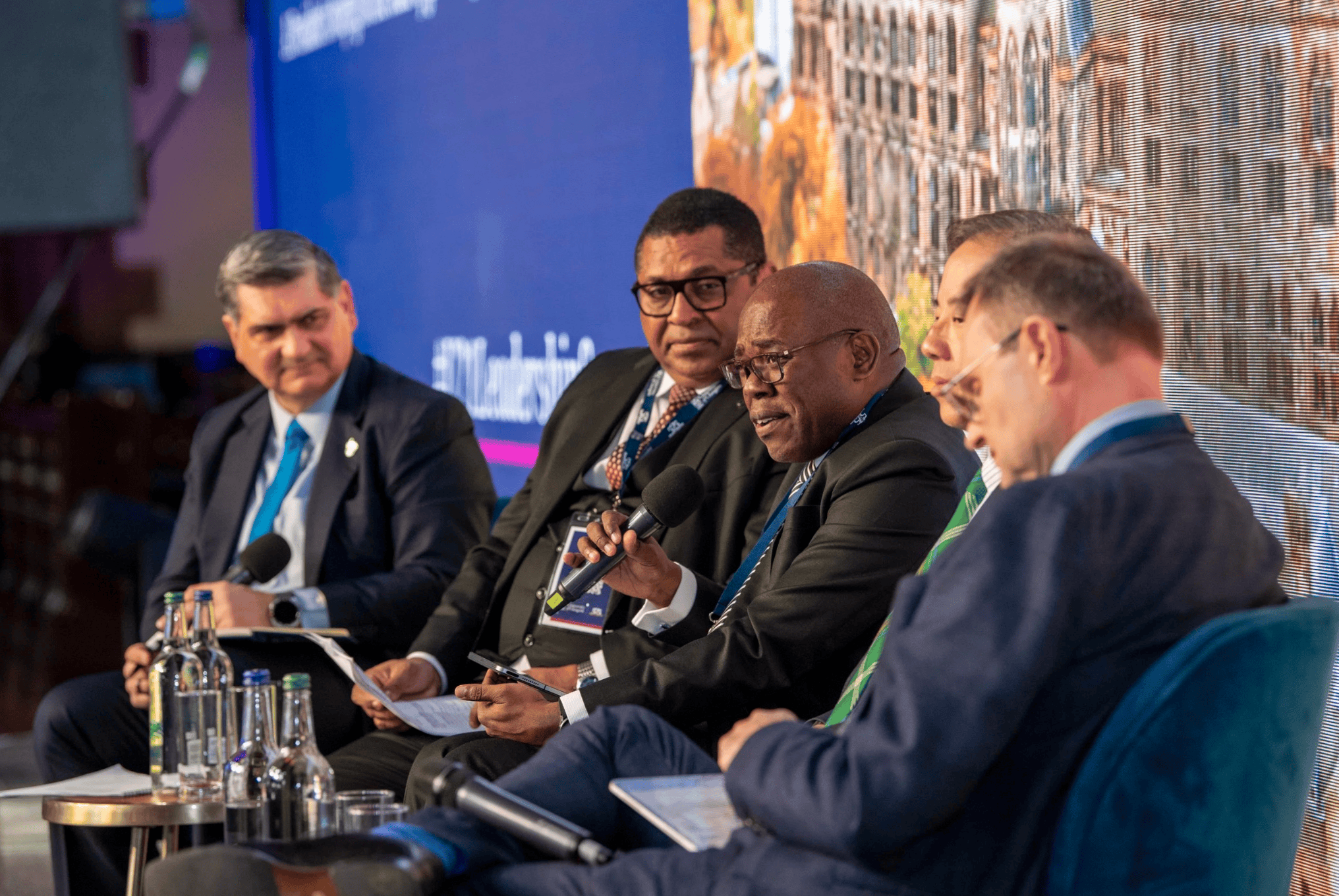
South African universities are grappling with a massive supply-and-demand imbalance that threatens the future of the nation’s youth. Speaking at the Universitas 21 Leadership Summit in Glasgow, University of Johannesburg (UJ) Vice-Chancellor and Principal Letlhokwa Mpedi highlighted a heartbreaking reality: institutions are being forced to reject hundreds of thousands of qualified students due to systemic capacity constraints.
While university enrollment has nearly doubled since the dawn of democracy—surpassing a million students nationwide—the infrastructure and funding required to support this growth have lagged behind.
The Numbers: A Statistical Standoff
The scale of the crisis is best illustrated by UJ’s own application data for the 2026 academic year. The sheer volume of interest highlights a desperate thirst for education that the “brick-and-mortar” system simply cannot quench.
- Total Individual Applications: ~850,000
- Total Applicants: ~450,000
- Available First-Year Seats: 11,200
- The Result: Tens of thousands of students who meet minimum entrance requirements are turned away every year.
Three Pillars of the Higher Education Crisis
1. The Financial Burden & Student Debt
Mpedi noted that public universities are currently carrying an estimated R16.5 billion in accumulated student debt. While the National Student Financial Aid Scheme (NSFAS) exists, it is insufficient to cover the entire population.
2. The “Missing Middle”
A significant portion of the student body falls into the “missing middle”—families who earn too much to qualify for government aid but too little to afford tuition and accommodation out of pocket.
3. Infrastructure and Housing
Beyond the lecture halls, there is a severe shortage of safe, affordable student accommodation, further limiting the number of students an institution can responsibly admit.
The Digital Solution: UJ’s “Digital Twin”
To combat these physical limits, UJ is pivoting toward high-quality virtual education. In 2025, the university launched UJ Digital, a platform designed to offer the full “campus experience” online.
- Enrollment: 20,000 students in its first year.
- Curriculum: 130+ offerings, from short programs to full qualifications.
- The Vision: Mpedi aims for a “digital twin” of the physical campus, ensuring online students receive identical support, counseling, and academic rigor.
“We don’t want to be the best university in the world. We want to be the best university for the world.” — Letlhokwa Mpedi
Social Impact: Changing Generations
For Mpedi, the mission is personal and societal. Many UJ students are the first in their families to attend university. The Vice-Chancellor emphasized that a single degree doesn’t just benefit the graduate; it uplifts entire families and communities, acting as a powerful tool for social mobility in South Africa.
As the only African member of the U21 network, UJ continues to ensure that the unique challenges and perspectives of the continent are represented in global discussions about the future of learning.