




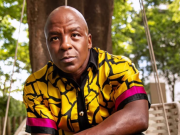



The appeal centers on an October 2025 Gauteng High Court judgment that significantly altered the financial stakes of the divorce. The court previously ruled:
- The 2011 Customary Marriage: Valid and “In Community of Property” (meaning assets are shared equally).1
- The 2017 Civil Marriage: Null and void.
Black Coffee is challenging both findings, seeking to overturn the recognition of the customary marriage and the resulting financial implications.

Key Points of the Appeal
The SCA will address two primary legal questions that could set a precedent for South African marital law:
| Issue | Black Coffee’s Argument | Enhle Mbali’s Position |
| Marital Validity | Claims a valid customary marriage never existed; argues there was no mutual consent as required by law. | Asserts that family negotiations and traditional rituals performed prove clear consent and validity. |
| Spousal Support | Contends there is no factual basis for maintenance and that Mlotshwa’s financial needs were unproven. | Maintains that the High Court correctly assessed her financial circumstances and justified the support. |
Why This Case Matters
Beyond the celebrity headlines, legal analysts suggest the SCA’s decision will provide much-needed clarity on the intersection of customary and civil law.
The final ruling could influence how South African courts handle “overlapping” marriages—situations where a couple enters into traditional rites followed by a civil ceremony—and how antenuptial agreements are weighed against customary practices.
Note: The appeal is expected to be heard later in 2026, ensuring that one of South Africa’s most high-profile divorces remains under intense legal scrutiny.