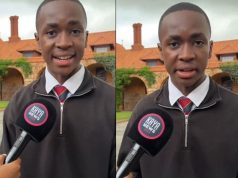





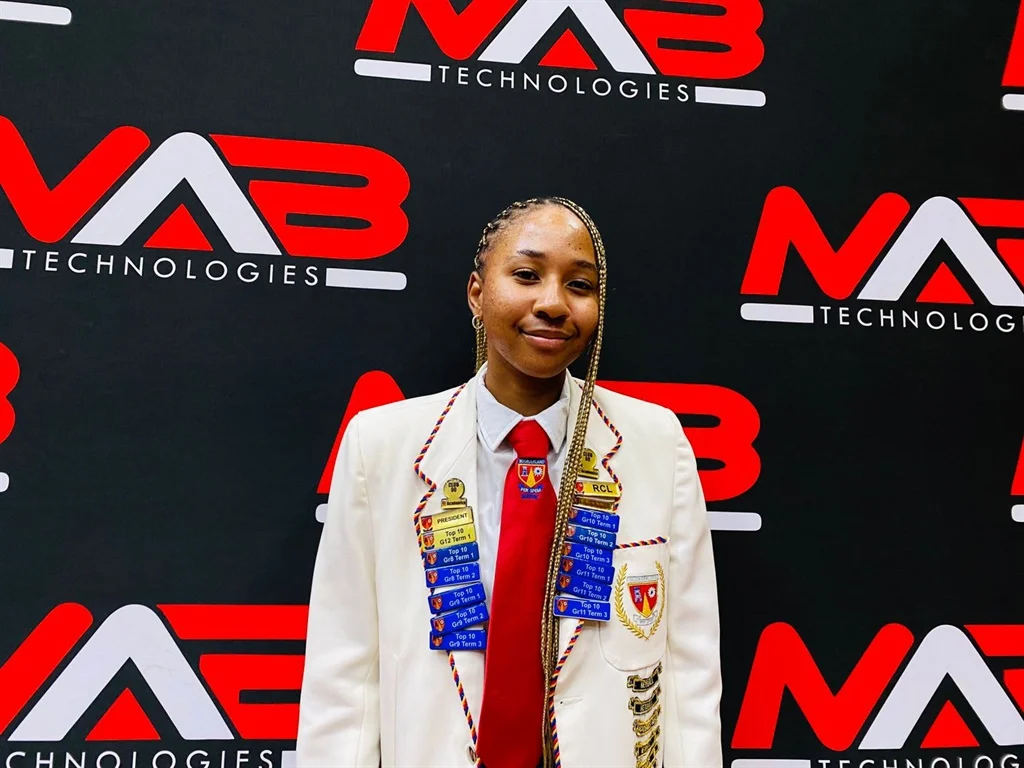
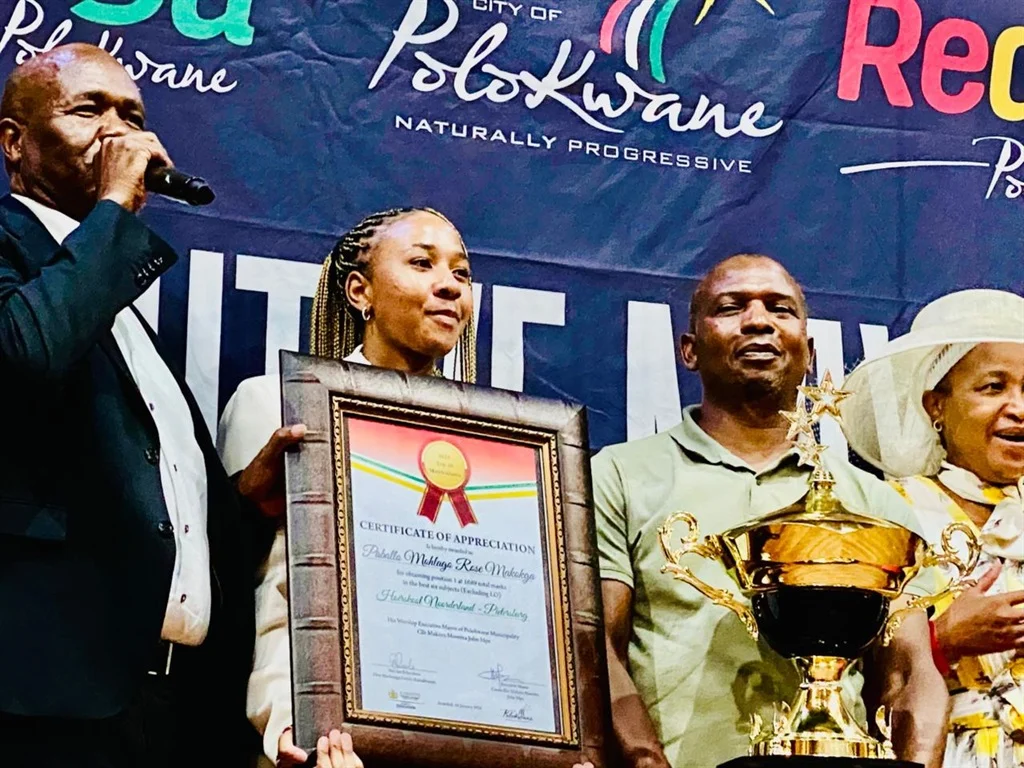
POLOKWANE – In a year defined by a “national capacity crunch” in higher education, 19-year-old Paballo Makoga has emerged as a beacon of hope for aspiring South African students. The Polokwane native has officially secured a spot in the prestigious Bachelor of Medicine and Bachelor of Surgery (MBChB) program at the University of Cape Town (UCT) after achieving a staggering average of over 90% in the 2025 Matric examinations.
Paballo’s success is more than just a personal milestone; it is a triumph over the statistical “impossible” that many medical school applicants faced this cycle.
Beating the 1:57 Odds
As recent data from the 2026 admission cycle suggests, securing a seat in a South African medical faculty is one of the most difficult academic feats in the country. With UCT receiving tens of thousands of applications for just a few hundred spots, Paballo’s 90%+ average placed her in the top tier of the nation’s academic elite.
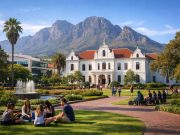
For Paballo, the journey from the classrooms of Limpopo to the slopes of Table Mountain represents the culmination of years of disciplined study and a clear vision for her future. “Dreams do come true,” she shared, echoing the sentiments of a community that has rallied behind her success.

The Road to Becoming a Doctor
The path ahead is rigorous. As an MBChB student at UCT, Paballo will undergo a six-year journey of intensive clinical and theoretical training, followed by two years of internship and a year of community service.
The MBChB Journey at a Glance:
- Years 1–3: Foundational medical sciences and early clinical exposure.
- Years 4–6: Clinical rotations in major hospitals (Groote Schuur, Red Cross Children’s, etc.).
- Post-Graduation: Two-year internship and one year of mandatory community service.