







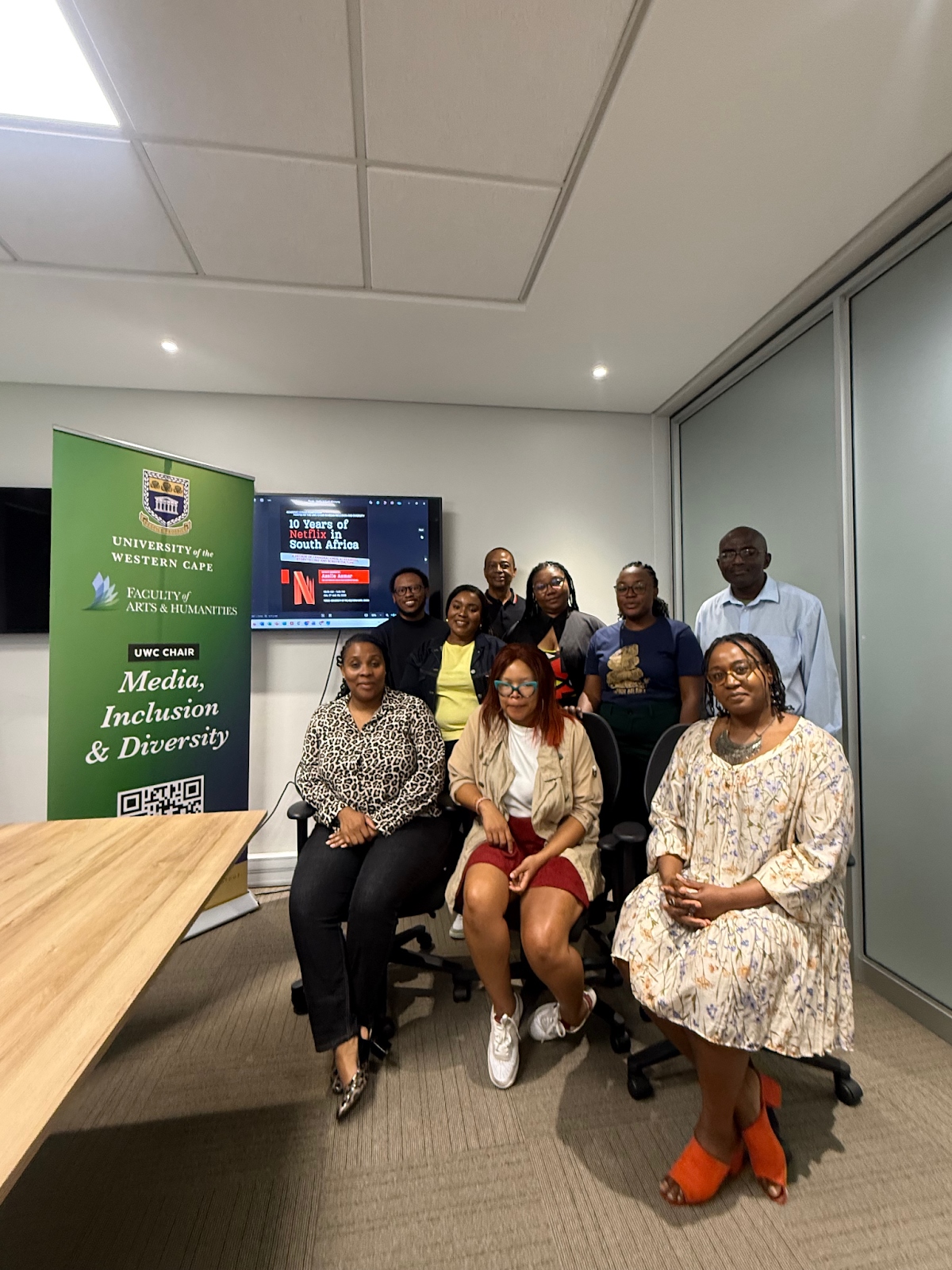
As South Africa marks a decade since the 2016 arrival of global streaming giant Netflix, researchers at the University of the Western Cape (UWC) have convened a landmark academic symposium to confront a critical question: What happens when a Silicon Valley algorithm becomes the primary curator of African culture?
Held on 27–28 January 2026, the symposium, hosted by the UWC Chair in Media Inclusion and Diversity, offered a rigorous critique of the streaming landscape. The event underscored a volatile turning point for the local industry, shifting the discourse from the dominance of a single platform to the potential birth of a transnational media monopoly following the Canal+ acquisition of MultiChoice.
The Digital Neocolonialism Debate
The symposium sparked intense discussion regarding whether global giants strengthen South African storytelling or if they have introduced a more aggressive form of digital neocolonialism.
“We are asking the tough questions: Who is seen, who is heard, and who is being ‘coded out’ of our contemporary cultural archive?” remarked Associate Prof Sisanda Nkoala (UWC Linguistics Department), who co-chairs the initiative with Prof Leo van Audenhove (Vrije Universiteit Brussels).
Shifting Power Dynamics
While Netflix set the stage for the streaming era with local originals like Blood & Water and How to Ruin Christmas, the conversation has shifted to the $3.2 billion Canal+ acquisition of MultiChoice.
This merger creates a Pan-African behemoth, raising profound concerns about cultural sovereignty. Researchers questioned whether a French-owned conglomerate will prioritize the local nuances vital to South African audiences, or if this centralization of power will limit the diversity of voices on screen.
Access Over Content
Despite the glitz of original series, the symposium highlighted a crucial bottleneck: hard infrastructure.
Keynote speaker Axelle Asmar (VUB) emphasized that for a significant portion of South Africans, the internet remains a rationed resource. High data costs and limited broadband infrastructure in rural areas mean that the “streaming revolution” is reinforcing existing socio-economic inequalities.
A Sustained Pipeline of Research
The symposium is not merely a theoretical exercise; it is the first step in a sustained effort to elevate South African perspectives in global media studies.
- International Reach: A dedicated panel has already been accepted for the International Communication Association (ICA) conference in Cape Town this June.
- Empowering Young Researchers: The Chair is cultivating a new generation of talent, including Master’s student Carin Hector, whose presentation, “The South African algorithm: Race and Gender,” dismantled how language, identity, and algorithms intersect in the digital age.