







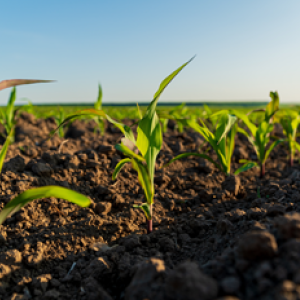
The NATAE project is a multi-dimensional initiative focused on North Africa, with South Africa serving as a critical replication site. The goal is simple but ambitious: accelerate the adoption of locally-tailored agroecological practices that boost food security, heal the environment, and protect the climate.
The Strategic Framework: 6 Pillars of Change
The project is structured into six interlinked work packages designed to modernize smallholder and dryland farming:
- Innovation & Living Labs: Testing field-validated practices to improve soil health and biodiversity.
- AI-Driven Advisory: Using digital tools to integrate climate and pest data, helping farmers make smarter decisions.
- Value Chain Transformation: Opening inclusive markets and ensuring women and youth are central to the agricultural economy.
- Policy & Governance: Working with regulators to create frameworks that allow sustainable farming to scale.
- Knowledge Exchange: Creating a “learning bridge” between Africa and Europe.
- Impact Assessment: Using data-driven indicators to measure environmental and economic success.
South Africa’s Role: The Replication Lab
The UP team isn’t just observing; they are actively mapping and surveying local landscapes. By running a replication lab, researchers are:
- Analyzing local agroecological practices under South African conditions.
- Comparing data with partner countries like Egypt, Tunisia, Morocco, and Mauritania.
- Cross-Pollinating ideas through site visits where stakeholders share real-world successes and failures.
The Leadership Team
This vital research is being driven by a dedicated team of experts from the University of Pretoria:
- Dr. Danie Jordaan
- Prof. Quenton Kritzinger
- Dr. Diana Marais
- Dr. Christiaan Mostert
- Ms. Mariëtte de Villiers