







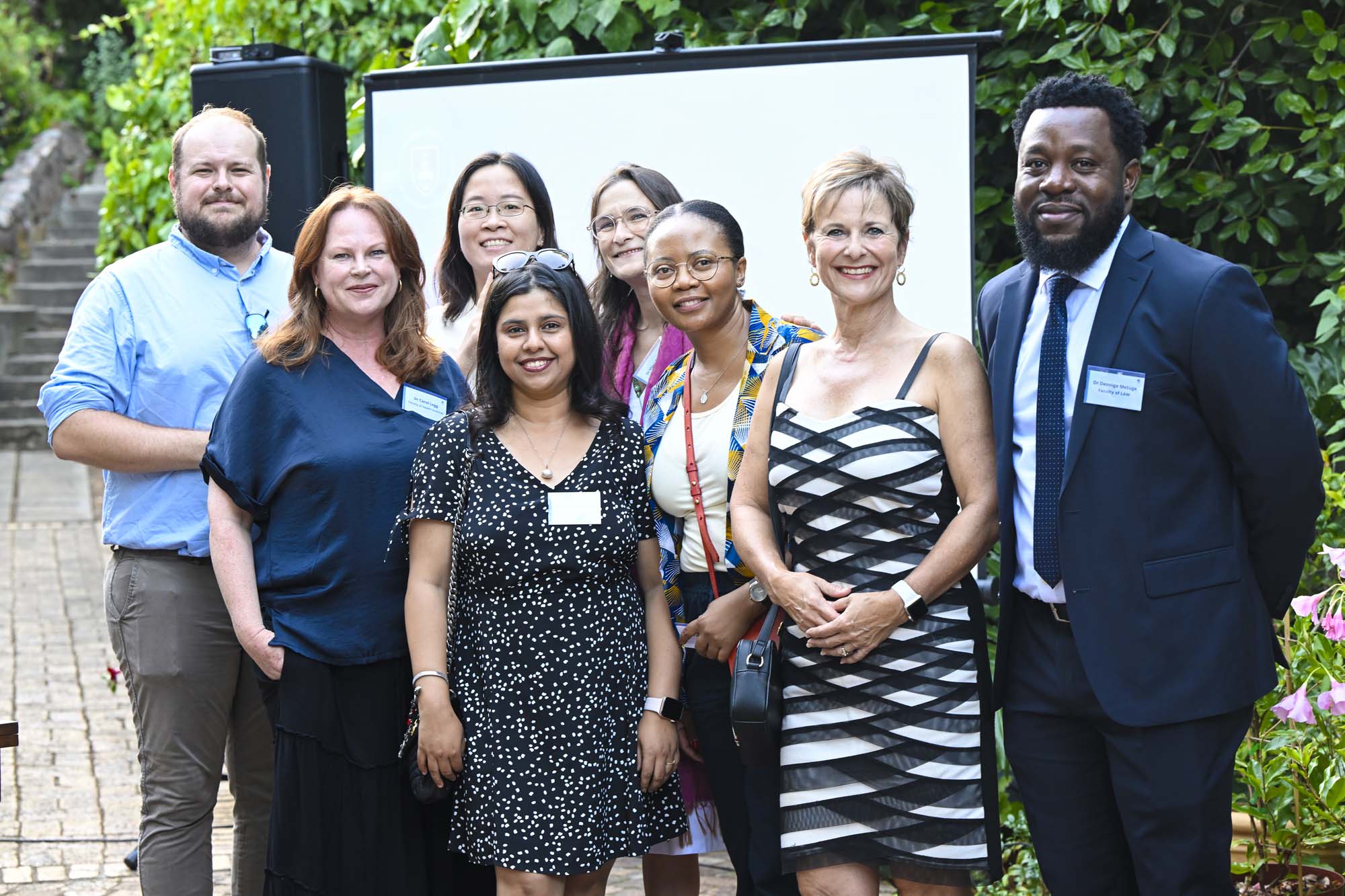
The University of Cape Town (UCT) is reinforcing its commitment to scholar development through the New Academic Practitioners’ Programme (NAPP). At a recent event on March 12, Vice-Chancellor Professor Mosa Moshabela hosted the 2025 cohort, emphasizing that the future of the institution rests on the agency and inclusivity of its newest educators.
Convened by the Centre for Higher Education Development (CHED), NAPP serves as a vital induction for full-time staff, helping them navigate the complex ecosystem of higher education—from AI integration to student-focused supervision.
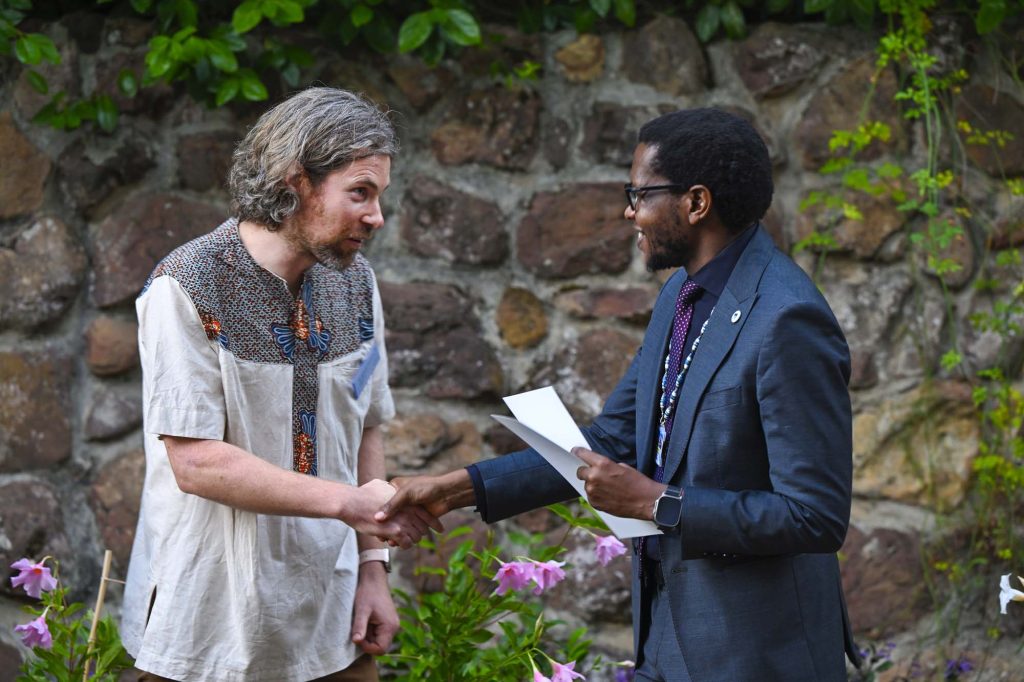
The Mission: Beyond the Lecture Hall
Professor Moshabela reminded the cohort that while academia is competitive, it is fundamentally built on active citizenship and peer support. NAPP is designed to ensure that no scholar has to navigate their journey in isolation.
“You may be one person, but you form a brick in the structure that we are as UCT,” Moshabela noted. “It’s important that you know that we see you.”
Key Pillars of the NAPP Framework:
- Resource Access: Equipping scholars with essential tools for research and teaching.
- Skill Development: Orienting practitioners toward modern technology and assessment practices.
- Network Strengthening: Creating an interdisciplinary community across different faculties.
Innovation in the Classroom: AI and Ethics
The higher education landscape is shifting, and UCT is meeting the challenge head-on. Associate Professor Kasturi Behari-Leak, Dean of CHED, highlighted three recent innovations within the programme:
- Ethical AI Engagement: Approaching artificial intelligence with critical inquiry rather than fear.
- Interdisciplinary Projects: Encouraging academics to team up across faculties to solve common teaching challenges.
- The “Holding Space”: Providing a safe environment for academics to discuss the hopes, fears, and complexities of the modern world.

Research Highlights: What the 2025 Cohort is Tackling
The diversity of research interests among the new practitioners reflects UCT’s status as a global research hub. Projects currently underway include:
| Research Area | Focus |
| Actuarial Science | The use of Artificial Intelligence by actuaries. |
| Environmental Science | Effects of microplastics, noise, and climate change on urban wildlife (like UCT’s red-winged starlings). |
| Healthcare | Disability-inclusive practice and patient-centered care. |
| Social Justice | Equitable communication access for multilingual and under-resourced populations. |
The Final Word: Perspective
Biological sciences lecturer Dr. Shaun Welman summed up the philosophy that NAPP instills in its participants with a powerful reminder for all educators:
“The big thing is about not having preconceived ideas about yourself or your students. Teach what’s in front of you, not what you expect.”