







A heated debate has erupted between Universities South Africa (USAf) and Parliament’s Portfolio Committee on Higher Education, centering on the recruitment of international academics. While universities argue that global hiring is a prerequisite for excellence, lawmakers are demanding a “South Africans first” approach to hiring.
The standoff highlights a delicate balancing act between maintaining South Africa’s status in the global knowledge economy and addressing domestic unemployment concerns.
The Case for Internationalisation
USAf executive officer Phethiwe Matutu has pushed back against the notion that foreign academics should only be hired for “scarce skills.” She argues that modern higher education cannot thrive in isolation.
- Global Competitiveness: To remain competitive in global rankings, universities must foster an environment of cross-border knowledge exchange.
- The Data: According to 2024 data, international academics make up approximately 14% (6,685 out of 47,078) of staff at South African universities. This is significantly lower than leading global systems, which often see international staff cohorts of 20% to 30%.
- A “Baseless Misconception”: Matutu dismissed the idea that international staff are displacing local talent, calling it an evidence-free narrative that ignores how research and teaching ecosystems actually function.
Parliament’s Stand: Local Candidates First
Despite these arguments, the Portfolio Committee on Higher Education remains steadfast. Committee chairperson Tebogo Letsie insists that institutions must prioritize South Africans and only look abroad when a specific skill gap cannot be filled domestically.
- Policy Alignment: The committee supports the “Internationalisation” framework but maintains it should only apply to scarce-skills categories.
- Accountability: Lawmakers are calling for stricter oversight to ensure that international recruitment does not come at the expense of qualified citizens.
The Socio-Political Backdrop
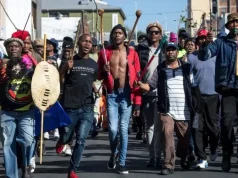
This institutional debate is unfolding against a tense national climate. High unemployment rates have fueled anti-migrant sentiments, with some vigilante groups actively campaigning against the employment of foreign nationals.
This friction has reached a diplomatic level, with countries like Nigeria, Kenya, and Ghana demanding explanations from the South African government regarding the treatment of their citizens. While Chairperson Letsie was quick to distance the committee from these movements—stating they do not support anti-foreign national views—the pressure to prioritize local employment remains a primary driver of the committee’s stance.
The Competitive Edge
As the debate continues, South African universities face a difficult choice: adhere to a protectionist hiring model that may impact their international prestige, or continue to push for a diverse, global workforce at the risk of further political friction.