









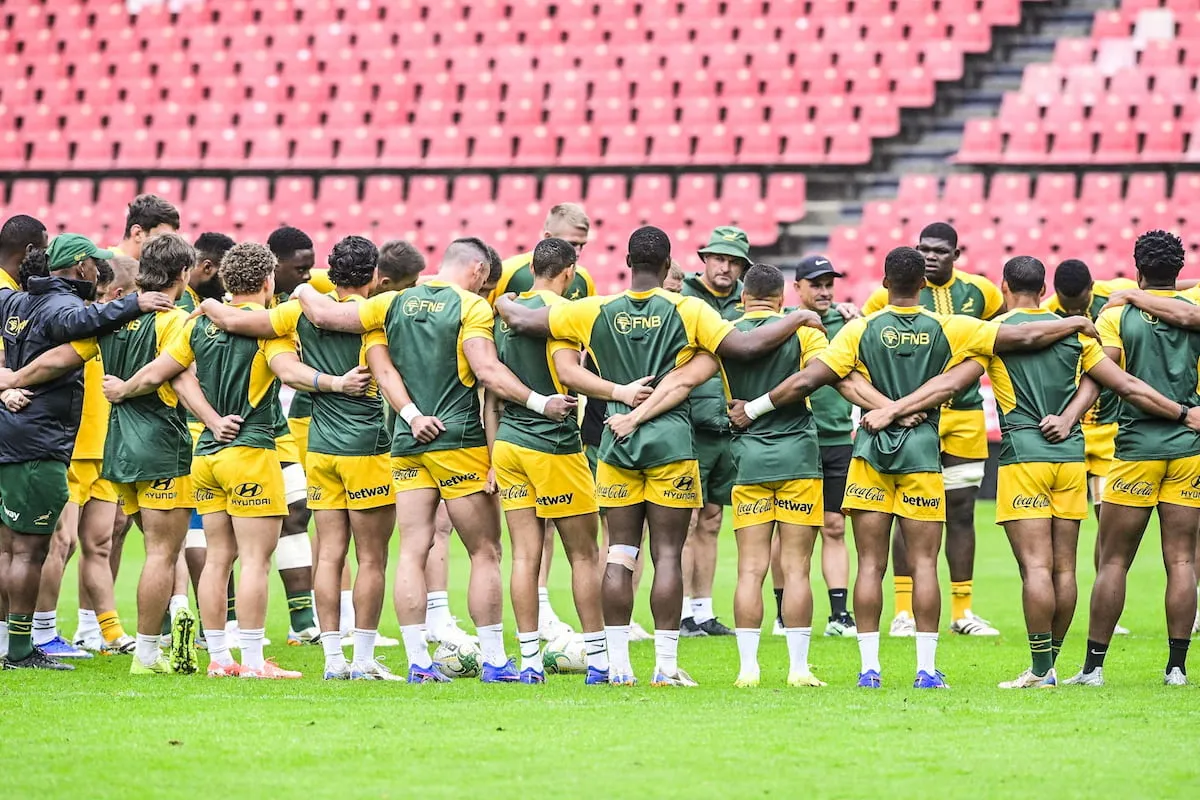
A major storm is brewing ahead of the Springboks’ highly anticipated Nations Championship opener against England this Saturday. What should be a roaring, sold-out celebration at the iconic 62,000-capacity Ellis Park stadium in Johannesburg is instead facing the staggering prospect of a historically low turnout.
Reports indicate a shockingly slow uptake in sales, raising urgent questions about whether rugby in South Africa is becoming a luxury ordinary citizens can no longer afford.
By The Numbers: A Half-Empty Fortress?
According to reports published by Rapport, only around 21,000 tickets had been officially wrapped up by the middle of last week. If late sales do not surge dramatically before the 17:40 kickoff on Saturday, the world champions could walk out to their emptiest home crowd in nearly two decades.
The primary culprit according to passionate fans and financial analysts? Sky-high pricing structures during an intense local cost-of-living crisis:
- The Price Range: Standard tickets are currently pegged from R950 on the low end up to a bruising R3,000 for premium seats.
- The Sweet Spot Dilemma: Digital analysts point out that the vast majority of remaining, unsold inventory sits squarely in the R1,750 to R3,000 bracket—putting the match entirely out of reach for middle-class households wanting to take their families.
Fans Slam SA Rugby’s “Greed” While Officials Blame Global Economy
The slow ticket movement has ignited a fiery debate on social media, with prominent sports commentators and local fans accusing SA Rugby of growing out of touch with its core audience.
“SA Rugby is becoming greedy and increasingly ignorant of who its audience is, and who actually buys its tickets,” noted one viral fan response on X. Other supporters pointed out that charging premium prices while forcing fans to commute into a notoriously difficult-to-navigate part of Johannesburg is a recipe for empty stands.
In contrast, SA Rugby administration has pointed toward broader structural issues. The governing body cited macroeconomic pressures, shifting consumer spending patterns, and global geopolitical anxieties as factors squeezing entertainment budgets. While officials remain publicly hopeful for a massive, traditional last-minute rush at the gate, critics argue that using macroeconomics to explain away noncompetitive pricing is simply missing the mark.