




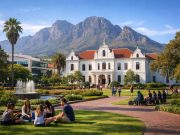

While tertiary institutions focus heavily on academic performance, the social integration of students with disabilities remains a critical, understudied challenge—particularly in the Global South.
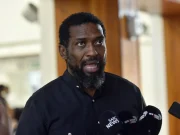
New research from Dr. Muya Koloko, a postdoctoral research fellow in the University of Cape Town’s (UCT) Division of Disability Studies, highlights that on-campus sport and recreation are not merely extracurricular activities; they are essential tools for building resilience, fostering social inclusion, and ultimately driving academic success.
Fostering a Sense of Belonging
Students with disabilities frequently battle feelings of isolation and alienation when navigating large academic environments. Dr. Koloko’s research emphasizes that participation in sports directly counters these sentiments by creating a welcoming community.
“Studies show students use sport and recreational activities to connect with their peers and their institutions. It helps to foster a sense of belonging,” says Dr. Koloko.
Shifting Perspectives on Disability
Beyond the benefits to the individual student, inclusive sport plays a vital role in educating the broader student body. It challenges the false perception that disability and physical activity are incompatible.
Participation helps students without disabilities to:
- Better understand various types of disabilities.
- Develop positive attitudes toward disability in general.
For many participants, the social engagement and meaningful relationships established during these activities proved to be even more valuable than the sporting activity itself.
The Path to Equitable Access
Dr. Koloko praises institutions like UCT for progress made, notably through the establishment of the ParaSport Club. However, he outlines a clear roadmap for further development:
- Increased Participation: Active encouragement for more students—both with and without disabilities—to join the club at competitive and administrative levels.
- Institutional Collaboration: Strengthening partnerships between universities and sporting organizations to develop parasport on a broader, provincial level.
- Evidence-Based Policies: Tying sporting opportunities directly to academic support to measure and enhance the impact of sport on academic success.
Next Steps in Research
Dr. Koloko’s research continues with an upcoming online survey aimed at analyzing student attitudes toward disability in sports. This will be followed by focus group discussions and a photovoice project, allowing students with disabilities to document their own experiences on campus