









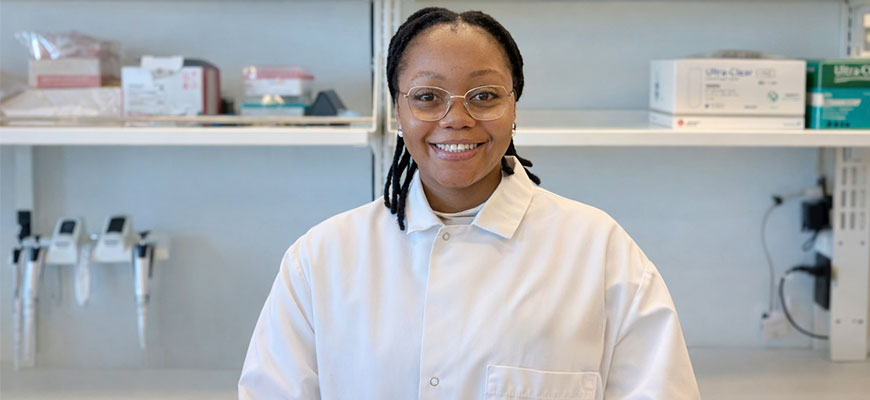
In a major leap for African genomics, Wits University PhD candidate Bontle Masango has officially begun her tenure as a 2025/2026 Fulbright Scholar at the world-renowned Broad Institute of MIT and Harvard in Cambridge, Massachusetts.
Selected for her exceptional academic merit and potential to drive global societal impact, Masango will spend the next five months collaborating with leading scientists to tackle one of the continent’s most pressing health crises: Type 2 Diabetes.
The Crisis: Undiagnosed and Untreated in Africa
Type 2 Diabetes is the most common form of diabetes in Africa, yet it remains critically underserved by current healthcare models.
- High Complications: The disease increases risks of heart problems, kidney disease, blindness, and amputations.
- Delayed Diagnosis: Alarmingly, over 50% of people with Type 2 Diabetes in Africa are unaware they have the condition.
- Ineffective Tools: African healthcare systems frequently rely on diagnostics and guidelines developed for European populations, which perform poorly for African genetics.
The Solution: Personalized Genomics & Early Detection
Masango’s research focuses on identifying small differences in DNA and lifestyle to create early warning systems, moving away from a “one-size-fits-all” approach.
“Many people only find out they have type 2 diabetes when it has already started causing complications,” Masango explains. “The purpose of my research is to find better ways to predict who is likely to develop type 2 diabetes before serious damage happens.”
Building on her master’s research into blood sugar responses in South African adults, her PhD aims to develop solutions tailored to African biology, lifestyle, and environment.
Global Collaboration for Local Impact
At the Broad Institute—a leading center for cross-disciplinary biomedical research—Masango will undergo advanced training and collaborate with world-leading researchers. Her goal is to bring this cutting-edge knowledge back to South Africa to:
- Reduce the disease burden on local healthcare systems.
- Enable earlier identification of high-risk individuals.
- Bridge critical gaps in precision medicine for underrepresented populations.