



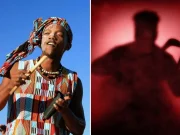





Radio and TV powerhouse Anele Mdoda-Mgudlwa has found herself at the center of a social media firestorm. Her call for the execution of the killers of Bolt driver Isaac David Satlat has ignited a polarized debate regarding celebrity activism and the complexities of crime in South Africa.
The incident has highlighted the growing tension between public demands for justice and the systemic issues within the e-hailing industry.
The Crime: A Career Cut Short
Isaac David Satlat, a Nigerian automotive engineering student, was murdered on Wednesday, February 11, in Pretoria West.
- The Incident: Satlat responded to a ride request when he was hijacked and strangled by two passengers—one male and one female.
- The Evidence: The harrowing attack was captured on the vehicle’s dashcam, showing the struggle until Satlat became unresponsive.
- The Aftermath: His body was discovered in the bushes in Atteridgeville. Satlat was set to graduate in March 2026 and had plans to move to Canada for further studies.
- The Legal Status: Suspects are currently in custody, facing charges of premeditated murder and aggravated robbery.
The Spark: Mdoda’s Call for Execution
Moved by the graphic footage, Mdoda-Mgudlwa took to X (formerly Twitter) to voice her anger, explicitly calling for the death penalty:
“No, they deserve to die. I’m sorry, but they don’t belong on earth. Why kill him? Why? No, they must be executed.”
While many shared her horror, the post quickly drew a wave of criticism from users accusing her of “selective outrage.”
The Backlash: Selective Outrage vs. Industry Safety
Critics pointed to two main arguments against Mdoda’s stance:
1. The “False Profile” Debate
Some users referenced Mdoda’s own past bad experiences with e-hailing, questioning why she was defending a driver who was allegedly using a fraudulent profile.
“So you’re going to overlook that he was fraudulently and illegally using another Bolt driver’s profile?” — @PhilaJMadondo.
2. Nationality and Celebrity Influence
A significant portion of the backlash focused on the nationality of the victim. Critics argued that South African celebrities are more vocal when foreigners are victims, but remain silent when South Africans are targeted by foreign nationals.
“The selective outrage by SA celebrities when foreigners are victims of crimes is astonishing. We never see the same energy when South Africans are victims…” — @earth2sizwe.