










When Professor Lionel Green-Thompson, Dean of the Faculty of Health Sciences (FHS) at the University of Cape Town (UCT), walked into the room at a recent symposium, he asked his colleagues what they saw. The answer—”A black man”—opened a vital dialogue on the 2026 academic calendar: How does racial language in research affect the way we treat patients and teach students?
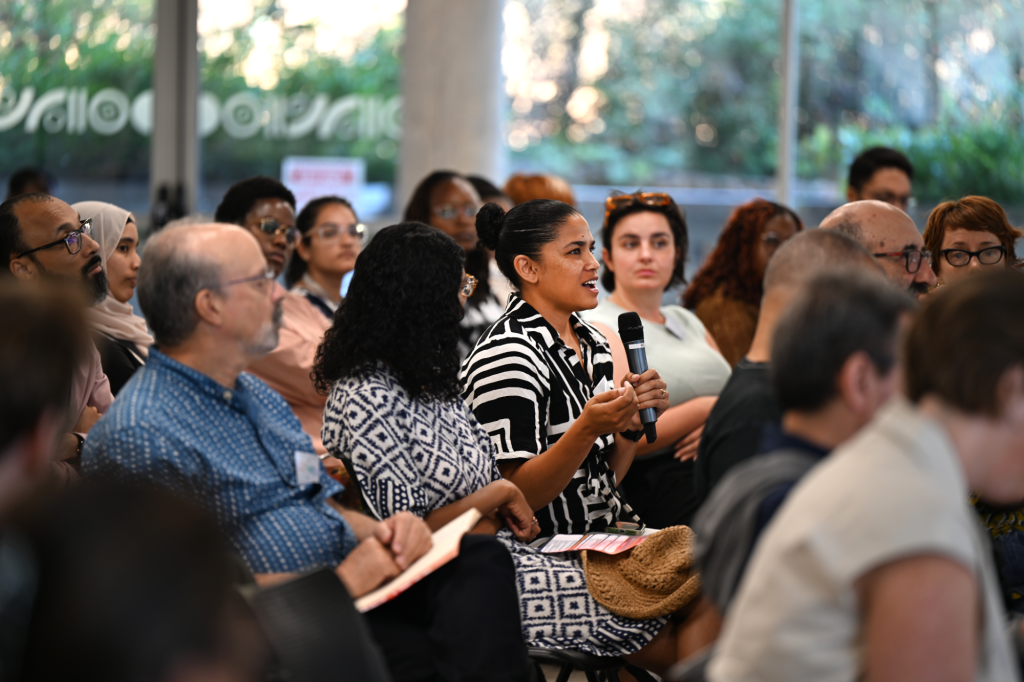
The symposium, held on 23 February 2026, brought together leading scholars to scrutinize the “uncomfortable” intersection of social categories and medical science, arguing that uncritical use of race risks reinforcing dangerous biological myths.
The “Unexplained Variable”: Race in Postgraduate Research
A centerpiece of the event was the research presented by Dr. Itumeleng Tatamala, who audited UCT health sciences theses from 2017 to 2021. Her findings suggest that while race is frequently used, it is rarely defined.
Key Findings from UCT Postgraduate Research (2017–2021):
| Thesis Level | Usage of Racial Terminology |
| PhD Theses | 37% |
| Master of Public Health (MPH) | 20% |
| Master of Medicine (MMed) | 18% |
Dr. Tatamala noted that in nearly 50% of MMed and PhD theses, researchers failed to state how race was determined.
“Race frequently functioned as an unexplained demographic variable,” Tatamala warned. “This continued uncritical use risks reinforcing biological determinism and can obscure the structural drivers of health inequity.”
Genetic Reality vs. Typological Thinking
Keynote speaker Phila Msimang from Stellenbosch University dismantled the idea that race is a reliable biological proxy. He argued that “typological thinking”—the belief in fixed racial “types”—is scientifically obsolete.
The Scientific Case Against Race-Based Medicine:
- Intra-group Variation: Genetic research shows the vast majority of human variation exists within populations, not between racial groups.
- Surface vs. Substance: Skin color does not reliably predict internal biological traits or drug responses.
- Environmental Drivers: Msimang used Sickle Cell Disease as an example. Often mislabeled as a “black disease,” its prevalence is actually linked to malaria-prone environments, appearing in Mediterranean, Indian, and Saudi Arabian populations regardless of race.

Risk Factor or Social Consequence?
The symposium emphasized that while race isn’t a biological category, racism creates biological consequences.
- The Mineworker Example: High rates of lung disease in black mineworkers are not due to “blackness” as a risk factor, but rather to historical labor systems, poor working conditions, and proximity to mines.
- Clinical Reasoning: Msimang urged doctors to move from “population averages” to “individual care.” “Look at the person in front of you and their traits,” he advised.