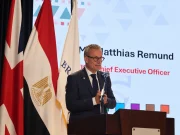
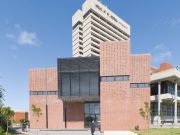






In a massive stride toward a carbon-neutral future, Wits University has announced the development of a modular, R100 million pilot hydrogen plant. The Wits-South Africa Hydrogen Localisation Initiative (Wits-SAHLI) is a powerhouse collaboration between the university, global industrial gas leader Air Liquide, and the Localisation Support Fund (LSF).
The facility will serve as a living laboratory, placing students and researchers at the heart of South Africa’s burgeoning green economy.
Engineering the Future: How the Plant Works
Unlike a traditional classroom experiment, this is a fully functioning industrial plant. It will leverage South Africa’s natural resources—water and solar energy—to produce hydrogen through the process of electrolysis.
Key Technical Specifications:
- Production Capacity: 2.2 kg of hydrogen per hour at full operation.
- Storage Capacity: On-site storage for up to 200 kg of hydrogen.
- Energy Source: 100% renewable (Solar).
- Timeline: Expected to be fully operational by 2028.

Beyond the Lab: Real-World Impact
The hydrogen produced will not go to waste; it is earmarked for a variety of high-impact campus and industry projects:
- Green Transport: Powering hydrogen-powered campus vehicles.
- Campus Energy: Supplementing the university’s power needs.
- Industry Testing: Providing a plug-and-play facility for partners to test hydrogen applications without the massive overhead of building their own plants.
“This is not a laboratory experiment. It is a working plant on a university campus. Our students will see how hydrogen is produced, stored, and used at scale.” — Professor Rodney Genga, Wits-SAHLI Design Lead.
Strategic Localisation: Building a “Home-Grown” Workforce
The project is a critical piece of the South Africa Hydrogen Society Roadmap, which aims to produce 500,000 tonnes of green hydrogen by 2030.
By partnering with the LSF, Wits-SAHLI ensures that the industrial benefits stay within South African borders. The goal is to create a competitive network of local suppliers and a workforce equipped with specialized technical expertise—transferring 60 years of global knowledge from Air Liquide directly to South African soil.