









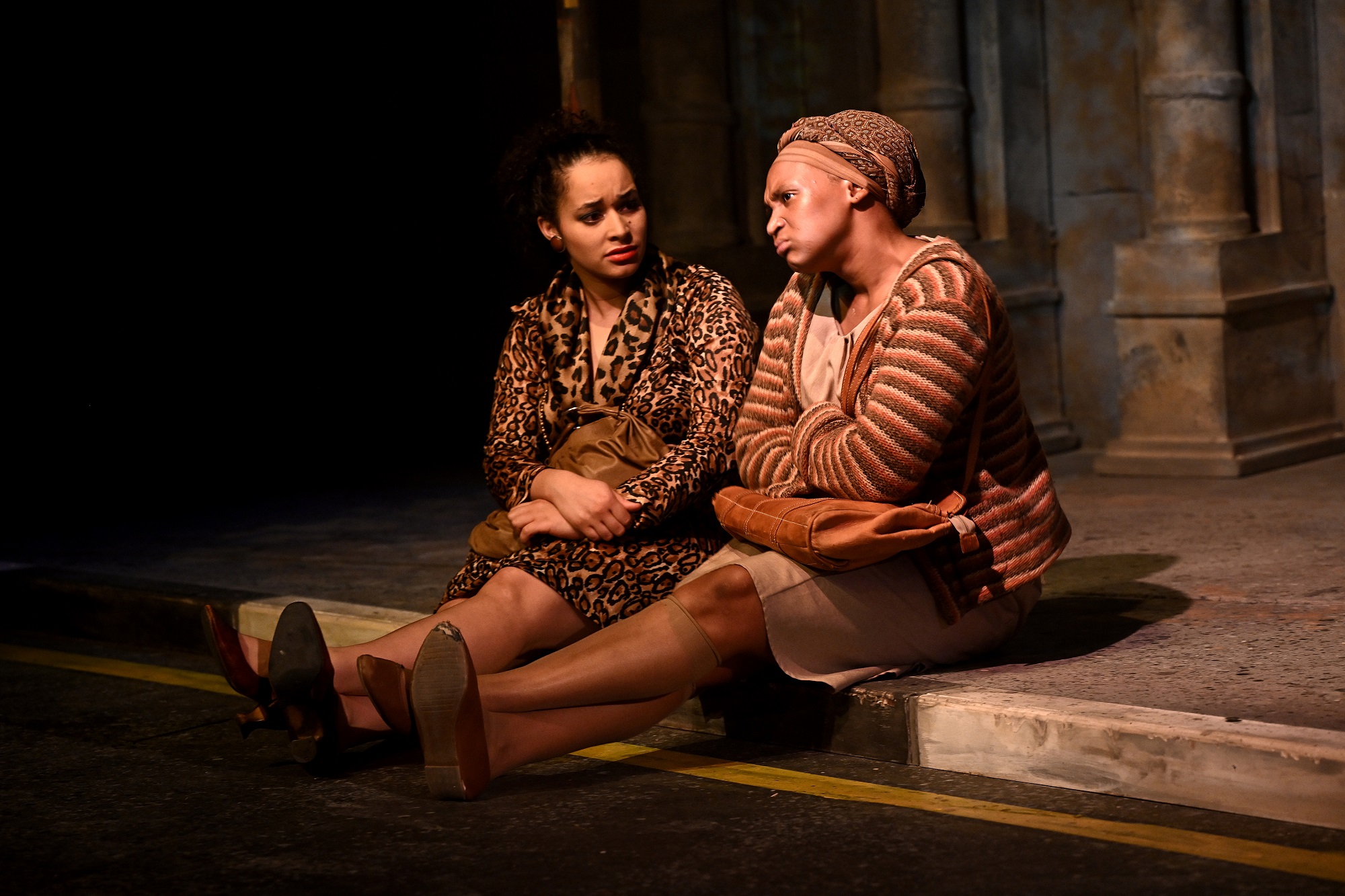
Written in 1988, Mda’s play centers on two women waiting outside a government warehouse in Lesotho for subsidized rice. However, Kweyama’s direction bridges the gap between 1988 and the present-day South African reality.
- The Parallel: Kweyama draws a direct line between the play and modern SASSA recipients who sleep on pavements from 04:00, clutching camping chairs and blankets, only to be turned away at 15:00.
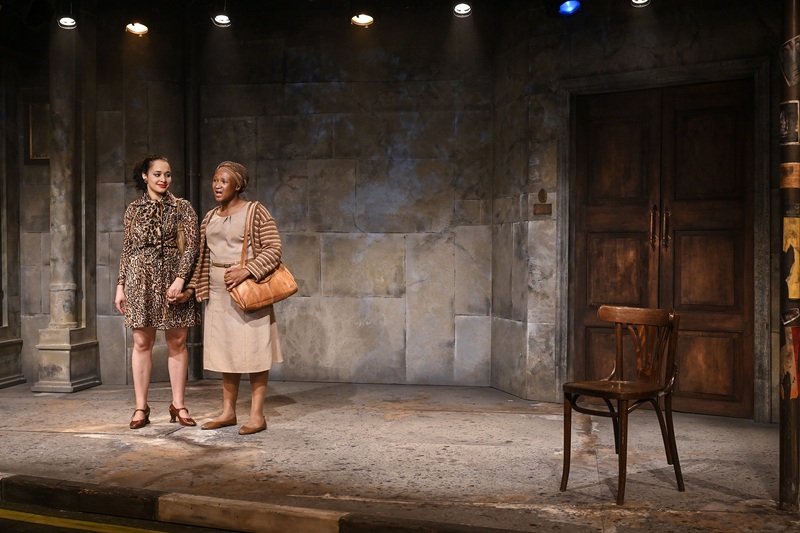
- The Symbol: A single chair. In a world of scarcity, a chair is not just furniture; it is a fortress, a status symbol, and a weapon.
A UCT Powerhouse Collaboration
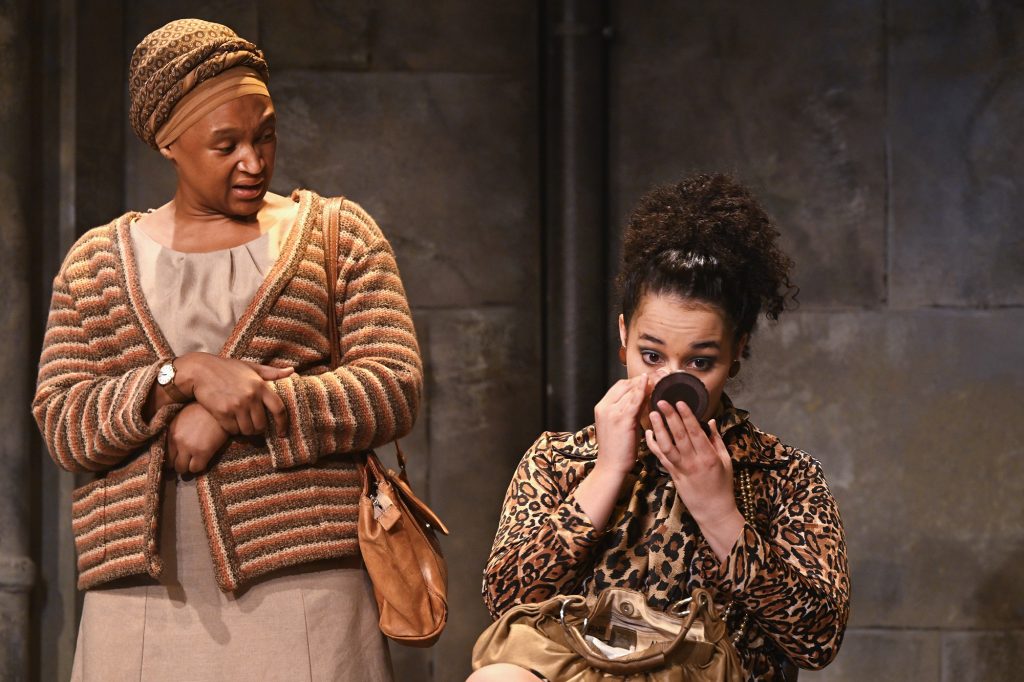
The production serves as a homecoming for three distinguished University of Cape Town (UCT) alumni, bringing stories of the marginalized into historically exclusive theatrical spaces.
| Role | Performer | Background |
| Director | Mdu Kweyama | UCT Movement Lecturer & Zabalaza Theatre Festival Artistic Director. |
| The Woman | Awethu Hleli | UCT Drama graduate & Fleur du Cap winner from Khayelitsha. |
| The Lady | Tamzin Daniels | Baxter resident artist & Best Ensemble award winner. |
“Bringing this story about Black women waiting outside government buildings into this space matters. It says our stories belong here too.” — Awethu Hleli
Character Study: The Mask vs. The Weariness
The play hinges on the friction between two archetypes forced into the same humiliation:
The Lady (Tamzin Daniels)
A sex worker who views her body as a strategic asset. She carries her chair as armor, performing a “refinement” to distance herself from the “others” in the queue. Her illusion of superiority is her survival mechanism.
The Woman (Awethu Hleli)
A former domestic worker with “lived experience in her bones.” She has spent her life cleaning the homes of others only to end up begging the state for rice. Her exhaustion has curdled into a sharp, quiet anger.
The Monotony is Political
Kweyama’s background as a movement lecturer shines through in the play’s physical vocabulary:
- Repetitive Gestures: Actors perform compulsive movements—writing on air, pacing, starting over—to mimic the soul-crushing boredom of bureaucracy.
- Scale of the Set: The warehouse doors loom unnaturally large, making the women appear small and insignificant, mirroring how the state views its citizens.
- The Refusal: The play concludes not with a handout, but with an act of defiance. The women choose each other and their dignity over the rice locked behind the doors.