


In a landmark visit to the University of Cape Town (UCT), Amy Pope, the Director General of the International Organization for Migration (IOM), has challenged South Africa to take its place at the center of the global migration debate.
As the first woman to lead the IOM in its 73-year history, Pope met with academic leaders and government officials to emphasize a singular message: Migration policy must be driven by data and evidence, not by fear or anecdote.
A 30-Year Partnership Reimagined
The relationship between the IOM and South Africa began in the post-apartheid era, originally focusing on helping exiles return home. Today, the focus has shifted toward modern, complex mobility challenges:
- Digital Identity: Streamlining how people are identified at borders.
- Border Management: Balancing national security with the dignity of movement.
- Labour Pathways: Creating legal routes for workers to fill economic gaps.

The Role of the “Global Knowledge Commons”
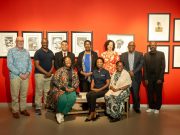
A key highlight of Pope’s visit was a roundtable at the Nelson Mandela School of Public Governance, where she met with scholars from UCT and the University of the Western Cape. The goal was to bridge the gap between rigorous academic research and government policy.
“Migration policy can be driven by anecdote and feeling,” Pope warned. “It is critical that we ground policy in what is happening in real life.”
Why Academic Input Matters:
- Independent Analysis: Researchers provide a non-biased look at whether policies are actually working.
- Diverse Perspectives: Universities create a “safe space” for dialogue between the private sector, communities, and policymakers.
- Elevating African Research: By focusing on local data, South Africa can influence how the African Union and the UN think about mobility.
The 2026 Reality: Drivers of Migration
Pope noted that while the percentage of the world’s population migrating hasn’t changed drastically over the decades, the drivers have evolved.
- Climate Change: Forcing displacement from uninhabitable regions.
- Economic Disparity: People moving from extreme poverty toward “opportunity-rich” economies.
- Urbanization & Youth Unemployment: Domestic pressures that well-managed migration can actually help alleviate.
The Draft White Paper: A “Significant Opportunity”
The South African government is currently advancing its Draft Revised White Paper on Citizenship, Immigration and Refugee Protection. Pope commended the paper for being “sensible and fact-based,” noting that the IOM is ready to provide technical support for its implementation, including:
- Route-based protection approaches.
- Enhanced migration data systems.
- Digital border management tools.
A Message to Young Scholars
To the students and researchers at institutions like UCT, Pope’s message was one of empowerment. As the IOM prepares to launch the World Migration Report later this year, she encouraged the next generation of leaders to pursue interdisciplinary research that protects human dignity while unlocking economic opportunity.