








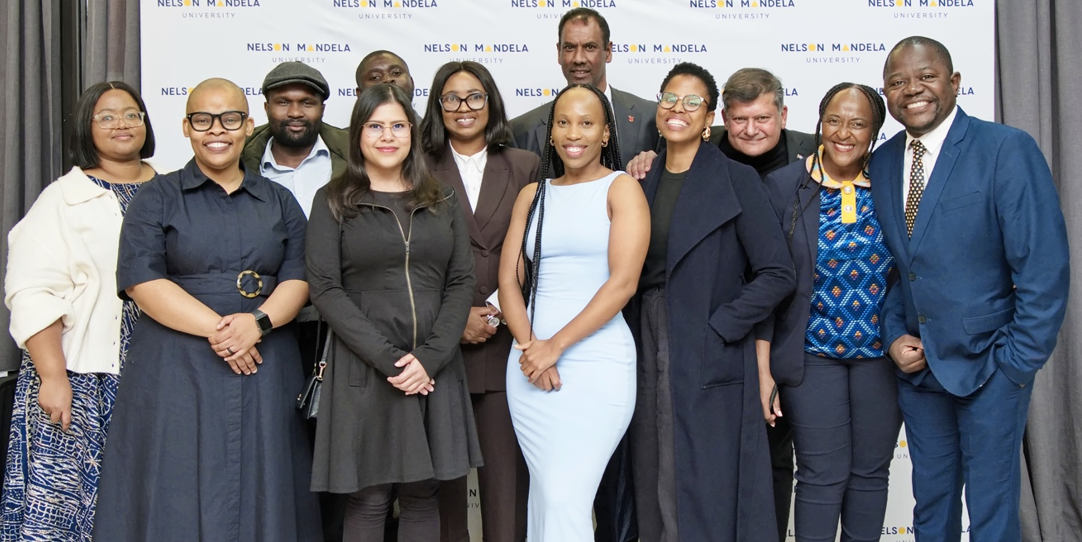
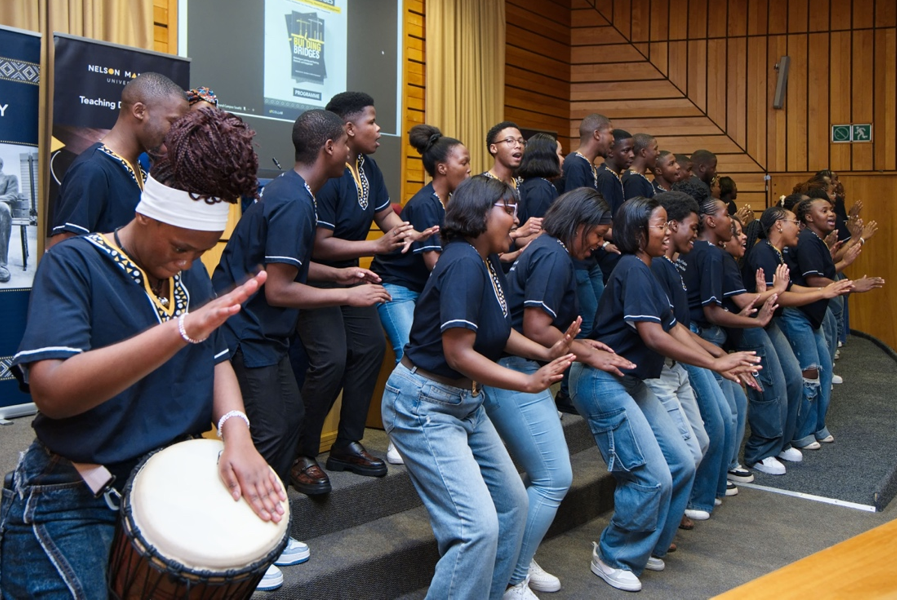
Nelson Mandela University’s Teaching Development Unit, situated within the Learning and Teaching Collaborative for Success (LT Collab), recently hosted the launch of a new edited volume titled Building Bridges: Reflecting on Learning and Teaching, Research and Engagement.
Published by Mandela University Press (MUP) in partnership with African Sun Media, the publication is edited by Dr. Noluthando Toni, Dr. Viwe Ndayi, and Professor Willie Chinyamurindi. The collection gathers insights from 17 academics across seven South African universities to examine the challenge of creating inclusive, supportive spaces in tertiary education.
Core Conceptual Framework
The volume anchors its critical inquiry in Wally Morrow’s (2009) concept of epistemological access. While formal access determines entry into the university system, epistemological access addresses the deeper, systemic challenges of enabling students to meaningfully participate in, comprehend, and master academic knowledge traditions.
Across ten structured chapters, the contributors reflect on the academic identity, early-career development, humanizing pedagogy, and the lingering institutional shocks of the COVID-19 pandemic.
Section-by-Section Structural Overview
                          ┌──────────────────────────────────────────────┐
                          │     BUILDING BRIDGES IN HIGHER EDUCATION     │
                          └──────────────────────┬───────────────────────┘
                                                 │
         ┌───────────────────────────────────────┼──────────────────────────────────────┐
         ▼                                       ▼                                      ▼
┌───────────────────────────┐         ┌───────────────────────────┐         ┌───────────────────────────┐
│   Epistemes of Access     │         │ Philosophies & Teaching   │         │ Collaborations & Community│
├───────────────────────────┤         ├───────────────────────────┤         ├───────────────────────────┤
│ • Language & Cultural Cap.│         │ • Humanising Pedagogy     │         │ • Student Assistants      │
│ • EdTech Divide in TVET   │         │ • Social Entrepreneurship │         │ • Student Research Journals│
│ • Adaptability in Crises  │         │ • Decolonising Curricula  │         │ • Institutional SoTL      │
└───────────────────────────┘         └───────────────────────────┘         └───────────────────────────┘
1. The Epistemes of Access
- Cultural Capital in Pedagogy: Lindiwe Wezizwe Mangisa charts her career transition from tax practitioner to academic, exploring how language and cultural capital can be reconfigured to make specialized fields like taxation education more accessible.
- Educational Technology & Structural Inequality: Dr. Lucky Maluleke, Dlamini, Jacobs, and Dr. Anthony Tolika Sibiya analyze the implementation of learning technologies in the Advanced Diploma in Technical and Vocational Teaching. Their findings highlight how virtual transitions during the pandemic occasionally widened existing socioeconomic divides.
- Humanising Pedagogy in Environmental Health: Dr. Shaun Ramroop evaluates lockdown impacts on environmental health students, advocating for adaptative, human-centered approaches to instruction during times of crisis.
2. Philosophies and Teaching Orientations
- Rural Teacher Education: Kagola, Sathorar, and Geduld apply humanising pedagogy to assessment design, addressing the contextual nuances of rural schooling and socio-economically diverse classrooms.
- Academic Identity & Social Enterprise: Sanele Matomela reflects on teaching social entrepreneurship and the ongoing alignment between individual academic identity and instructional practice.
- Decolonising Management Sciences: Harry and Prof. Willie Chinyamurindi examine management curricula, proposing the use of psychobiographies as an innovative tool to decolonize both research and classroom engagement.
3. Collaborations, Capacitation, and Communities
- Student Assistants as Development Agents: Dr. Viwe Ndayi, Anelisa Pezisa, and Champion evaluate how student assistant roles contribute to academic support structures and assist early-career academics.
- Student Publishing Initiatives: Dr. Lucky Maluleke details the establishment of a student-led academic journal aimed at fostering scholarly writing competencies among undergraduates.
- Curriculum Integration & Evaluation: Mbali’nhle Mohlakoana reflects on course evaluation methodologies within integrated module frameworks.
- Sustaining SoTL Networks: Dr. Noluthando Toni investigates the dynamic between academic developers and teaching faculty, highlighting how collaborative networks preserved instructional continuity during pandemic lockdowns.
Key Stakeholder Perspectives
“Building Bridges is an exploration of the pedagogical, conceptual, and human bridges connecting students with meaningful epistemic development.”
— Dr. Manyane Makua, Senior Director of Learning and Teaching Development, Mangosuthu University of Technology
“This work underscores the role of university presses in keeping knowledge production local, contextually relevant, and affordable, directly challenging the dominant global geopolitics of knowledge.”
— Nirode Bramdaw, Director of African Sun Media and MUP Publishing Partner