




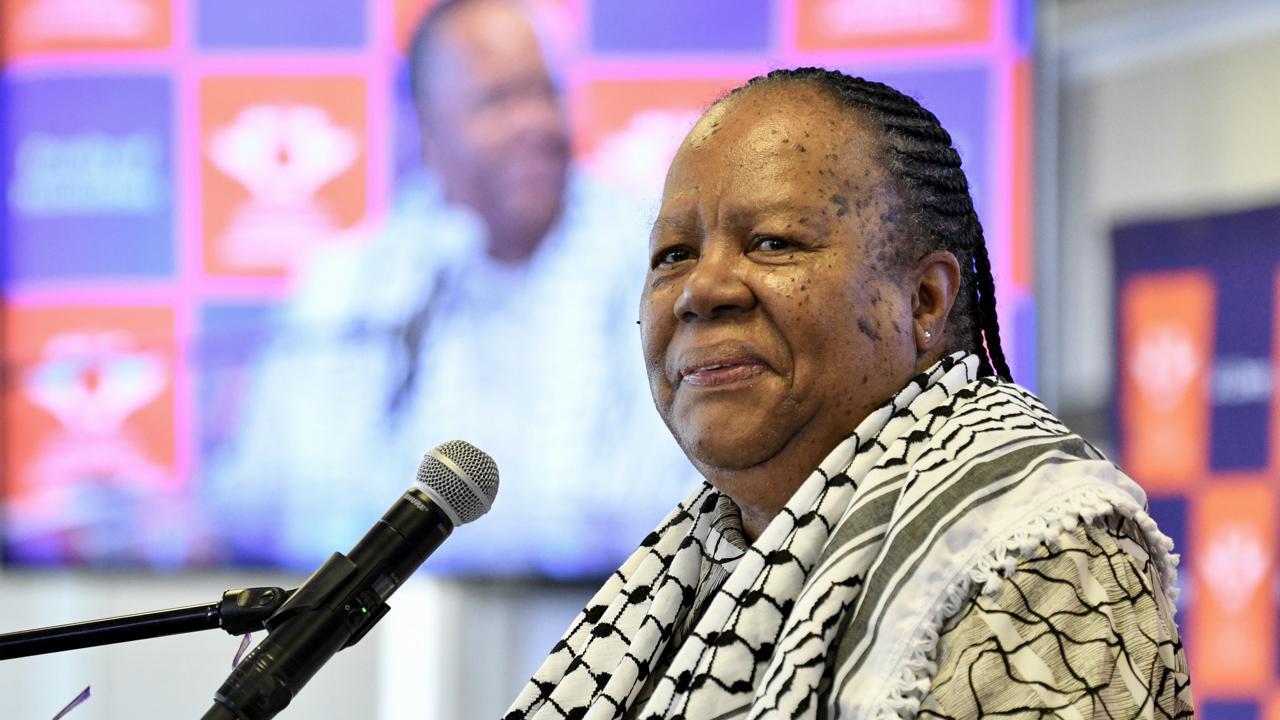
Former Higher Education Minister Naledi Pandor has raised concerns about the development of Akademia University in Pretoria, arguing that establishing a new Afrikaans-medium institution presents important questions about South Africa’s transformation and education landscape.
The ANC stalwart made the comments during an interview with the African Renaissance Podcast, where she discussed the country’s ongoing efforts to move beyond the legacy of apartheid, racism and colonialism.
Pandor, who served as Minister of International Relations and Cooperation from 2019 to 2024 and previously held the Higher Education and Training portfolio, said she was concerned about the emergence of a university specifically intended to operate in Afrikaans.
She questioned the level of support and investment going into the project and argued that South Africans should be paying closer attention to developments that could influence the country’s higher-education landscape.
“The only person speaking out is Jonathan Jansen. The rest of us remain quiet,” Pandor said, warning against what she described as complacency in post-apartheid South Africa.
Her comments have reignited a broader debate around language, access, cultural identity and transformation in higher education.
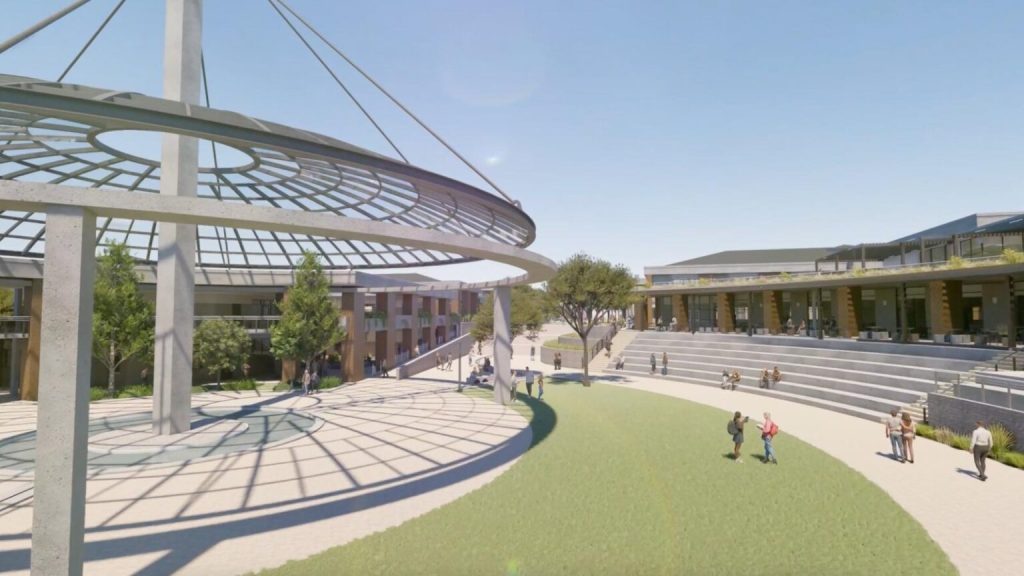
Akademia’s new Pretoria campus
Pandor’s remarks come as Akademia develops a major new campus in Pretoria through a partnership involving Solidarity and Kanton.
The campus, located near Boschkop Road, is planned to accommodate approximately 5,000 undergraduate and 1,500 postgraduate students once fully developed.
The project includes lecture halls, laboratories, research facilities, an auditorium, library, student centre, dining facilities, residences and sports infrastructure. An experimental farm is also planned for programmes in natural sciences and agriculture.
The first phase of construction is estimated at approximately R1.8 billion, while the overall development is expected to exceed R3 billion.
Construction began after the project broke ground in August 2025.
How the campus is being funded
A central part of the debate is how Akademia’s new campus is being financed.
According to Kanton, the institution receives no government subsidy or direct government funding for the campus development.
Funding for the first phase has instead been structured through a combination of equity investment, bank financing and reinvestment by Kanton from its existing property portfolio.
The model also relies on revenue generated through Akademia’s operations, including student tuition and accommodation fees.
This funding structure has become an important part of the discussion surrounding the institution, particularly because it represents a community-supported approach to developing an Afrikaans-medium higher-education institution outside the traditional public university system.
A bigger debate about language and transformation
The controversy surrounding Akademia goes beyond the construction of a new campus.
At its heart is a longstanding South African debate: How should language and cultural identity be protected while universities remain inclusive and aligned with the country’s transformation goals?
Supporters of Afrikaans-medium education argue that communities should be able to preserve and develop their language and culture through education.
Critics, meanwhile, question whether separate language-based institutions risk reinforcing historical divisions in a country still dealing with the educational inequalities created by apartheid.
Pandor’s comments add significant political weight to that debate, given her experience in South Africa’s education and government sectors.
As Akademia continues construction, the institution is likely to remain part of the national conversation about multilingualism, educational choice, transformation and the future of higher education in South Africa.