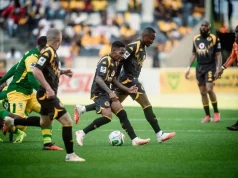




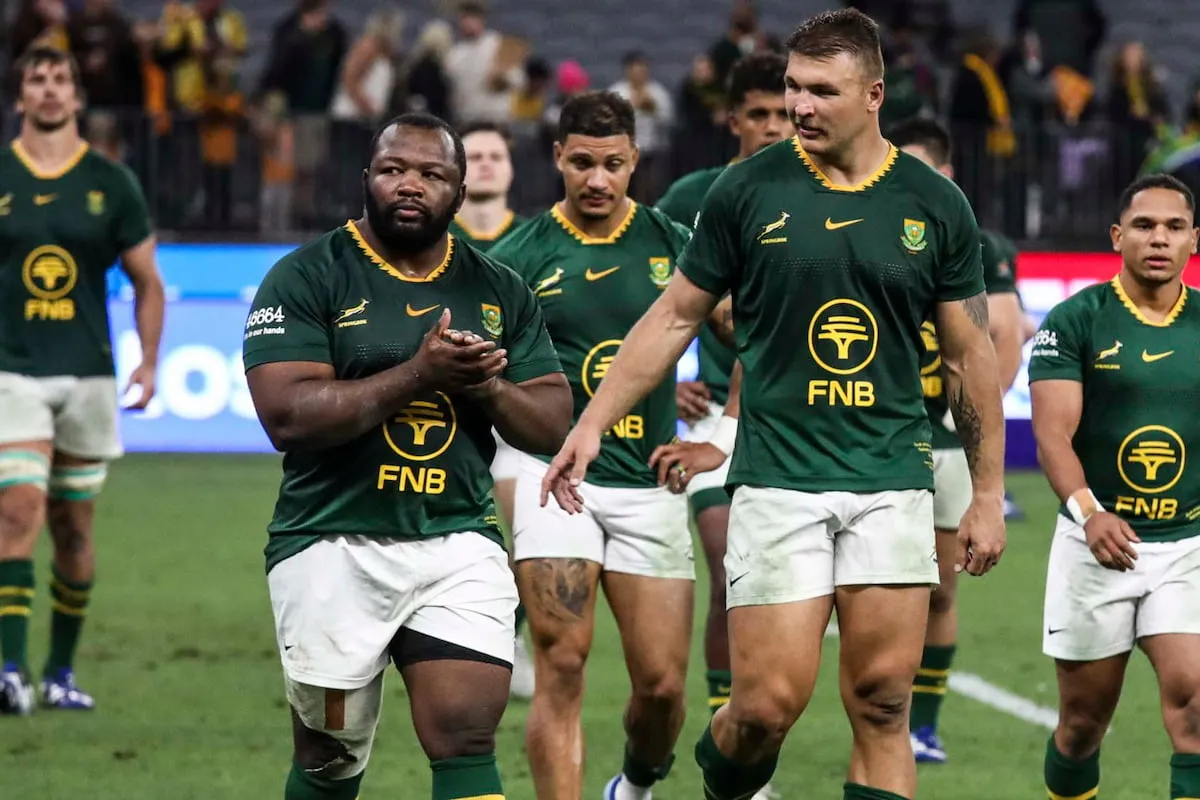
The Springboks suffered a heavy 42-38 defeat to Australia in Perth, but the result needs to be viewed within the bigger picture of South Africa’s long-term plans.
Rassie Erasmus will undoubtedly have been disappointed by the performance, particularly after the Springboks surrendered a substantial lead before mounting a late comeback.
However, the match also provided an important opportunity to assess players outside the coach’s established first-choice group as South Africa builds towards the 2027 Rugby World Cup.
A calculated selection gamble
The Springboks arrived in Perth after a demanding run of matches against New Zealand, with several regular starters given a chance to rest.
That opened the door for fringe players to gain valuable Test experience in a high-pressure environment.
Erasmus acknowledged that the selection involved an element of risk, with players who had not spent much time together being asked to execute the same game plan as a more settled combination.
The result exposed some weaknesses, but it also gave the coaching staff a clearer picture of the depth available to them.
Valuable minutes for fringe players
One of the positives for the Springboks will be the opportunity to assess players such as Paul de Villiers at Test level.
Others entered the match with limited recent game time. Canan Moodie, Handre Pollard and Aphelele Fassi were among those returning from injury, meaning some rustiness was understandable.
The forward pack also featured an inexperienced combination, particularly in the front row, where South Africa did not have the established impact of players such as Ox Nche and Malcolm Marx.
Those factors contributed to a difficult night, but they also provided the coaching staff with information that cannot always be gained during comfortable victories.
Erasmus refuses to hide behind selection
While the Springboks rotated their squad, Erasmus did not use selection as an excuse for the defeat.
He acknowledged that South Africa had taken a calculated risk but accepted that Australia deserved the victory.
The message is significant: the defeat was not simply written off because of the team selection. Instead, the coaching staff can use the performance to identify areas that need attention before the World Cup defence.
The bigger 2027 picture
With the next Rugby World Cup taking place in Australia, gaining experience in the country is another potentially useful element of the Springboks’ preparations.
The Perth defeat also highlighted the importance of building sufficient depth across the squad. South Africa will need more than just its strongest XV if it is to navigate another demanding World Cup campaign.
Jasper Wiese echoed that mindset after the match, suggesting the disappointment could provide additional motivation for the group.
For Erasmus and his coaching staff, the immediate task is therefore not simply to dwell on the defeat, but to determine which lessons can be carried forward.
Springboks have more tests ahead
South Africa’s next major run of fixtures will come in November.
The Springboks are scheduled to face Italy on 7 November, followed by France on 13 November and Ireland on 21 November, before the Nations Championship Finals Weekend in London from 27-29 November.
Those matches will provide further opportunities for Erasmus to refine his squad and establish the combinations he wants heading into the 2027 World Cup.
The Wallabies loss was certainly a setback, but it has also given the Springboks another competitive test from which to evaluate their depth, combinations and readiness for the challenges ahead.