









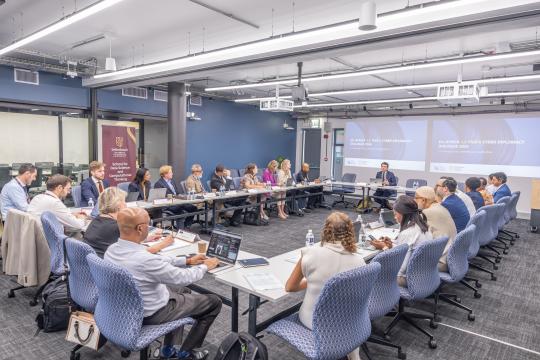
Stellenbosch University (SU) recently solidified its role as a leader in digital security by hosting the EU–Africa Track 1.5 Cyber Diplomacy Dialogue. This landmark event, held on February 3 and 4, 2026, brought together key stakeholders from government, industry, academia, and civil society to address pressing cybersecurity challenges facing both continents.
Organized by SU’s School for Data Science and Computational Thinking, the dialogue served as a crucial platform for establishing long-term cybersecurity cooperation between the European Union and the African Union.
Fostering Cross-Continental Collaboration
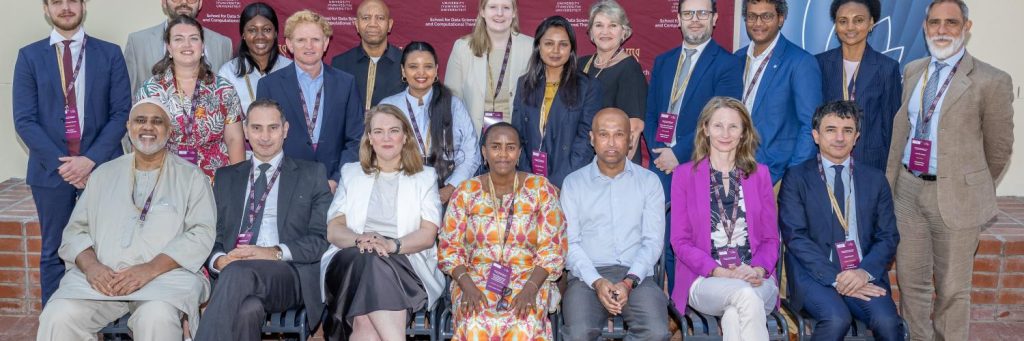
The Track 1.5 format allowed for open, frank discussions combining official government perspectives with expert insights from various sectors. Key participants included representatives from:
- The European Union and African Union
- EU Cyber Direct
- Southern African Development Community (SADC)
- Diplomatic corps, including Ambassadors from Austria and Italy
Key Themes and Strategic Initiatives
Discussions focused on navigating the rapidly digitizing global landscape, specifically highlighting:
- Responsible State Behaviour: Defining norms for actions in cyberspace.
- Digital Transformation: Leveraging technology while ensuring security.
- Capacity Building: Identifying opportunities for joint training and infrastructure development.
“This event is a milestone moment for EU–Africa cyber cooperation.” — Manon le Blanc, EU External Action Service.
Simulation Exercises and Infrastructure Insights
The dialogue was not merely theoretical; it included a cross-continental cybersecurity response scenario exercise. This exercise provided valuable insights into crisis management architectures and highlighted areas for capability development during systemic cyber events.
Delegates also visited a submarine cable landing station on the West Coast to understand the infrastructure underpinning global marine cable networks—a critical component of international connectivity.
This dialogue establishes a historic platform for future collaboration, enabling African nations to leverage initiatives like the EU’s Global Gateway Project to strengthen their cybersecurity capabilities.