








As South Africa navigates rising fuel costs and the urgent need to decarbonize, the University of Johannesburg (UJ) is taking proactive steps to lead the national transition to electric mobility. Through the Centre for Automotive & Electric Vehicle Innovation (CAEVI), UJ is establishing a multidisciplinary platform dedicated to real-world implementation, green industrialization, and sustainable engineering.+1
Hosted within the Faculty of Engineering and the Built Environment, CAEVI bridges the gap between theoretical research and actionable solutions, focusing on electric vehicle (EV) adoption, local manufacturing, and technical skills development.
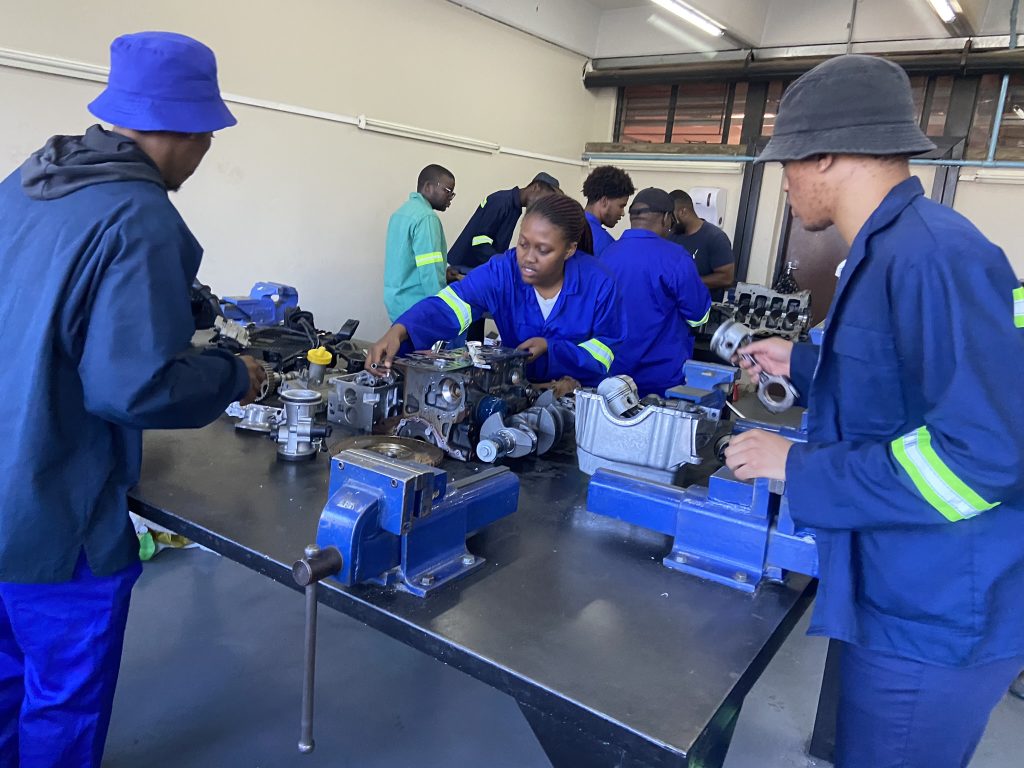
Action-Driven Innovation
CAEVI is far more than a conventional research facility; it is an action-driven platform designed to tackle the urgent transition from internal combustion engines to a sustainable ecosystem.
“South Africa cannot afford to be a spectator in the global EV revolution. We must develop local solutions, build local skills and create a mobility system that is cleaner, more affordable and inclusive.” — Dr. Samuel Gqibani, Director of CAEVI.
Confronting Barriers with Local Solutions
To address the high costs of imported EVs, CAEVI is advancing conversion engineering, transforming existing petrol and diesel vehicles into electric alternatives. This practical approach:
- Reduces lifecycle emissions.
- Extends vehicle lifespan.
- Provides a cost-effective pathway for public transport and logistics operators.
A flagship project involves the full conversion of a petrol-powered tuk-tuk into an electric vehicle. This initiative responds directly to affordability challenges, proving that electric mobility can be designed, engineered, and assembled locally.
Research and Impact Areas
CAEVI’s multidisciplinary research spans the full electric mobility ecosystem, ensuring technological innovation translates into national competitiveness:
| Focus Area | Description |
| Battery Diagnostics | Advanced diagnostics and thermal management for battery safety. |
| Second-Life Batteries | Re-purposing batteries for sustainable applications. |
| Vehicle-to-Grid Systems | Smart integration between vehicles and the national power grid. |
| AI Management | Artificial Intelligence-powered platforms for vehicle management. |
A Just and Inclusive Transition
UJ’s commitment extends beyond research to tangible environmental action, including the introduction of electric buses across its campuses. CAEVI is strengthening this momentum by ensuring that electrification efforts are technically robust and economically sustainable.+1
Dr. Gqibani outlines ambitious goals for the next five years:
- Supporting at least 10 municipalities with EV infrastructure planning.
- Contributing to the conversion of more than 200 vehicles through pilot programmes.
- Training more than 1,000 youth and technicians annually through technical bootcamps and certifications.
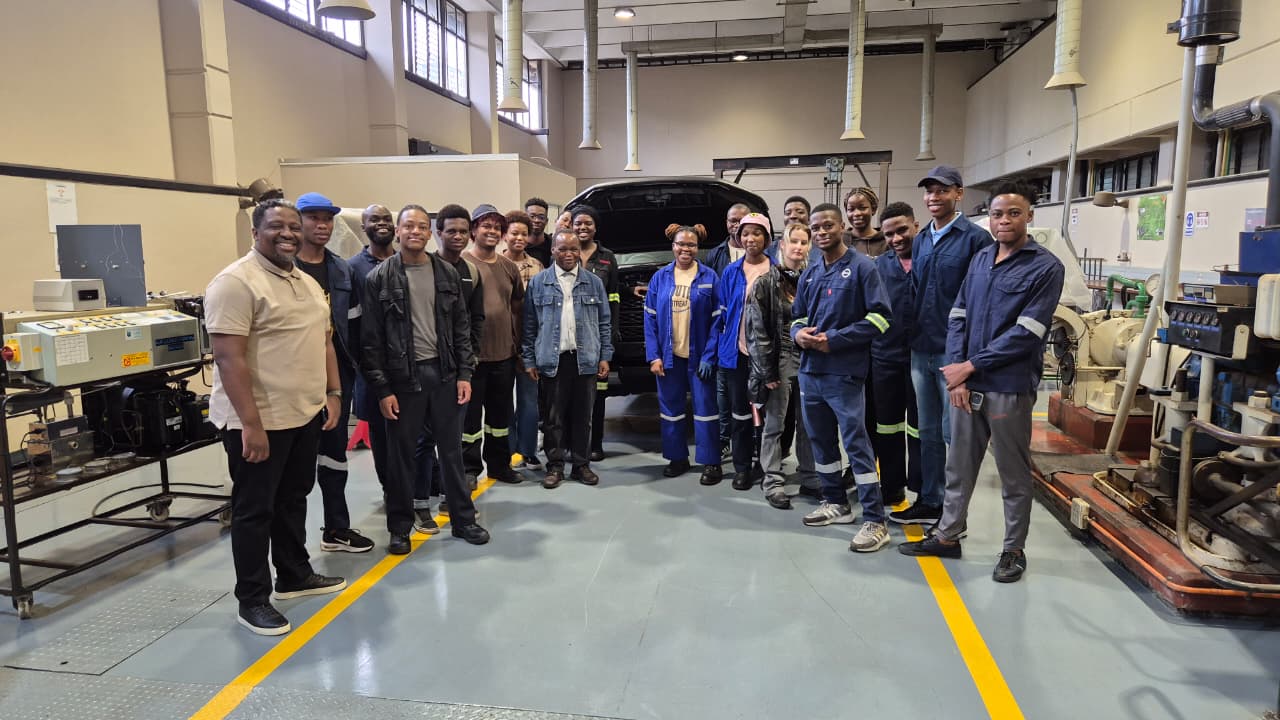
CAEVI operates in collaboration with industry partners including Nissan South Africa, the Automotive Industry Development Centre (AIDC), and various educational institutions, ensuring a holistic approach to South Africa’s green energy future.