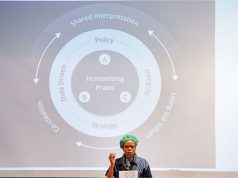
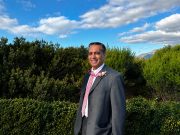
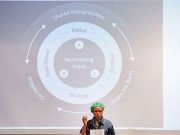




In an era increasingly defined by geopolitical conflict and the erosion of international norms, Hon. Dr. Ela Gandhi—granddaughter of Mahatma and Kasturba Gandhi—delivered a powerful call for a return to moral courage. Speaking at the fourth UNESCO REDS lecture at the Stellenbosch Institute for Advanced Study (STIAS) on March 17, 2026, Dr. Gandhi explored how the timeless principles of nonviolence can counter the “might makes right” logic of modern power politics.
The dialogue, titled “Gandhian values today: right versus might in a time of power politics,” was a collaborative effort between Stellenbosch University (SU) and St Edmund’s College, Cambridge.
The “Superpower of Goodness”
Dr. Gandhi’s address pivoted away from traditional definitions of military or economic strength, focusing instead on what she termed the “superpower of goodness.” This power is built on spiritual, moral, humane, and environmental foundations.
Drawing on the work of historian Ramachandra Guha, she outlined ten pillars of modern Gandhian relevance, including:
- Satyagraha (Nonviolent Resistance): Choosing principled action over physical force.
- Interfaith Harmony: Building bridges across religious and cultural divides.
- Environmental Consciousness: Promoting sustainable, nature-based living.
- Self-Reliance: Advocating for local production and small-scale agriculture.
- Empathy for Opponents: The radical discipline of listening to and respecting those with whom we disagree.

The Role of the Modern University
The event emphasized that universities are not just factories for knowledge but are responsible for shaping the values of future leaders.
- Prof. Richard Stevens (SU): Noted that the “arc of the moral universe” only bends toward justice when individuals choose to act with conviction.
- Prof. Alain Tschudin (UNESCO Chair): Highlighted the need to build “defenses of peace” in the minds of people, particularly through the often-overlooked moral leadership of women like Kasturba Gandhi, Maria Montessori, and Nokukhanya Luthuli.
A Living Conversation on Peace
The dialogue moved beyond theory into the practical challenges of 2026, with participants and Dr. Gandhi addressing:
- Media Polarisation: The need for independent media to offer nonviolent alternatives to divisive dominant narratives.
- Youth Engagement: Empowering the next generation to choose collaboration over conflict.
- Nature-Based Living: Exploring the potential of Ayurveda and environmental respect as tools for global peace.
Dr. Gandhi’s final message to the audience was one of persistent discipline: never give up on nonviolent solutions, even when they require deep personal sacrifice.
About the Speaker: Hon. Dr. Ela Gandhi
- Background: Qualified social worker and anti-apartheid stalwart.
- Public Service: Former Member of Parliament in South Africa and Chancellor of the Durban University of Technology.
- Global Leadership: Co-Executive President of Religions for Peace, the world’s largest interfaith body.