









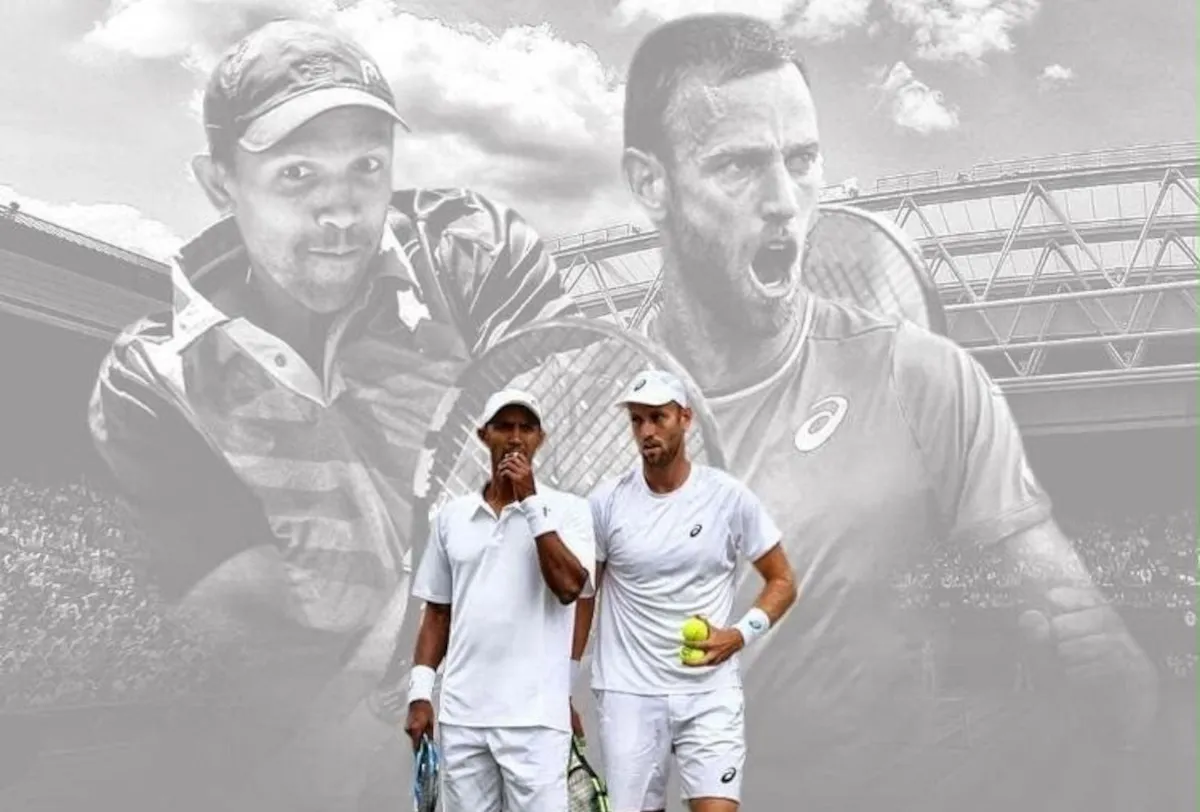
Tennis is notoriously one of the loneliest sports in the world. With no teammates to pass to, no mid-game substitutions, and no timeouts to regroup, a player’s greatest enemy is often the space between their own ears.
Two-time Grand Slam doubles finalist turned elite coach Raven Klaasen sat down at Roland Garros to break down the thin line that separates good players from the sport’s true greats. His verdict? It all comes down to how you handle the squeeze.
“Our whole sport is about how you respond to adversity. If you can run, hit, and handle pressure, you can be good at tennis.”
For Klaasen, scouting the next generation of talent isn’t just about spotting a flawless backhand or a lethal serve. It’s about watching a junior player’s emotional response when a call goes against them, a shot flies wide, or a match starts slipping away.
The Ultimate Junior Trap: The Comparison Crisis
In an era dominated by social media highlights, instant ranking updates, and digitized validation, Klaasen warns that young athletes are falling into a toxic trap.
“Comparison is the thief of joy,” Klaasen notes, emphasizing that athletic development is never a straight line. One player might find the perfect coaching chemistry early on, while another undergoes a late physical growth spurt. Forcing players into a one-size-fits-all timeline—especially in a diverse sporting landscape like South Africa—is a recipe for burnout.
The Myth of the “Fearless” Pro
One of Klaasen’s most refreshing insights dismantles the illusion of the cold, fearless professional. If you think the player across the net is perfectly calm, you’re wrong. They are just as terrified as you are.
According to Klaasen, elite tennis players don’t miraculously transform into superheroes under pressure; they simply mitigate their decline. The best players in the world ensure their baseline game doesn’t fall apart when the stakes rise.
The rare, modern exception to this rule? Carlos Alcaraz. Klaasen points to the young Spaniard as a unique anomaly who genuinely seems to unlock an extra level of joyful freedom when the pressure is dialed to the maximum.
Evolving the Game Below the Equator
Looking ahead, Klaasen is fiercely optimistic about the raw athletic talent residing in South Africa. However, unlocking it requires a fundamental shift in how coaches are trained.
The modern game has outgrown purely technical coaches. The future belongs to mentors who can double as psychological guides—building deep trust, mastering communication, and equipping young athletes to survive the intense mental warfare of the professional tour.