








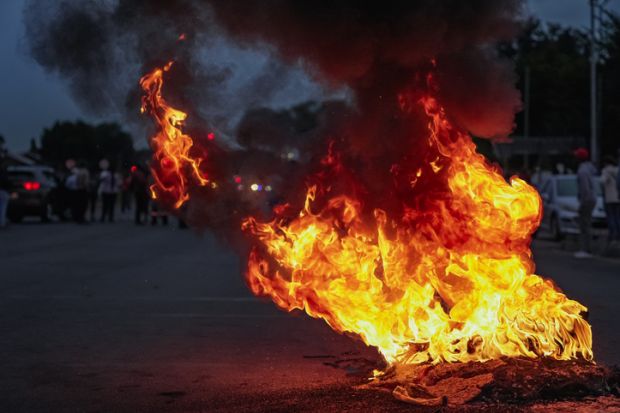
Ten years after the historic #FeesMustFall movement brought higher education policy to a standstill and forced university funding into the center of South Africa’s political debate, thousands of students remain locked out of higher education.
Despite major policy overhauls and increased state allocations since 2016, the systemic flaw known as the “missing middle” gap continues to trap students who are too wealthy to qualify for NSFAS bursaries, yet far too poor to afford skyrocketing tuition and accommodation fees.
The Anatomy of the ‘Missing Middle’ Trap
The core structural breakdown in South Africa’s tertiary education funding model stems from rigid income thresholds:
- NSFAS Household Limit: Strictly caps eligibility at an annual household income of R350,000.
- Commercial Credit Barriers: Households earning between R350,000 and R600,000—often working-class families, nurses, teachers, and public servants—do not qualify for state bursaries, yet lack the credit profiles required for commercial bank student loans.
- Accumulated Debt: Unpaid fees prevent students from registering for subsequent academic years or receiving their graduation certificates, halting their entry into the professional workforce.
Policy Promises vs. Economic Reality
While the Comprehensive Student Funding Model announced by the Department of Higher Education aimed to introduce concessional loan schemes for this demographic, implementation hurdles and limited capital funds have left large cohorts stranded at the start of each academic year.
A decade on from the student-led rallies that demanded free, quality higher education, the fundamental question remains unresolved: Can South Africa build a sustainable tertiary funding model before another generation of talent is left behind?