








Senior academics and research leaders at the recent Advancing Early Career Researchers and Scholars (AECRS) Workshop called for urgent, deeper reforms within South Africa’s higher education system. While acknowledging the value of the AECRS programme, speakers emphasized that structured support, collaboration, and comprehensive system changes are necessary to strengthen postgraduate pathways and retain future scholars.
The workshop, hosted by Universities South Africa (USAf) with the support of the Department of Science, Technology and Innovation (DSTI), took place from November 27–28, 2025.
Key Takeaways and Calls of Action
1. Emphasizing Structured Systems and Mentoring Dr. Andrew Kaniki, Academic Advisor to the Future Professors Programme, delivered a keynote address stressing the critical need for structured systems to support academic careers. He specifically highlighted the role of:
- Effective mentoring and professional development to make early-career researchers feel valued and supported.
- National collaboration and shared institutional support as essential tools to overcome long-standing sector challenges.
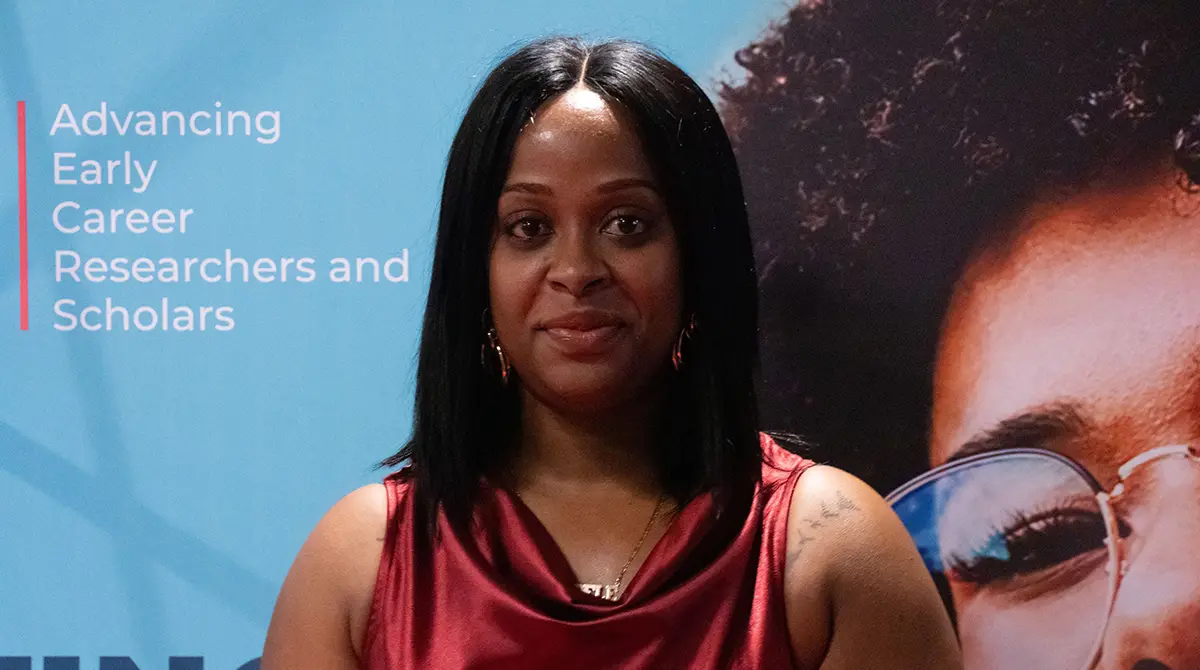
2. Acknowledging the Utility of Shared Platforms Participants praised the AECRS programme’s platforms—Thuso Connect (for mentoring) and Thuso Resources (for academic tools)—as vital for collective progress and bridging gaps. Ms. Adele Robinson, a PhD candidate, noted that the platform helped her build professional connections and meet “academics going through the same journey.”
3. Addressing Institutional and Administrative Constraints Despite the support for national platforms, delegates warned that the problems run deeper than resource sharing. Researchers highlighted several institutional constraints needing reform:
- Curriculum planning and administrative systems.
- Access to quality supervision.
- The need for more strategic university planning and academic management structures that actively support postgraduate work.
4. Lessons from High-Pressure Environments Discussions drew lessons from the COVID-19 period, where pressures on research output and productivity escalated. Mr. Carlos da Silva, a DHET–nGAP graduate, noted that “pressure for productivity increased during CoViD-19,” underscoring the need for systemic support to manage high expectations.
The Conclusion: National Collaboration is Non-Negotiable
The overarching message was clear: without sustained, coordinated national structures for postgraduate support, universities will struggle to retain the next generation of scholars.
USAf CEO Dr. Phethiwe Matutu confirmed that the next phase of AECRS, finalized in 2026, will continue to prioritize:
- Platform development and expansion.
- National collaboration.
- Retaining emerging scholars within the university system.
The workshop concluded with a firm commitment to building national mechanisms for collaboration and capacity-building, recognizing that this coordinated reform is essential for the future of research capacity.