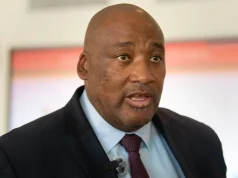









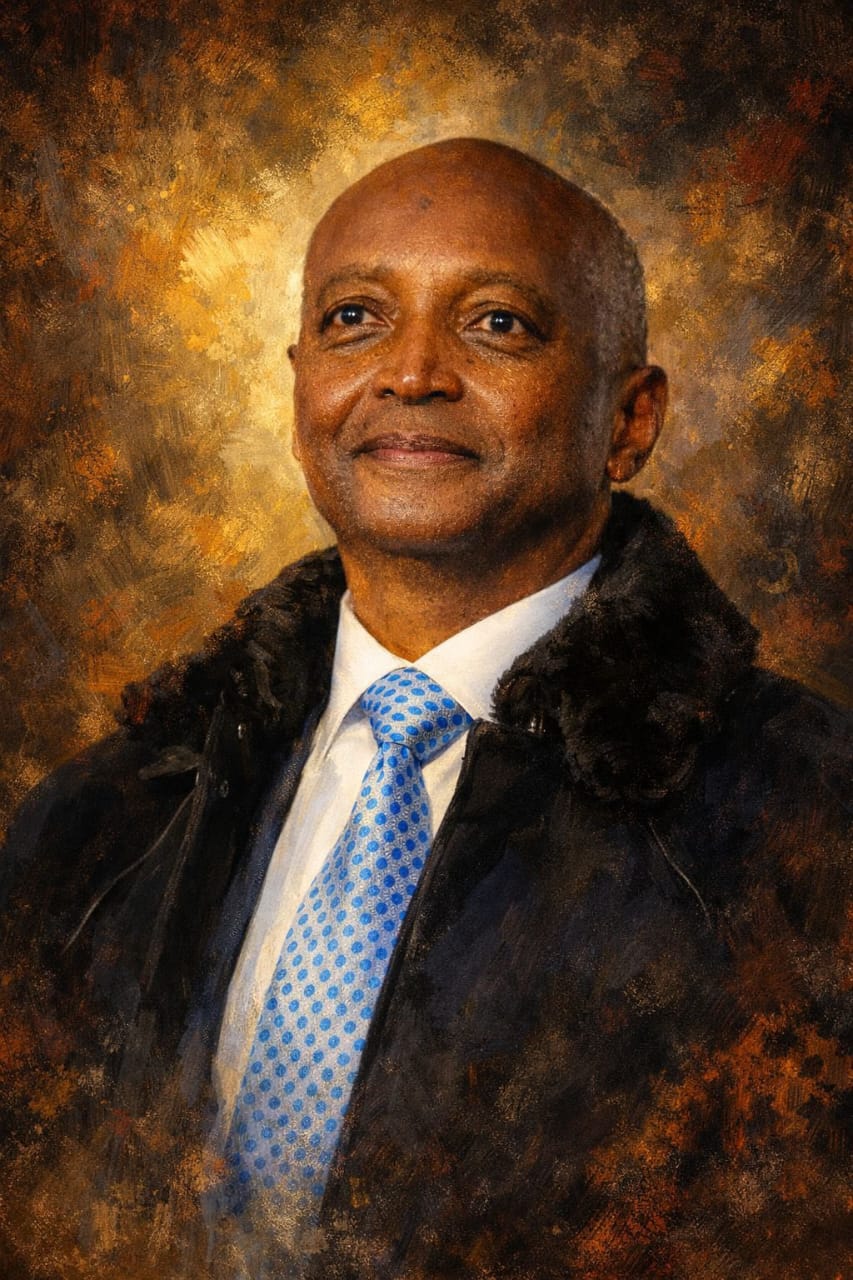
The Minister of Sport, Arts, and Culture, Gayton McKenzie, has taken to X (formerly Twitter) to issue a stern warning against what he describes as a “concerted, well-funded campaign” designed to tarnish the reputation of CAF President Patrice Motsepe.
As Motsepe continues his second term (having been re-elected unopposed in March 2025), McKenzie’s bold statement reinforces the South African government’s firm stance behind the man credited with the financial and structural rebirth of African football.
The Tweet: Standing with the Impactful Leader
Minister McKenzie’s message was clear: African football’s progress is under attack by shadow figures, but the support for Motsepe remains unbreakable.
“We are aware of a concerted, well-funded campaign by some individuals to undermine the great work of Patrice Motsepe, the most impactful CAF President in its history, who has raised every standard across African football. We remind them that we stand firmly with him.”
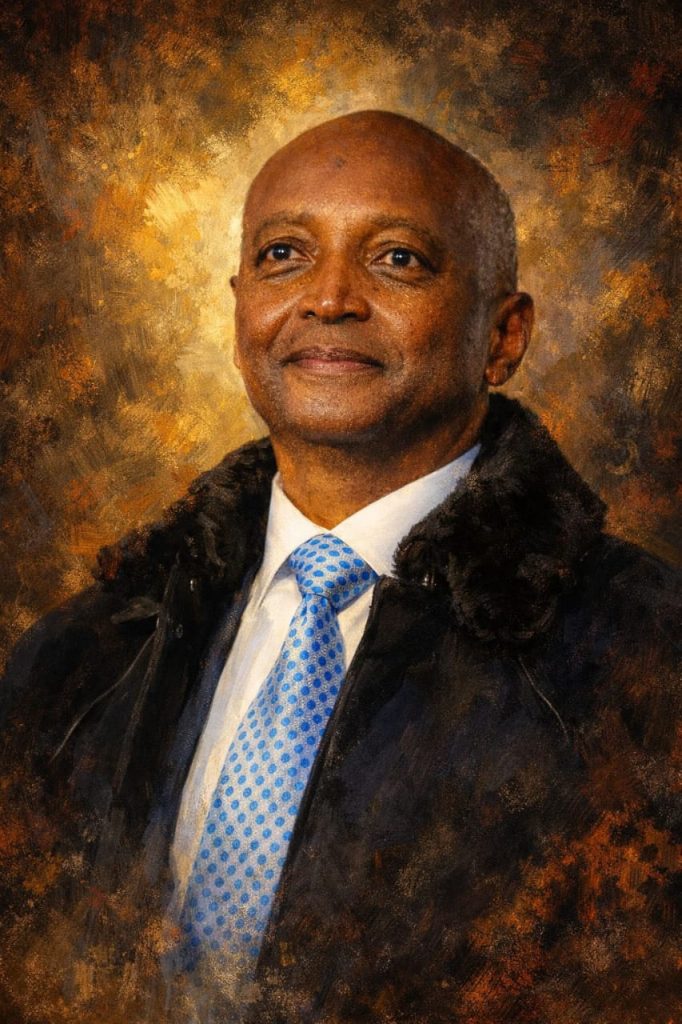
Why the Outcry? The “Motsepe Effect” Explained
McKenzie’s defense comes at a time when Motsepe’s reforms—though widely praised—have faced recent pushback from some quarters regarding the new 4-year AFCON cycle and the introduction of the African Nations League.
However, McKenzie points to Motsepe’s undeniable track record of success since 2021:
- Financial Resurrection: Under Motsepe, CAF reduced its deficit from $45 million to a net profit of $9.48 million in the 2023–2024 financial year.
- Prize Money Surge: Prize pools for AFCON, WAFCON, and the CAF Champions League have seen increases of up to 150%, ensuring clubs and nations are better rewarded.
- Global Respect: The 2025 AFCON in Morocco was broadcast in 180 countries, cementing the tournament as a premier global sporting event.
- Governance Reform: Motsepe’s “Zero Tolerance” for corruption and his push for independent, world-class officiating (including the expansion of VAR) have raised the league’s integrity.
The “PM27” Rumors & Political Noise
Minister McKenzie’s tweet also serves to silence noise surrounding Motsepe’s perceived influence. While critics have tried to frame Motsepe as being “in the pocket” of FIFA or even eyeing South African political office (the so-called “PM27” campaign), McKenzie’s defense refocuses the narrative on footballing excellence and continental unity.