




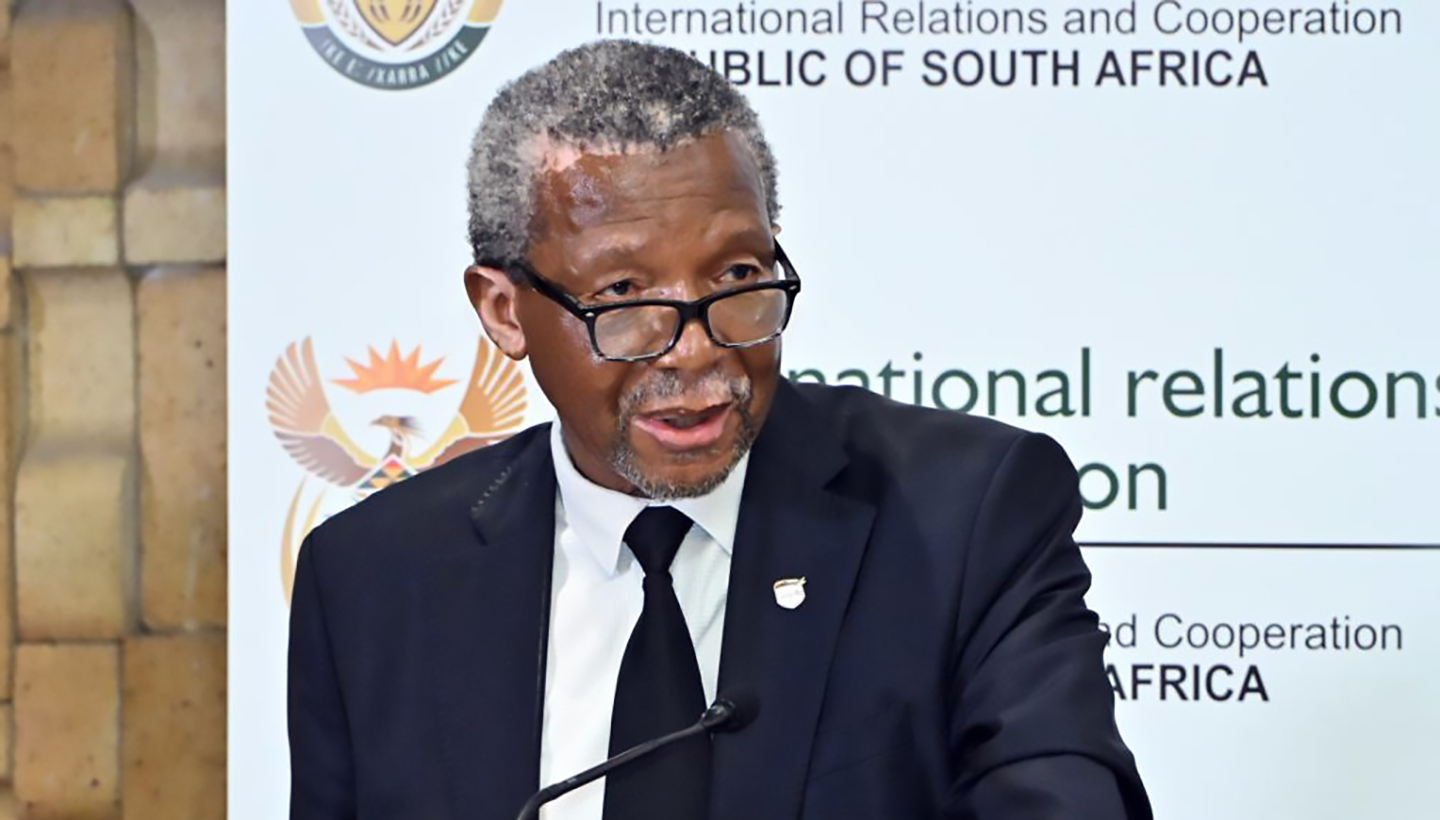
As tensions across the Middle East continue to dominate the global discourse, the University of South Africa (Unisa), in partnership with the Department of International Relations and Cooperation (DIRCO), hosted a critical roundtable on April 8, 2026. The dialogue, themed “International law, diplomacy, and multilateralism for peace in the context of war: Iran and the Middle East,” brought together an assembly of diplomats, humanitarian experts, and academics to interrogate the breakdown of international order.
A Plea for Humanitarian Integrity
Professor Solomon Magano, Unisa Vice-Principal of Institutional Development, opened the session with a sobering reflection on the erosion of humanitarian protections. Citing the Geneva Conventions of 1949, Magano highlighted the alarming trend of hospitals and schools becoming casualties of war.
“Even international laws agreed upon by states are not being enforced,” he noted. “There is an increasing trend of schools, institutions of higher learning and hospitals being attacked… these are considered grave breaches of the Geneva Conventions and international humanitarian law.”
Magano urged the academic and diplomatic communities to empower institutions like the International Court of Justice (ICJ) and the International Criminal Court (ICC) to move beyond rhetoric and assert their authority in curbing current geopolitical hostilities.
The UN Under Siege
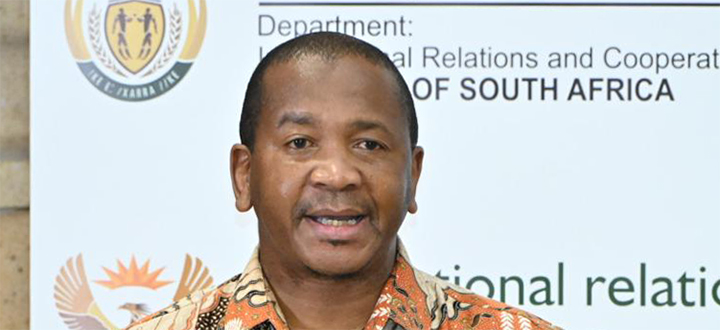
Ambassador Xolisa Mabhongo (DIRCO) took a stern look at the state of global governance as the United Nations marks its 80th anniversary. Echoing the sentiments of UN Secretary-General António Guterres, Mabhongo warned that the world is witnessing an “assault on the purposes and principles of the UN Charter.”
Mabhongo emphasized that the “might-is-right” approach currently manifesting in Middle Eastern conflicts is deeply destabilizing. “When the law of power replaces the power of law, the consequences are deeply destabilising,” he stated. He reiterated South Africa’s commitment to a multilateral system that protects the territorial integrity and sovereign equality of all nations, regardless of their size.
Historical Trauma and External Intervention
Keynote speaker Ambassador Ebrahim Saley provided essential historical context, tracing the current volatility back to decades of colonial influence and external intervention. He pointed specifically to the 1953 Iranian coup—backed by the U.S. and the U.K.—as a pivotal moment that dismantled democratic governance and paved the way for modern authoritarianism in the region. Saley argued that these historical traumas are foundational to understanding the current psychological and geopolitical landscape of the Middle East.
Bridging Theory and Action
The roundtable concluded with a multi-disciplinary panel discussion featuring experts from the International Committee of the Red Cross (ICRC) and the Institute of Disarmament and Arms Control. The panelists tackled complex issues including:
- The urgent need for nuclear disarmament.
- The strategic significance of the Strait of Hormuz.
- The legal mechanics governing the ICC and ICJ.
By hosting such dialogues, Unisa reaffirms its role as a key thought-leader in foreign policy. In an era of increasing global fragmentation, these platforms are vital for moving beyond mere observation and toward actionable policies that prioritize diplomacy over destruction.