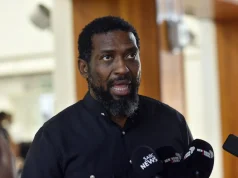







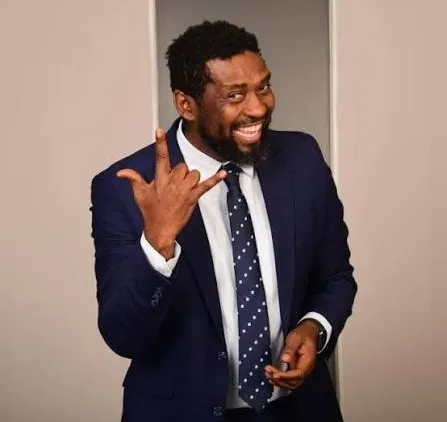
Higher Education and Training Minister Buti Manamela has urged South Africa to rethink what its universities are for, calling for a renewed national conversation on their intellectual direction and public purpose.
Beyond funding and governance
Delivering the keynote at a national webinar on the Intellectual Directions of Higher Education in South Africa, Manamela said the sector must look past immediate pressures such as funding, student debt, governance and institutional stability to a more basic question: what is the South African university meant for? He argued that a university is not a certificate factory, a recruitment agency for employers or a consultancy to the state, but a place where knowledge is discovered, accepted wisdom is challenged and society learns to imagine a different future.
He spoke in conversation with Professor Sibongile Muthwa of Nelson Mandela University, Professor Linda Meyer of Rosebank College and Professor Hester C Klopper of the University of the Free State.
Four priorities for the future
Acknowledging gains in access, a more representative student body and internationally recognised research institutions, the Minister set out four priorities:
- Renewing public purpose. Universities should prove their worth through their contribution to society, not only through qualifications and research outputs, while academic freedom and independent inquiry are protected.
- Sustainable financing and equitable access. Student funding and institutional sustainability must be tackled together, since protecting access while weakening the institutions that educate students would undermine the system.
- AI and the future of knowledge. Graduates must be able to think critically, test evidence and exercise ethical judgement in an AI-driven world, and Africa should build and shape emerging technologies rather than depend on systems made elsewhere.
- Intellectual transformation and decolonisation. He called for stronger African scholarship, multilingualism and the meaningful integration of African knowledge traditions into teaching and research, without retreating from global engagement.
Protecting the academic profession
Manamela also stressed the need to protect academics, support emerging scholars and recognise the essential role of the humanities, arts, sciences and technology in national development.
A question for the sector
He closed by asking whether, knowing what we now know about inequality, AI, climate change, the future of work and the unfinished work of democracy, we would design the current university system today, and if not, what must change and what must be protected. The future of higher education, he said, must be shaped jointly by government, universities, students, academics, workers and society.
What to watch next
Look for follow-up policy detail on student funding, AI in the curriculum and African-language teaching, and for responses from university leaders and student bodies.