









Hearing loss is often treated as an inevitable part of getting older, but growing research suggests it deserves far more attention when it comes to protecting brain health and reducing the risk of dementia.
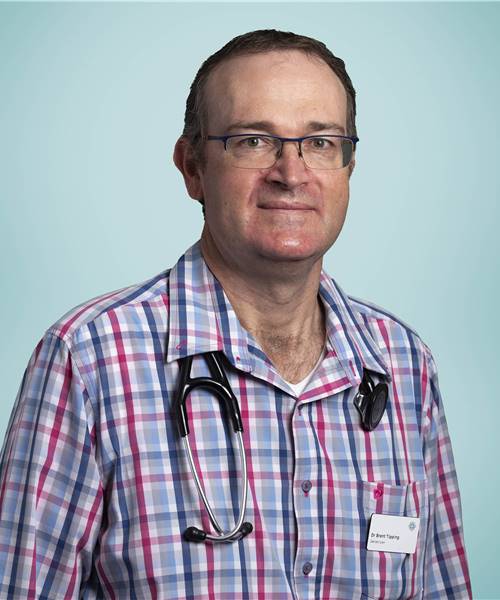
Dr Brent Tipping, a geriatrician at Wits Donald Gordon Medical Centre (WDGMC), says hearing loss is associated with more than double the odds of dementia. Visual impairment affecting both near and distance vision has also been linked to increased risk.
Research involving older adults in Mpumalanga has added to the evidence highlighting the importance of hearing and vision as part of healthy ageing.
Hearing and vision are part of brain health
Tipping previously co-authored research examining the relationship between hearing, vision and dementia among 567 older adults in Agincourt, Mpumalanga.
The participants were drawn from the Health and Ageing in Africa: A Longitudinal Study of an INDEPTH Community in South Africa (HAALSI).
While the research does not prove that hearing loss directly causes dementia, or that treating hearing impairment will prevent the condition, it reinforces the importance of identifying and addressing hearing and vision problems as people age.
The message is particularly relevant because some dementia risk factors can be modified.
Dementia prevention starts long before old age
Protecting cognitive health is not something that begins when a person reaches their later years. Tipping emphasises that dementia prevention is a lifelong process.
Managing blood pressure, cholesterol, diabetes and weight, remaining physically active and avoiding excessive alcohol consumption can all contribute to healthier ageing.
Medication should also be considered when older adults experience confusion or difficulties functioning during the day. Some sleeping medicines and other drugs can contribute to problems with alertness and cognition, making medication reviews an important part of geriatric care.
Tipping compares the brain to an overloaded plate, where work pressures, family responsibilities, anxiety and poor sleep can combine to overwhelm a person’s ability to concentrate.
Forgetfulness can have many causes, but persistent or worsening changes should not simply be dismissed as normal ageing.
Learning remains important throughout life
The Lancet Commission estimates that addressing 14 modifiable risk factors could prevent or delay around 45% of dementia cases worldwide.
Education also plays an important role. Access to quality education during childhood can influence cognitive resilience later in life, making inequalities in educational opportunities particularly significant in South Africa.
However, cognitive stimulation does not necessarily mean spending hours doing puzzles.
“Learning is lifelong. You don’t need to do crosswords or sudoku if you don’t enjoy them. Learning a new skill or pursuing any absorbing interest is good enough,” Tipping says.
South Africa faces a shortage of geriatric specialists
The need for specialised care comes as South Africa faces a limited supply of geriatric specialists.
WDGMC has a dedicated geriatrics service and forms part of the Wits Division of Geriatric Medicine, which Wits describes as the largest training and service delivery centre for the speciality in sub-Saharan Africa.
According to Tipping, there are currently only two funded training posts nationally, one of which is supported by the Donald Gordon Foundation.
Tipping and Dr India Butler have previously called for greater investment in university training units and research focused on the needs of South African communities.
Geriatric medicine also involves helping doctors in other healthcare settings understand the complexities of caring for older patients, including frailty, memory problems and medication-related challenges.
Dementia affects entire families
Dementia does not only affect the person diagnosed with the condition. As the illness progresses, family members often take responsibility for tasks that the person previously handled independently, including driving, preparing food and managing medication.
Tipping describes this as a reversal of the independence people develop throughout their lives.
For families, the emotional and practical demands can become significant. A person living with dementia may remain comfortable while their caregiver carries much of the responsibility for maintaining that quality of life.
Supporting caregivers is therefore an essential part of dementia care.
The challenge is expected to grow. A Global Burden of Disease study projected that the number of people living with dementia worldwide could rise from approximately 57 million in 2019 to 153 million by 2050, driven largely by population growth and ageing.
In South Africa, the impact can extend across generations, particularly in communities where older people help raise grandchildren and support households through their pensions.
The goal is healthier, more independent ageing
For Tipping, geriatric medicine is ultimately about more than simply extending lifespan.
The goal is to help people maintain their independence, comfort and quality of life for as long as possible.
That means paying attention to potentially modifiable risks — including hearing and vision problems — well before dementia becomes a concern.
As South Africa prepares for an ageing population and a growing dementia burden, earlier intervention and stronger support for older people and their caregivers could become increasingly important.