








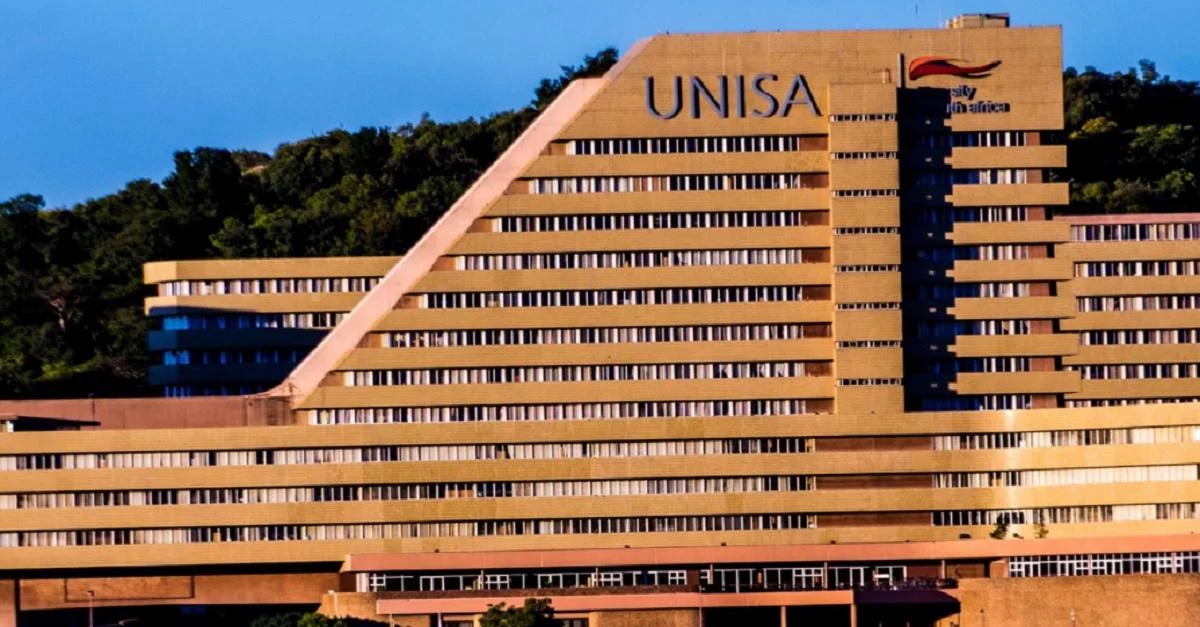
The University of South Africa (Unisa) has explicitly fired back at the National Student Financial Aid Scheme (NSFAS), denying that an internal “technical glitch” caused a disruptive delay in July allowance payments for over 93,000 distance-learning students.
While NSFAS publicly insists that it successfully transferred funds to the institution on July 2 and that the subsequent bottleneck was entirely Unisa’s fault, the university’s executive management claims the failure is deeply rooted in broader, systemic funding issues within the state bursary scheme.
He Said, She Said: The Two Versions of the Disconnect
The institutional finger-pointing has left tens of thousands of vulnerable students stranded without their monthly Personal Care Allowances. Here is how both sides are framing the clash:
- The NSFAS Argument: The bursary scheme claims it cleared its reconciliation hurdles and dropped the capital into Unisa’s accounts on July 2. They state that Unisa suffered technical processing failures that weren’t resolved until July 6.
- The Unisa Refutation: Unisa’s Acting CFO, Liana Joubert, stated flatly that the institution faced zero technical issues. Unisa notes that you cannot expect an institution to push a button and instantly disburse millions to nearly 100,000 individuals when money is transferred late. Unisa confirms that 98.2% of eligible students have now been paid, with the remaining 2% delayed strictly due to bank verification errors or duplicate registrations.
The Deficit Crisis: Unisa Digs Into Internal Reserves
Beyond the immediate July dispute, Joubert pulled back the curtain on the massive structural financial strain the distance-learning giant is absorbing to protect its 177,000 NSFAS-funded students:
- The 2025 Financial Deficit: Unisa ran a R106 million deficit after paying out more student funds than it received from the state.
- The 2026 Material Crisis: In March 2026, Unisa received R733 million from NSFAS but voluntarily paid out R907 million to ensure students had learning materials on time—a brave move driving a projected R213 million deficit.
- The Policy Gap: Unisa distance-learning students receive an average annual allowance of just R9,000, compared to the R48,000 allocated to students at contact universities, putting a massive structural burden on the institution.
New Deputy Minister Steps Into the Crossfire
The explosive public row coincided directly with newly appointed Deputy Minister of Higher Education and Training Yusuf Cassim’s very first official oversight engagement.
Visiting Unisa’s Muckleneuk campus in Pretoria following a flood of grievances to his help desk, Cassim focused on mediation rather than assigning blame. However, he acknowledged the operational reality, noting that if funds are only transferred on July 2, institutions require a reasonable administrative window to process disbursements.