






The stereotype of the “cloistered academic” is officially a thing of the past. At the Wits University Faculty of Science Innovation Day, students and researchers proved that groundbreaking science doesn’t just belong in journals—it belongs in the marketplace.
In partnership with the Wits Innovation Centre (WIC) and Wits Commercial Enterprise, the faculty showcased five high-impact projects ready to disrupt global industries:
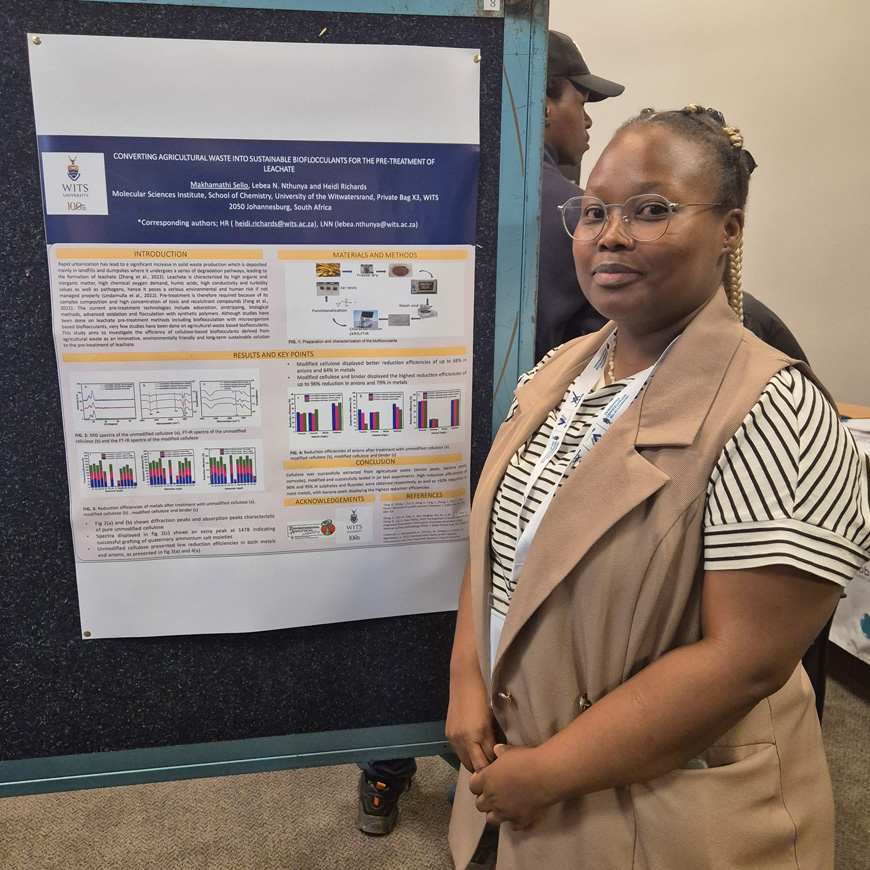
1. Green Chemistry: Turning Waste into Water Solutions
Landfills produce leachate, a toxic “trash juice” that threatens ecosystems. Makhamati Sello and her team are flipping the script by using agricultural waste—like banana and lemon peels—to create a low-cost, eco-friendly treatment system. It’s a circular economy win that turns bio-waste into an environmental shield.
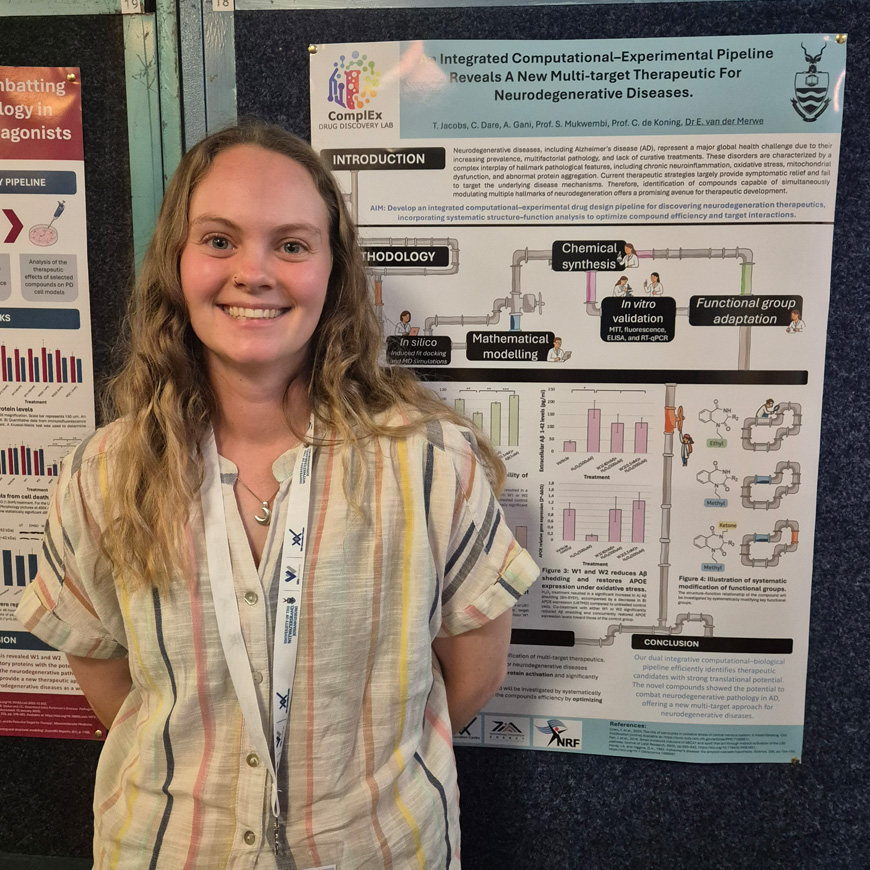
2. Accelerated Drug Discovery for Alzheimer’s
The ComplEX Drug Discovery Lab is tackling neurodegenerative diseases by streamlining the pipeline. By using advanced modeling to identify candidate compounds before hitting the lab, Cheyann Dare and her team are significantly reducing the time and cost of pharmaceutical development.
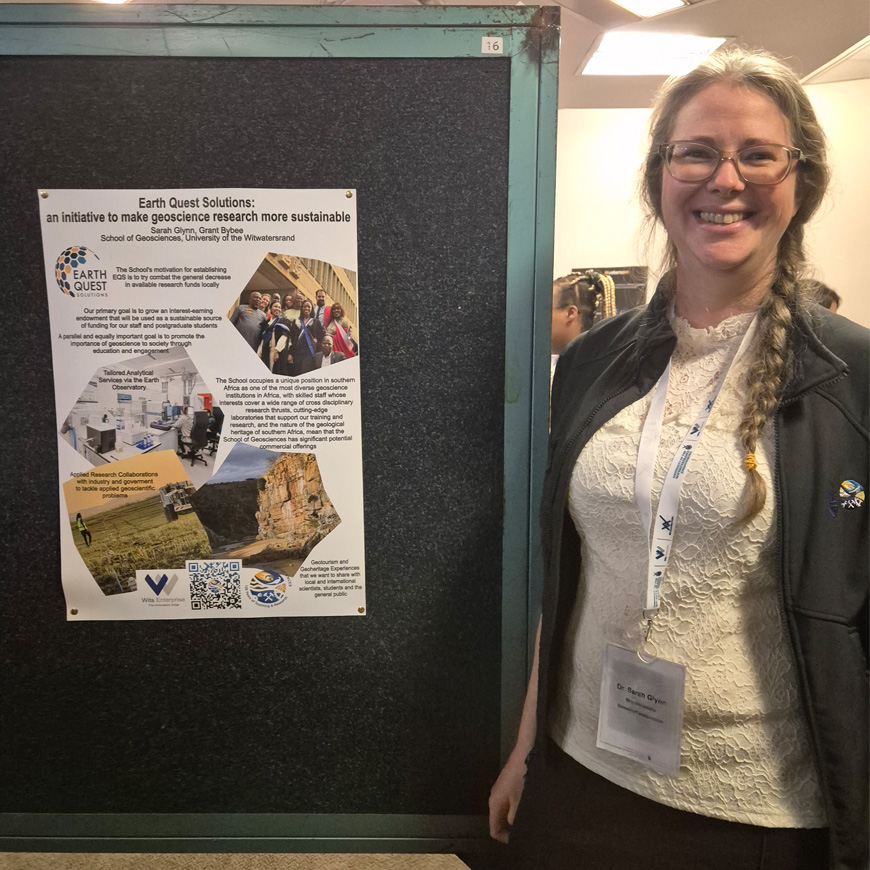
3. Earth Quest: Geosciences Get Business Savvy
How do you fund high-level geoscience when budgets are tight? You start a company. Earth Quest Solutions, led by Dr. Sarah Glynn, leverages the school’s facilities and expertise for geotourism and commercial consulting. The profits create a self-sustaining endowment for future research.
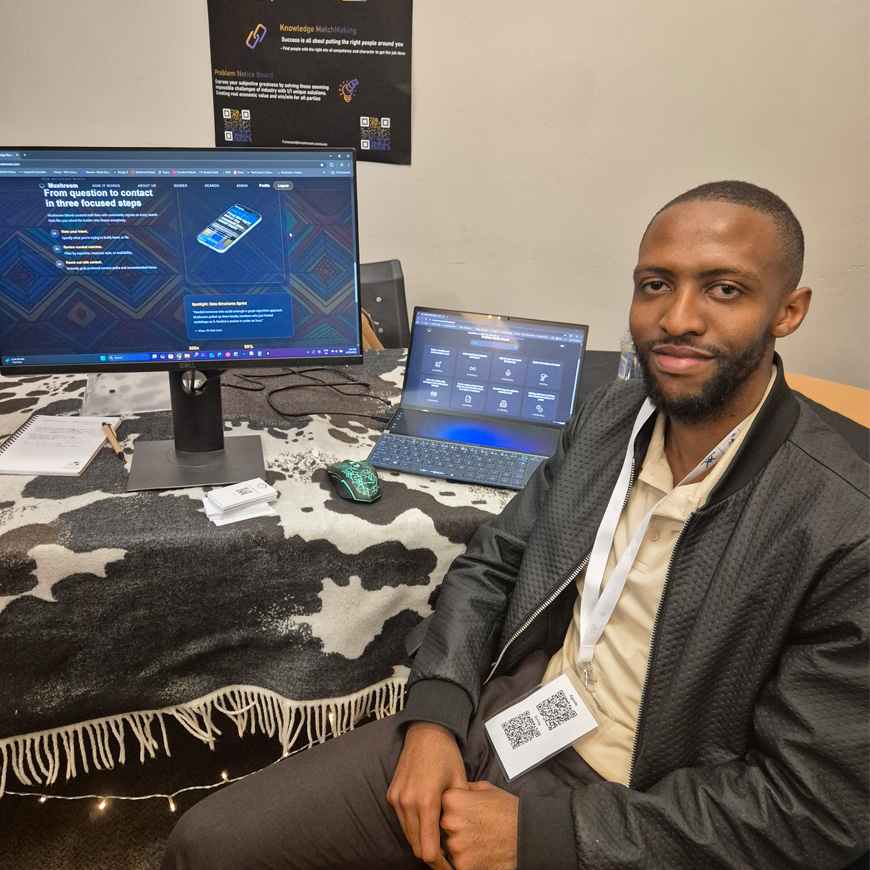
4. Mushroom X: The “Matchmaker” for Academia and Industry
Funanani Mavhunga noticed a gap: researchers have the answers, but industry doesn’t always know where to look. Mushroom X is a digital knowledge discovery engine that connects market needs with academic expertise, ensuring that innovation doesn’t gather dust on a library shelf.
5. Kagome Lattice: The Future of Quantum Energy
Lethabo Makgato is pushing the boundaries of material physics with Kagome lattice structures. These materials have the extraordinary ability to convert waste heat into electricity. This isn’t just theory; it’s the foundation for the next generation of quantum sensors and hyper-efficient green tech.
“Innovation must become part of our institutional DNA. We are showing that innovation can thrive alongside research and teaching—not in place of them.” — Professor Nithaya Chetty, Dean of Science