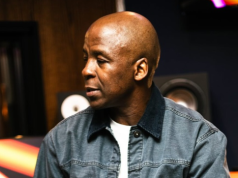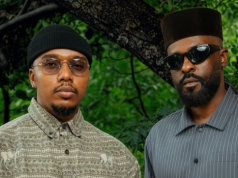









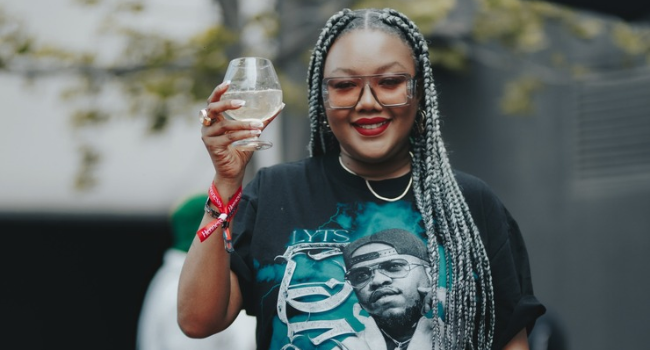
Lerato Sengadi has paid an emotional tribute to her late husband, South African hip-hop pioneer Jabulani “Jabba” Tsambo, popularly known as HHP, highlighting his contribution to making the genre commercially successful and culturally influential.
In a heartfelt social media post marking the anniversary of his passing, Sengadi reflected on the milestones that established HHP as one of the most influential artists in South African hip-hop. She celebrated not only his lyrical talent but also his role in opening doors for vernacular rap and helping local artists reach wider audiences.
“Motho didn’t only make Tswana fashionable… He made hip hop commercially viable. He did many firsts. He is the foundation for a lot that hip hop enjoys today,” Sengadi wrote.
Her message serves as a reminder of HHP’s influence on the development of Motswako and the wider South African music industry.
HHP Helped Make Motswako a Mainstream Force
Long before vernacular rap became widely recognised in the commercial music industry, HHP helped demonstrate that artists could embrace their languages and cultural identities while reaching audiences beyond their immediate communities.
Through Motswako, he combined Setswana expression with hip-hop influences, helping establish a sound that was distinctly South African yet accessible to a broader audience.
HHP’s success challenged the idea that rappers needed to abandon their local identities to achieve mainstream recognition. His career helped create opportunities for future generations of artists to tell their stories in their own languages and on their own terms.
Sengadi described him as a lyricist, culture shifter, benchmark and blueprint, emphasising the breadth of his contribution to the genre.
Beyond Music: HHP’s Influence on Mainstream Entertainment
HHP’s achievements extended beyond his music catalogue. He also ventured into television, secured major brand partnerships and collaborated with artists across different backgrounds, demonstrating the commercial possibilities of a career in South African hip-hop.
His work with international and local creative communities reflected his interest in collaboration and African unity. Among the initiatives associated with his pan-African outlook was the Daraja Walk from South Africa to Kenya, which reflected his commitment to bringing people across the continent closer together.
These achievements helped position Jabba as more than a rapper. He became a cultural figure whose work connected music, entertainment, business and broader African identity.
Lerato Sengadi Promises to Protect Jabba’s Legacy
While Sengadi’s tribute celebrated HHP’s professional achievements, it also revealed the personal significance of keeping his memory alive.
“Jabba may have transitioned on this day in 2018 but I know He’s watching proudly, seeing the fruits of his labour and sacrifice flourish,” she wrote.
She added: “Motho, I’ma make sure your legacy lives. 143.”
The message expressed her continued love for Jabba and her determination to ensure that his contribution to South African hip-hop remains recognised.
The tribute also featured Zakwe’s SAMA-winning “Sebentin” remix, which brought together HHP, Kwesta, Cassper Nyovest, Blaklez, Pro and Musiholiq. The collaboration highlighted the respected artists who shared creative space with Jabba during his career.
Eight Years Later, HHP’s Influence Remains
HHP died on 24 October 2018 at the age of 38, leaving behind a musical legacy that continues to influence conversations about South African hip-hop.
From his early days with Verbal Assassins to his achievements as a solo artist, he helped shape the identity of Motswako and demonstrated the potential of locally rooted music in the mainstream market.
Sengadi’s tribute reinforces why HHP remains an important name in the genre’s history. His music, cultural influence and willingness to challenge expectations helped lay foundations on which other artists could build.
Eight years after his passing, Jabba’s contribution remains part of South African hip-hop’s story. For Sengadi, ensuring that his name and achievements continue to be celebrated is both a personal commitment and a tribute to a pioneer whose impact reached far beyond the microphone.