









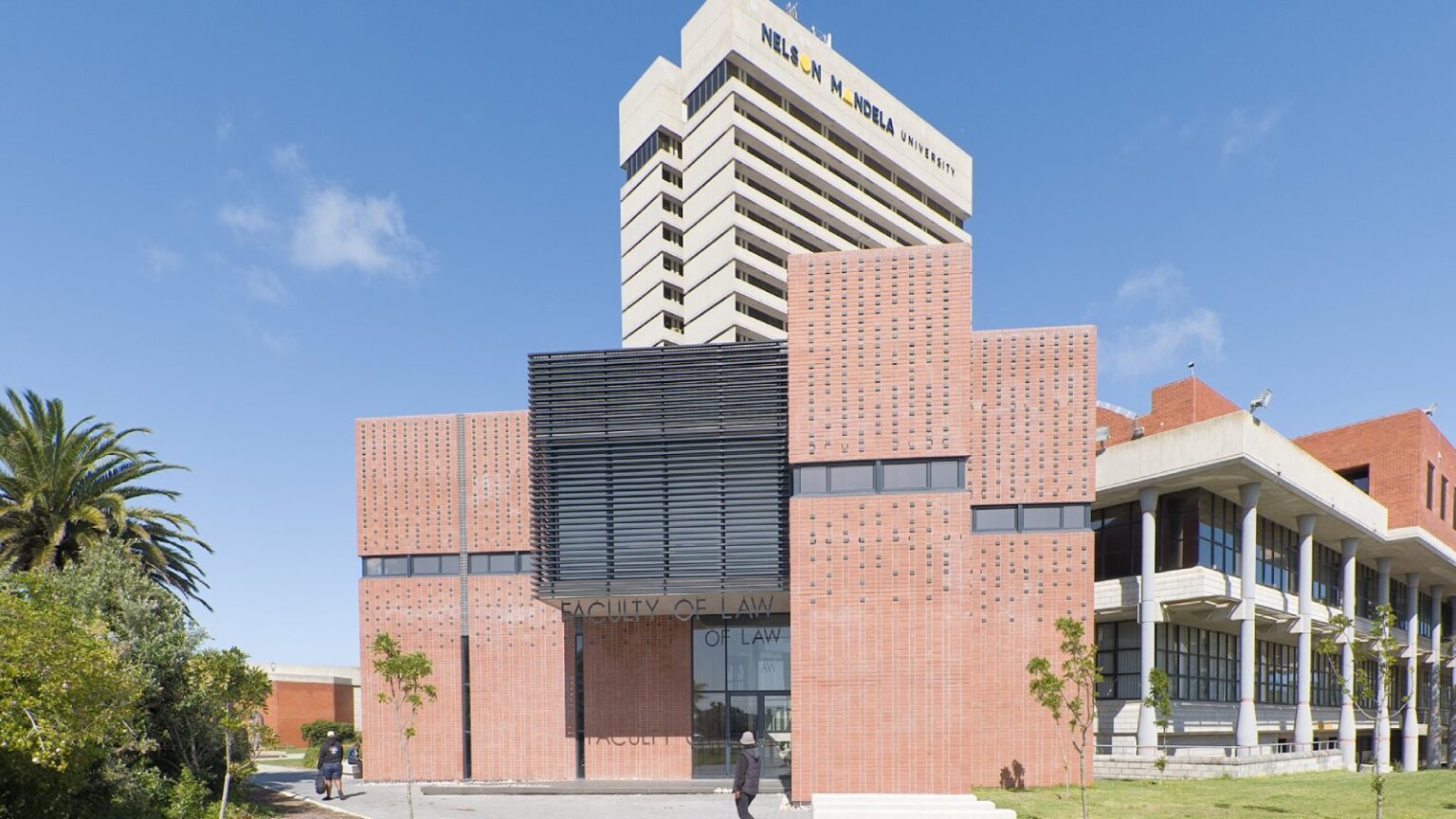
Nelson Mandela University is taking another major step towards cleaner and more reliable electricity, with an ambitious renewable-energy programme set to supply around 80% of the institution’s power from renewable sources.
The Eastern Cape university is rolling out a 4.4MW solar photovoltaic (PV) system across its seven campuses, with approximately 8,500 solar panels expected to begin contributing to the institution’s electricity needs by May 2027.
The project forms part of a broader strategy to reduce the university’s dependence on Eskom while cutting electricity costs and lowering its carbon footprint.
Solar to Supply Up to 30% of University’s Power
The new solar installation will provide an estimated 25% to 30% of Nelson Mandela University’s electricity requirements once fully operational.
A further 50% to 55% of the university’s electricity will come from renewable sources supplied through a new 10-year agreement with Etana Energy, a licensed electricity trader.
Together, those sources are expected to push renewable electricity to approximately 80% of the university’s total consumption.
The remaining electricity requirement will continue to come from Eskom.
Nelson Mandela University sustainability engineer Andre Hefer said the institution would also strengthen its generator infrastructure to provide centralised backup electricity during power outages.
Millions in Potential Savings
The renewable-energy transition is not only about reducing emissions. It could also have a significant impact on the university’s electricity bill.
Nelson Mandela University currently spends around R60 million a year on Eskom-supplied electricity. Once the new renewable-energy system is fully implemented, the institution expects to save between R8 million and R10 million annually.
That would make the project an important financial investment as well as an environmental one.
For a large university operating multiple campuses, reducing exposure to rising electricity costs could provide greater certainty when planning future budgets and infrastructure investments.
12,000 Tonnes of Carbon Emissions Targeted
The university estimates that its renewable-energy programme could reduce carbon emissions by approximately 12,000 tonnes every year, based on its current electricity consumption.
The new solar platform builds on an earlier investment in renewable energy. A 1MW solar plant at the university’s Summerstrand South Campus has been operating since 2019.
The latest project significantly expands that renewable-energy footprint across the institution.
Renewable Electricity Through the Grid
The partnership with Etana Energy means the university will not rely solely on electricity generated by panels installed directly on its campuses.
Under the arrangement, renewable electricity will be wheeled through the national Eskom grid to serve Nelson Mandela Bay.
This approach allows the university to access renewable generation from the wider electricity network while continuing to use the existing grid infrastructure.
Etana CEO Evan Rice said the agreement demonstrated that large electricity consumers outside traditional heavy industries could also help support the growth of renewable energy projects in South Africa.
Universities Are Joining the Energy Transition
Nelson Mandela University is not alone among South African universities in pursuing alternative electricity arrangements.
The University of Cape Town (UCT) has also announced a long-term renewable electricity agreement, with renewable power expected to cover a significant portion of electricity consumption at its main and health sciences campuses.
UCT’s arrangement is expected to provide between 70% and 90% of the electricity consumed at those campuses through renewable sources, with supply scheduled to begin in 2027.
Unlike Nelson Mandela University, which has significant solar infrastructure planned across its campuses, UCT has noted that limited rooftop space means much of its renewable electricity will come from external solar and wind projects through wheeling arrangements.
A New Model for University Energy Security
Nelson Mandela University’s project highlights how large public institutions are increasingly looking beyond traditional electricity supply models.
By combining on-site solar generation, renewable electricity purchased through the grid and backup generation capacity, the university aims to build a more resilient energy system while reducing its exposure to Eskom.
If the project meets its targets, the university could simultaneously lower operating costs, reduce emissions and increase the share of renewable energy powering its campuses.
The bigger shift is therefore not simply about moving away from Eskom. It is about giving universities greater control over where their electricity comes from, how much it costs and the environmental impact associated with supplying it.