








University sport in Africa could play a much bigger role in shaping student wellbeing, academic success and institutional development, according to FISU Secretary General and CEO Matthias Remund.
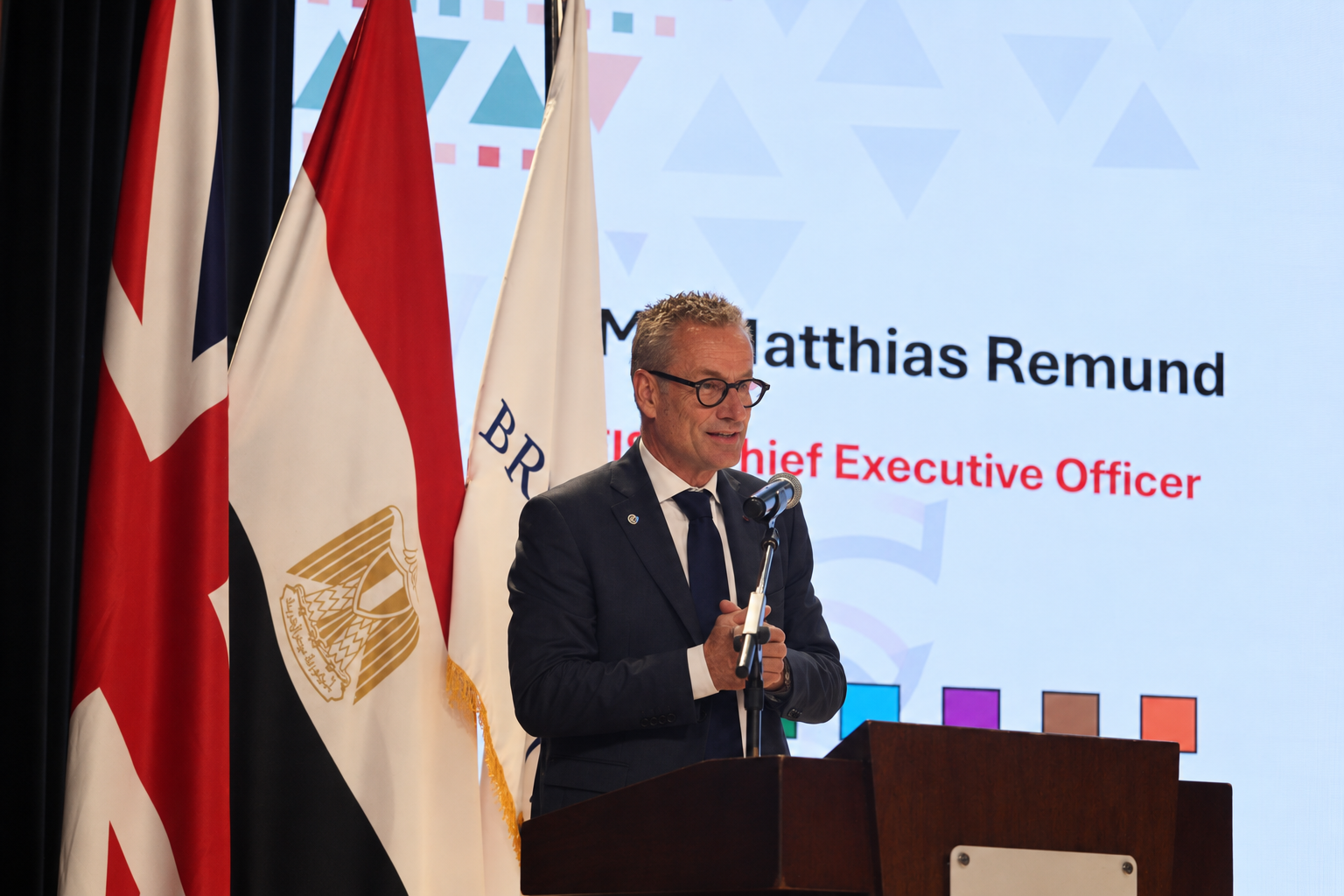
Speaking at the FASU Vice-Chancellors’ Forum at the British University in Cairo ahead of the 12th All Africa University Games, Remund challenged university leaders to look beyond medals and competitions and consider sport as an important part of institutional strategy.
The forum, held under the theme “University Sport as a Catalyst for Institutional Excellence and African Development,” brought together representatives from FISU, FASU and other university sport stakeholders to discuss the future of sport in African higher education.
Moving Beyond Medals
In his keynote address, titled “Sport as a Strategic Asset: Why It Matters to the Modern University?”, Remund argued that universities should rethink how they define the value of sport.
Rather than focusing primarily on elite athletes and competitive results, he encouraged institutions to place greater emphasis on participation, health and student wellbeing.
He pointed to FISU’s Healthy Campus Programme as an example of how sport and physical activity can be incorporated into broader university management strategies.
The approach effectively moves sport from being viewed as an extracurricular activity to becoming part of a university’s overall quality and student-development agenda.
Africa’s University Sport Potential
Remund also highlighted what he described as Africa’s enormous potential in university sport, linking that opportunity to the continent’s demographic growth.
His argument was that the future of global university sport could increasingly be shaped by Africa’s expanding young population and university communities.
That potential, however, will require universities to invest strategically rather than relying solely on traditional sporting structures.
For Remund, the key question is not simply how many medals African universities can win, but how sport can contribute to healthier, more successful and better-connected student populations.
The Data Universities Need to Start Collecting
One of the strongest messages from the forum was the need for African universities to produce more locally relevant data about the impact of sport.
Remund called on institutions to consistently measure several indicators, including weekly participation in organised sport, women’s participation, involvement of students with disabilities and graduation rates among student-athletes.
He also highlighted the importance of tracking the number of full-time sports positions and the amount of usable sporting space available relative to student populations.
The aim would be to collect comparable information across universities over several years.
Such data could help institutions demonstrate the value of investment in sport to governments, development partners and potential sponsors.
Turning Research Into Evidence
Remund argued that research on the relationship between sport and academic achievement already exists internationally, but African universities need more evidence reflecting their own students and institutional environments.
Building a substantial African dataset could help universities move conversations about sport from assumptions and anecdotes towards measurable outcomes.
The proposed approach would give institutions stronger evidence when making the case for investment in sporting infrastructure, programmes and personnel.
Collaboration Could Be the Next Big Step
The FISU Secretary General also stressed that collecting data should only be the beginning.
African universities and national university sports federations could benefit from closer cooperation on sports development strategies, standards, expertise and information-sharing.
Rather than institutions working independently, stronger networks could create opportunities to share successful programmes and approaches while developing common benchmarks for university sport.
This could also help expand opportunities for students across different countries and institutions.
Sport as Part of Institutional Development
The broader message from the Cairo forum was that university sport has the potential to contribute to much more than athletic achievement.
Well-designed sporting programmes can support physical and mental wellbeing, social connections, leadership development and student engagement, while competitive sport can provide opportunities for talented athletes to pursue education alongside their sporting careers.
For African universities, the challenge is now to turn that potential into practical strategies backed by evidence and long-term investment.
The FASU Vice-Chancellors’ Forum therefore served as more than a discussion about sport. It presented a challenge to university leaders to consider where athletics, physical activity and student wellbeing fit within their wider institutional plans.
If that shift takes place, university sport could become an increasingly important part of Africa’s higher-education development story.