






A major new higher-education development in Pretoria is steadily taking shape, with the new Akademia campus moving closer to its planned opening in 2028.
Developed through a partnership involving Solidarity and Kanton, the large-scale project is designed to create a purpose-built university environment for thousands of students, with construction now progressing across the site.
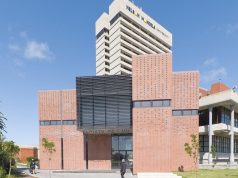
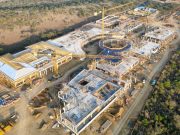
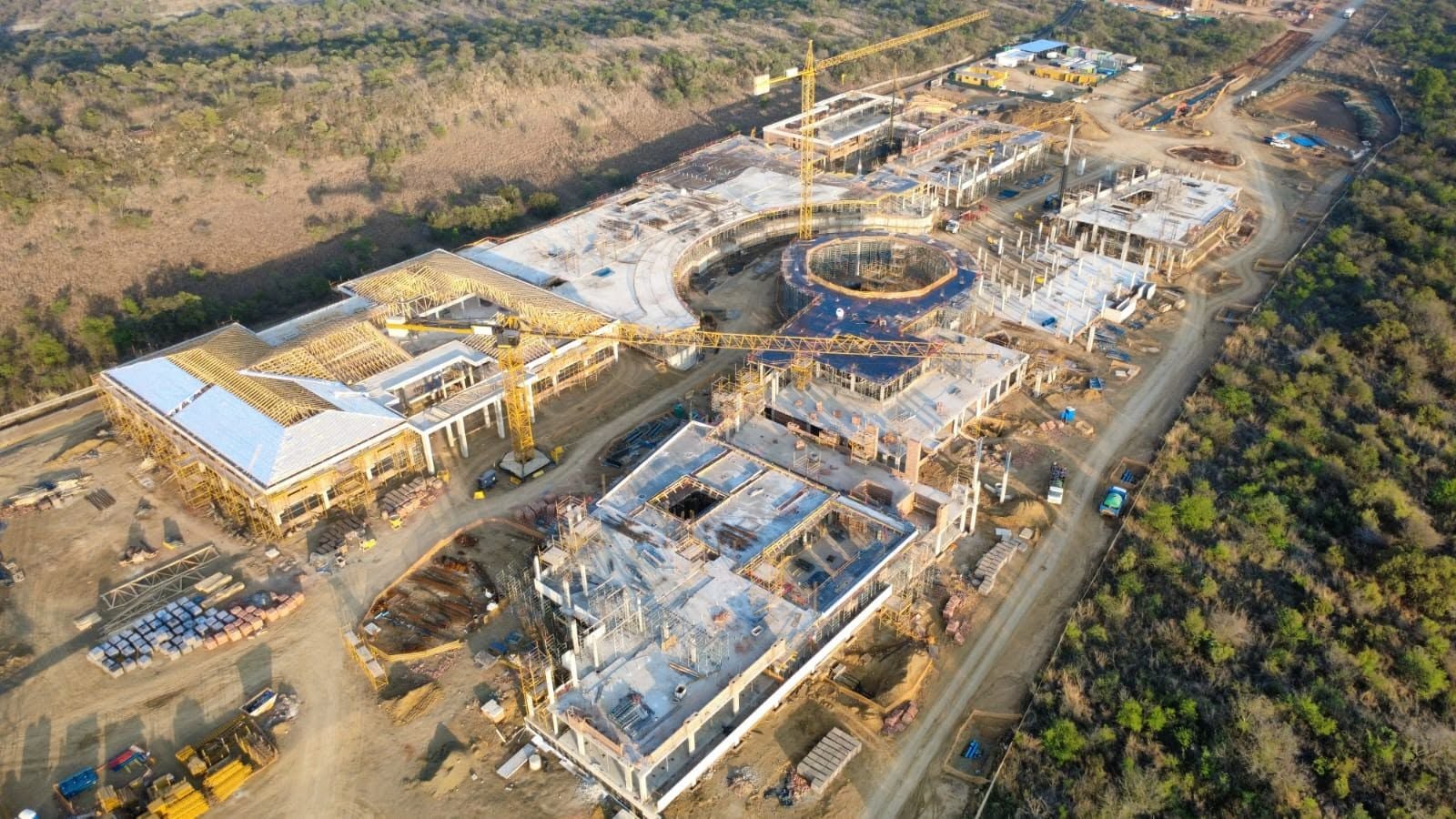
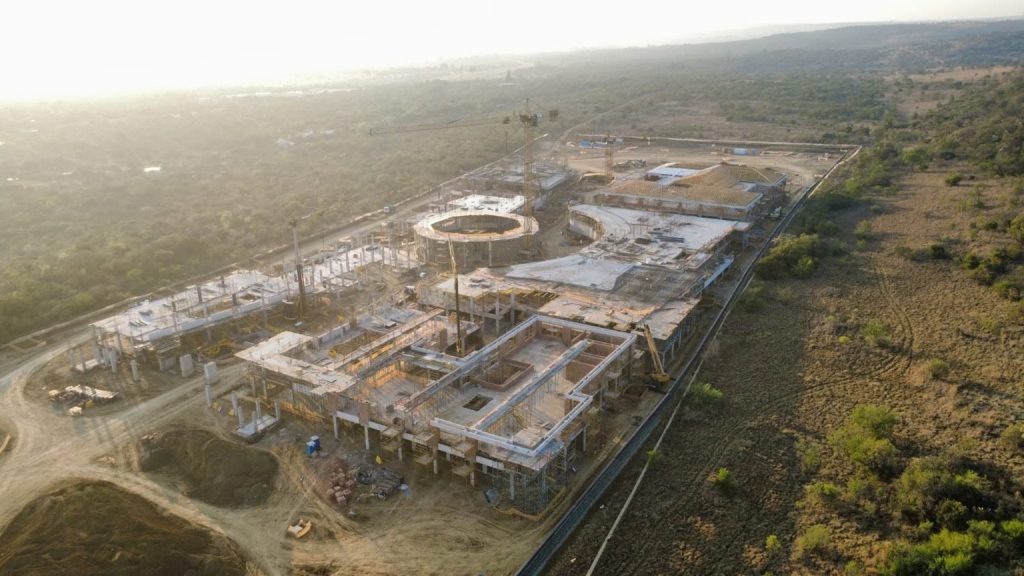
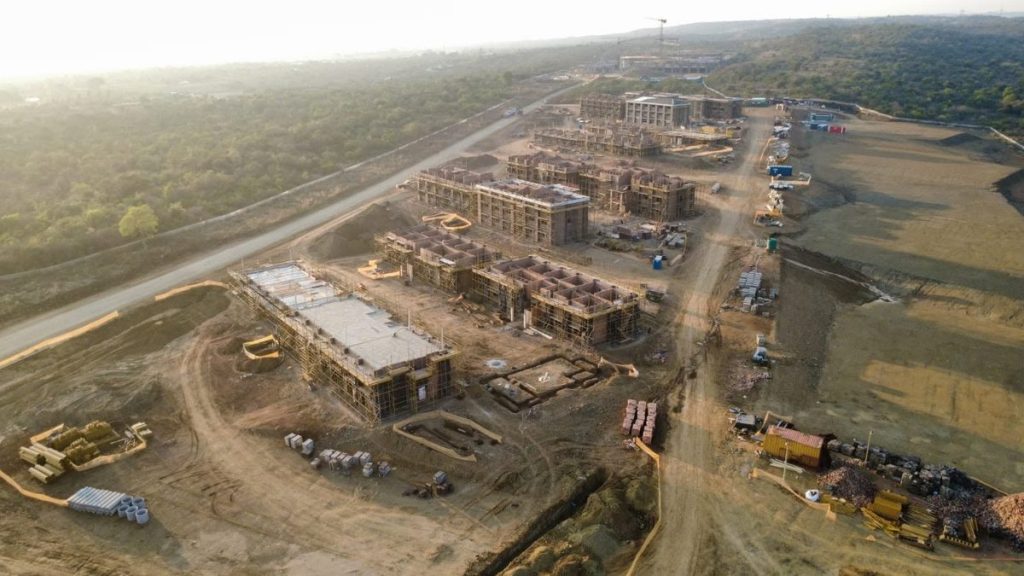
Recent images released by Kanton provide a glimpse of the scale of the development, showing multiple buildings and construction areas taking shape across the future campus.
Campus Designed for Thousands of Students
The new Akademia campus is being developed with capacity for approximately 5,000 full-time undergraduate students and 1,500 postgraduate students.
Student accommodation will form a major part of the development, with four men’s residences and four women’s residences planned to provide space for around 1,500 students on campus.
The vision extends well beyond lecture halls and classrooms.
Plans include office buildings, laboratories, lecture facilities, an auditorium and dedicated research spaces, alongside a cafeteria, restaurants and coffee shops.
A student centre and library will also form part of the campus environment, while staff accommodation is planned to support the university community.
Sports and Agriculture Also Part of the Plan
The development is also expected to feature extensive sports facilities, adding another dimension to the planned campus.
An experimental farm is planned for the Faculty of Natural Sciences and Agriculture, creating space for practical learning and research in addition to conventional academic facilities.
The combination of academic, residential, recreational and research infrastructure is intended to create what developers describe as a campus village rather than simply a collection of university buildings.
A Project Years in the Making
The road to construction has been a lengthy one.
According to Kanton managing director Henk Schalekamp, the organisation began searching for suitable land years before the eventual site was secured.
A purchase agreement for the land was signed in August 2019. However, securing the necessary development rights and environmental approvals took several years.
The project officially moved into its current development phase in August 2024.
Earthworks began in June 2025 after sufficient funding had been secured to launch the initial phase.
Approximately 360,000 cubic metres of earth were moved as part of preparing the site.
Construction itself began on 12 January 2026.
Targeting a 2027 Handover
Kanton is targeting October 2027 for completion and handover of the campus to Akademia.
If that schedule is achieved, Akademia is expected to move into the new facilities ahead of a planned campus opening in 2028.
The project involves a large network of contractors, with Kanton having appointed around 35 subcontracting companies to handle different areas of the development.
Construction is also taking place alongside ongoing design work, reflecting the complexity and scale of the campus.
More Than Just a University Building
The project is being positioned as a long-term investment in Afrikaans higher education.
Schalekamp described the development as a contribution intended to serve the Afrikaans community for generations, highlighting the broader cultural and educational ambitions associated with the campus.
At the same time, the scale of the planned facilities indicates an attempt to create a comprehensive university environment capable of accommodating academic programmes, research, student housing, sport and social activities in one location.
A New Chapter for Akademia
If the current construction schedule remains on track, the Pretoria campus could become a significant addition to South Africa’s private higher-education landscape when it opens in 2028.
With thousands of students planned, extensive accommodation and a wide range of academic and supporting facilities, the development represents a substantial expansion of Akademia’s physical footprint.
For now, construction remains the main focus, but the latest images offer an increasingly clear picture of what the future campus could look like once the cranes leave and students arrive.